As mentioned, with the rest of the family, I can not find any birth or baptism records for Thomas Barrand around 1755 but, what is known is that Thomas was educated at St. Anne’s Charity School, Soho, Westminster, London which was located in Rose Street. This was an ancient protestant parochial charity school and was situated in the fist house on the left, about 4 houses from Crown Street. The exact date of Thomas’ admission is not known but is likely to have been around 1765-6 and within 2 years of the time of his father, John Barraud’s death in 1763. The school provided a strong element of religious teaching as well as reading, writing and arithmetic. The boys wore clothing supplied by the school (including a cap, band, coat, gloves, shoes and stockings) as well as a badge with the letters 'St A. Westminster' and a number. In the Rose Street School, there were both boys and girls, wearing the charity clothing then in use. The girls had a brown dress, with white apron and tippet, and a close fitting straw bonnet, with white frilling round the face. The boys had dark grey coats and waistcoats, black caps with green strings, and "stout leather breeches." The parents of the boys at the school were expected to supply the rest of their clothing. The subjects taught at St Anne’s :- “reading, writing and the grounds of arithmetic" formed the course of instruction. History and Geography were not taught. When a boy reached the age of 14 the trustees apprenticed him to some trade and paid a premium for him. The masters were vetted to ensure that the good teaching instilled in the boys would not be undone. On apprenticeship each boy was presented with a bible, and a book of common prayer, which “made him a whole duty of man”. At the end of his apprenticeship if he had demonstrated a good character he received a gratuity.
Thomas, at the end of his schooling days around 1770, was apprenticed to Anthony Cook who owned a large joinery and building company and the main occupation of Thomas was as a carpenter rather than a bricklayer. Thomas married Susannah Cook (Susan Cook) who was Anthony Cook’s daughter on the 22nd June, 1781 in St. James, Westminster. It is also known that Robert Routeledge worked for Anthony Cook's business as a carpenter and it is to Robert's daughter, Nancy Ann Routeledge that Thomas's son, John Barrand married in 1813.
From Thomas’s death record in 1810 which shows his age as 55, we can make a good guess he was born around 1754/5 and was therefore aged 28 when he married Susannah Cook. Although there are no records of the birth or baptism of Thomas Barrand, there are records of the baptism of Susan Cook however, and these show she was born on the 12th January, 1752 in St. Anne’s Soho, and baptised on the 2nd February, 1752, the daughter of Anthony Cooke and Jane Abdy who were themselves married on the 3rd September, 1738 in St. Martin in the Fields, London. Anthony Cook(e) and Jane Abdy had 8 children, 4 sons and 4 daughters: Sarah, (b 1739): James Cook(e) (b 1740) (who is mentioned as a foreman and proprietor in the family business and it seems never married and died in 1816): Mary (b 1742): Elizabeth (b 1743): Robert (b 1746): Samuel (b 1749 and who probably married Mary Turner in 1779): Susanna (b 1752), and Thomas (b 1756 who possibly married Catherine Grimes in 1777) and all were baptised in St. Ann's Church, Soho.
Jane Abdy (Susannah’s mother) was born in 1712, the youngest daughter of James Abdy and Susanna Slater who were married in St. Giles, London on the 8th May, 1705. James Abdy was also a carpenter and it seems certain that the profession of woodworking in the generations goes back for many, many years. James Abdy and Susanna also had another daughter, Susanna (b 1717).
Anthony Cook(e) was born in 1709 in St. Annes, Soho, the son of George Cook and Eliza Burleygh (sic). They also had 2 other children, 2 sons George (b January 1702) - born before their marriage, and a male (unnamed b 1707).
Anthony Cook(e) shows on the Land Tax records of 1767 living in Old Street, St. Lukes, Islington. This was at the northern end of Goswell Street, and just a hundred metres or so from Aldersgate Buildings which was at the lower end of Goswell Street and where it is presumed that Thomas Barrand lived in 1793 as William, their son is recorded as being a choirist at this address at the age of 11. Again, there are records of John Barraud (possibly Thomas’s brother) living in Colebrook Row, just a hundred yards from Thomas Barrand’s home. Anthony Cook was an employer of several different tradesmen, and it would seem that Thomas Barrand was exceptionally good at his job and he joined the management of the Company and enjoyed the good life style that it brought. Carpenters like Thomas, and builders like Anthony Cooke understood the basics of a house much more than plasterers, plumbers and tilers and were considered high-rank. Anthony Cook(e) however, died in July 1781 of dropsy very shortly after Thomas’s marriage to Susan Cook, and was buried on the 1st August, 1781, leaving Thomas to run the business along with Anthony Cook's sons. The importance of the Cook family in the area is recognised in the name “Cook(e)” being given to several members of the Barrand children as their middle names.
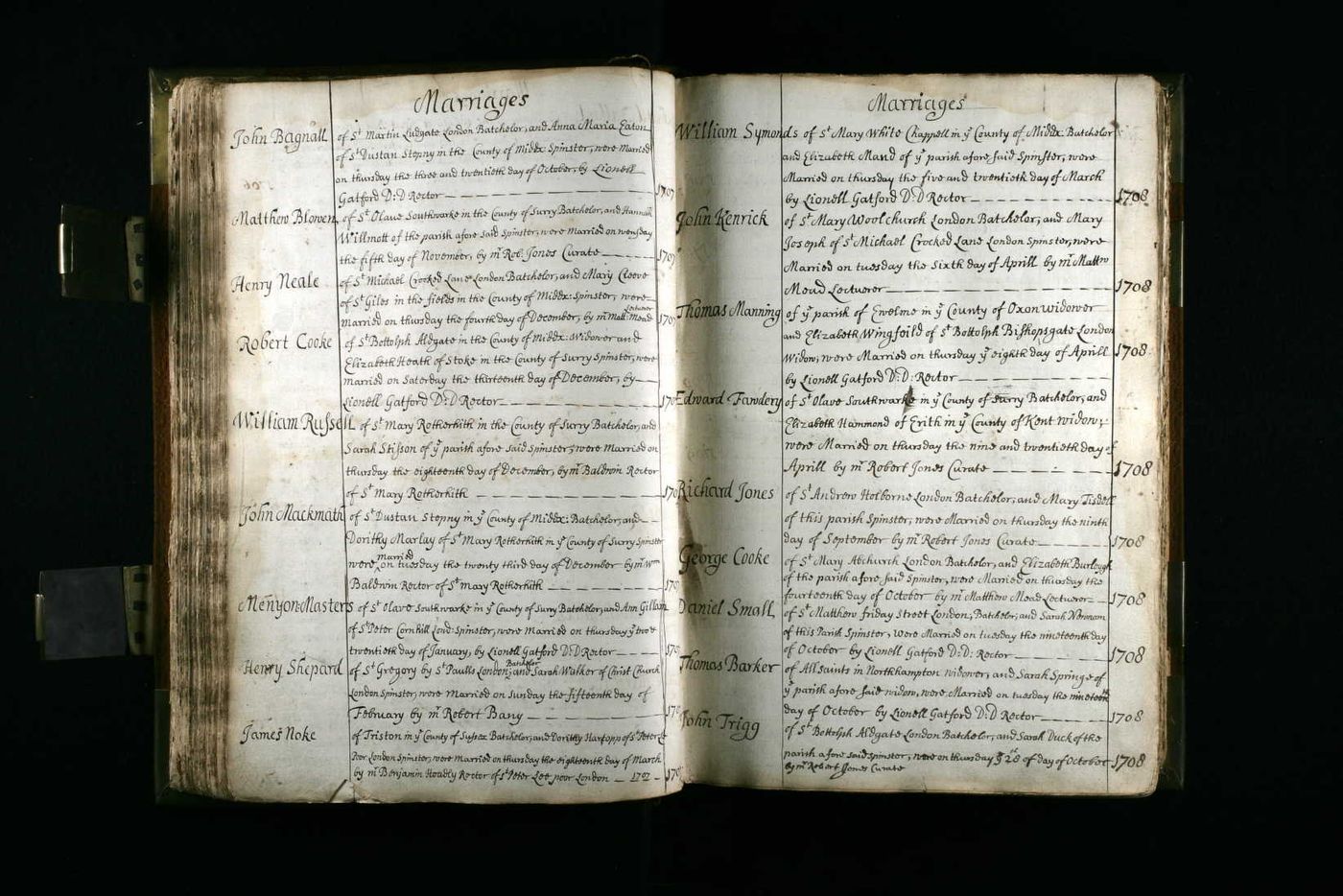
Marriage of George Cook + Elizabeth Burleygh
George Cooke mentioned in the record of George Cooke and Elizabeth Burleygh
| Name: | George Cooke |
| Spouse's Name: | Elizabeth HYPERLINK "https://familysearch.org/pal:/MM9.1.1/V52C-MHF"Burleygh |
| Event Date: | 14 Oct 1708 |
| Event Place: | Saint Dionis Backchurch,London,London,England |
Indexing Project (Batch) Number: M00140-1 , System Origin: England-ODM , GS Film number: 535722, 535723, 942 B4HA V. 3
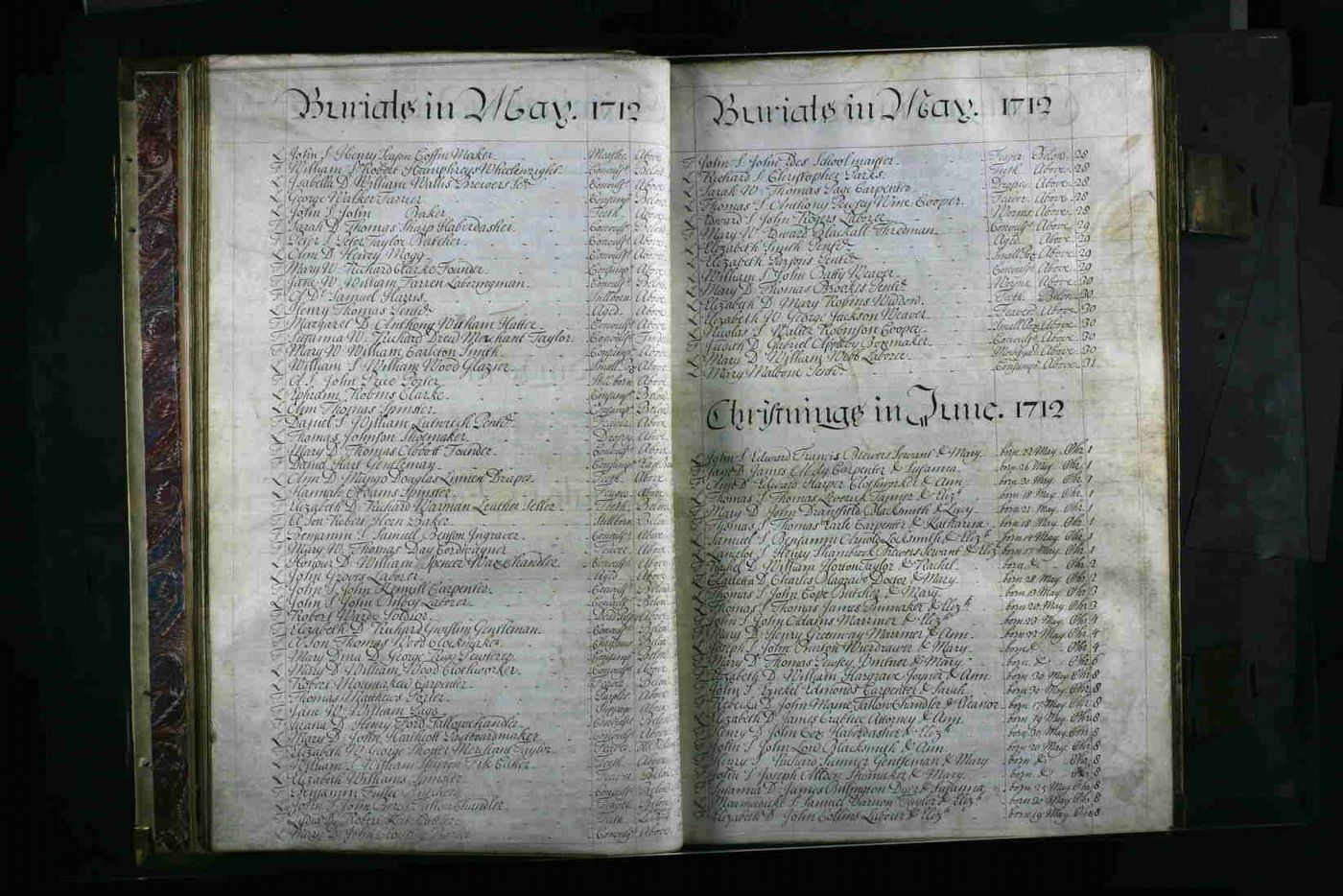
Christening of Jane Abdy in 1712 showing that her father, James Abdy was a carpenter.
| Name: | Jane Abdy |
| Baptism Date: | 1 Jun 1712 |
| Parish: | St Giles, Cripplegate |
| County: | London |
| Borough: | City of London |
| Parent(s): | James Abdy, Susanna Abdy |
| Record Type: | Christening |
| Register Type: | Parish Register |
| Sarah Cook | ||||
| England Christenings, 1538-1975 | 15 July 1739 | Birth 27 June 1739 | St. Anne, Soho | LONDON |
| father: Anthony Cook | mother: Jane | |||
| James Cooke | ||||
| England Christenings, 1538-1975 | 15 March 1740 | Birth 25 February 1740 | St. Anne, Soho | LONDON |
| father: Anthony Cooke | mother: Jane | |||
| Mary Cook | ||||
| England Christenings, 1538-1975 | 5 December 1742 | Birth 14 November 1742 | St. Anne, Soho | LONDON |
| father: Anthony Cook | mother: Jane | |||
| Elisabeth Cook | ||||
| England Christenings, 1538-1975 | 19 February 1743 | Birth 31 January 1743 | St. Anne, Soho | LONDON |
| father: Anthony Cooke | mother: Jane | |||
| Robert Cook | ||||
| England Christenings, 1538-1975 | 13 April 1746 | Birth 20 March 1745 | St. Anne, Soho | LONDON |
| father: Anthony Cooke | mother: Jane | |||
| Samuel Cook | ||||
| England Christenings, 1538-1975 | 15 January 1749 | Birth 26 December 1749 | St. Anne, Soho | LONDON |
| father: Anthony Cooke | mother: Jane | |||
| Susanna Cook | ||||
| England Christenings, 1538-1975 | 2 February 1752 | Birth 12 January 1752 | St. Anne, Soho | LONDON |
| father: Anthony Cooke | mother: Jane | |||
| Thomas Cooke | ||||
| England Christenings, 1538-1975 | 13 June 1756 | Birth 28 May 1756 | St. Anne, Soho | LONDON |
| father: Anthony Cooke | mother: Jane |
IGI Rrecord of the children of Anthony Cook(e) and Jane Abdy
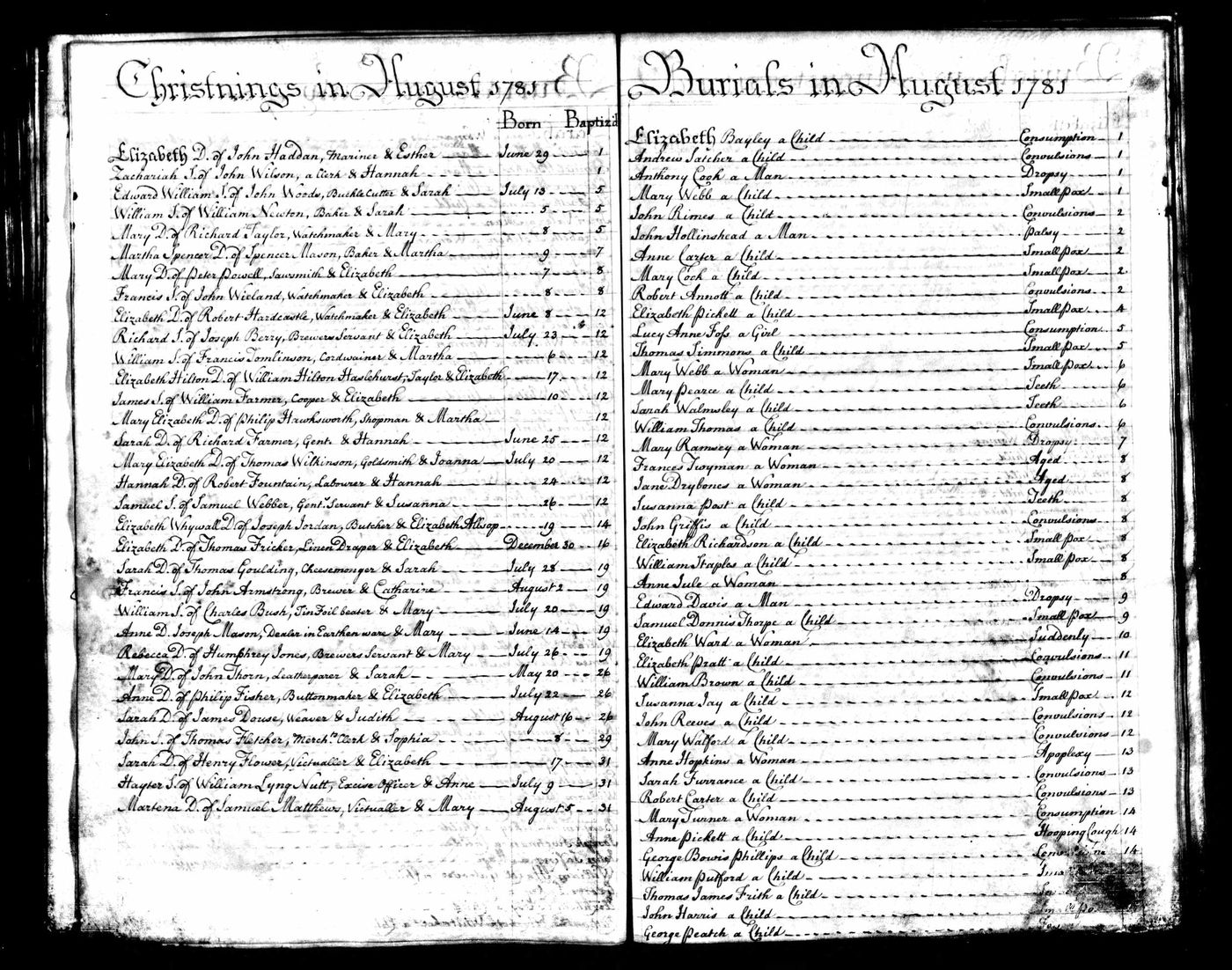
Burial of Anthony Cook St. Lukes – 1st August 1781 (age 72)
SUSANNA COOK Female
Birth: 12 JAN 1752
Christening: 02 FEB 1752 Saint Anne Soho, Westminster, London, England
Parents: Father: ANTHONY COOK
Mother: JANE ABDY
Batch No.: Dates: Source Call No.: Type: Printout Call No.: Type:
C062368 1743 - 1762 0918606 Film 6900173 Film
IGI Birth and Baptism Record of Susannah (Susan) Cook
The area of St. Luke’s
The rural state of the area was changed in 1761 with the construction of City Road which, for the first time, linked the City directly with Islington and beyond. This served to open up the area for development however, by the 1860s, the district of St Luke's itself became invisible. This may have been the result of a deliberate policy to ‘lose’ one of the poorest, most deprived areas of London. Like St Giles (another area that became invisible), much of the housing stock was dreadful, with overcrowded slums. In the 1850s St Lukes had 245 people per acre, more than St Giles (221), Clerkenwell (170), Westminster (71) or Islington (30). The local Medical Officer of Health described the houses as ‘typhus nests’. Both St Luke's and St Giles were ‘dealt with’ by wholesale redevelopment that left them almost unrecognizable, destroying their identities as it did both their architectural heritage and any sense of community.
Houses, or more often shacks were common place. Many of the poor crowded into deserted houses and a number of London’s inhabitants both lived and worked in cellars below ground level.
A great many London buildings were made with poor and sub-standard materials - crumbling bricks and knotty timber - and it was not unusual for them to collapse. Hanging signs projected out from shops on large iron bars and these signs, regularly blew in the wind, and would cause such force that the entire façade of a building would come crashing down. Often this happened on top of passers-by.
London was filled with the smell of thousands of wet horses and the waste materials associated with them. Sanitation was totally unheard of. Water was unpurified, and raw sewage ran down city streets in open drains. It was common practice for people to empty their chamber pots out of their windows in the mornings, and to leave garbage out in the street to rot. Nothing in London made a more detestable sight than the butchers' stalls, especially in the neighborhood of the Markets like Clare Market. The guts and other refuse are all thrown on the street and set up an unbearable stink.
Filth ran down London's cobblestone streets. Along with dirt, dust and animal manure, there was the contents of cesspools of human waste that collected in puddles everywhere. Dead animals (dogs, cats, rodents, and even horses) were left to decay in the streets. Occasionally human corpse would be found in the alleyways. To add to all this, horse-drawn carriages with heavy metal wheels splashed through puddles, throwing the street's muck over strolling pedestrians.
Wealthier Londoners could buy spring water from private companies, but most residents used the murky water of the Thames. Like many European rivers, the Thames was both the source of the city's drinking water and the means to dispose of the waste.
In fact, the water was so foul that in the first half of the century, a huge gin craze swept London. Gin was tasty, and cheap. Gin sellers set up on street corners and along highways, selling to any passer-by who expressed thirst. In London alone, there were 8,000 places where gin was openly sold.
Sanitation in the 1700s was simply unheard of. Private toilets, later known as "water closets," did not exist until late in the century, and even then, they only appeared in the wealthiest of homes. Most London residents used chamberpots, dumping them right outside their windows every morning. The raw sewage would accumulate and stagnate in cesspools until the night soil men came along to clear it all out.
In 18th-century London, water was delivered to the city's residents through hollowed-out tree trunks running beneath the streets and these underground pipes were poorly constructed, so water mains would regularly burst, creating sudden springs on city streets. These springs would carry and mix all of the city's dirt together so that pedestrians would have to clamber through it in order to get to their destination.
Fleet Street started as a marketplace on the covered-over Fleet River, which was known for years by its awful stench. London cemeteries contained communal graves, or "poors' holes," which were deep enough for seven tiers of coffins, holding three or four coffins in each tier. These pits were left open until they were completely filled with bodies, so the odour of putrefaction wafted about. Ministers often had to conduct their burial services from a comfortable distance. Churches were also sometimes afflicted by the smell of decaying corpses rising up from their crypts below.
In the 1780s well-off women wore petticoats of comblet, lined with dyed linen, stuffed with wool and horsehair and quilted...day by day till they were rotten. There was also a fear of fresh air, in part because of airborne diseases like "consumption," so windows were kept shut, and because entire buildings were taxed according to the number of windows they contained, many landlords sealed them off, with disastrous results for their tenants.
There was a seasonal pattern of death. In winter months, when thick clothes were worn day and night, respiratory tuberculosis, influenza and typhus raged. Dysentery and diarrhea came around in the summer, when flies transmitted bacteria from filth to food and water was at its most foul.
The cream of criminal society are the pickpockets, who are to be found everywhere - even in the best company - often clean and well-dressed, so that they may be mistaken for people of some standing. In fact, they may actually be so, for there are men who have fallen by the wayside and are reduced to this way of living. Highwaymen, who ride on horseback, and often, in their desire to relieve the victim of his purse put him in terror with an unloaded pistol. Tragic examples may be read almost daily in English newspapers of poor people met on the road who have been brutally murdered for a few shillings by footpads. London was a criminal's paradise. Outrageous murders, robberies and assaults of all kinds were commonplace. There was no organized law enforcement to speak of.
THOMAS BARRAND Male
Event(s):
Marriages:
Spouse: SUSAN COOK
Marriage: 22 JUN 1781 Saint James, Westminster, London, England
Source Information:
Batch No.: Dates: Source Call No.: Type: Printout Call No.: Type:
M147519 1775 - 1785 1042317 Film 6904123 Film
IGI Marriage record of Thomas Barrand and Susan Cook
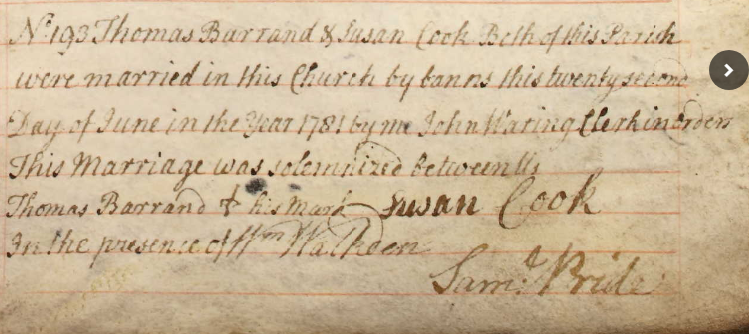
Marriage record of Thomas Barrand and Susan Cook
The fact that 3 of Thomas’s own sons became carpenters makes it even more likely that carpentry is the trade that Thomas was involved in. Certainly, with his education, Thomas Barrand could read and write well and that was quite rare in the time and shows he was an intelligent person. Thomas was witness to several marriages of his own children, his brothers and sisters and other members of the Barrand extended families. Thomas Barrand and Susannah Cook had at least 8 children that are known of. Although married in 1781, there are only two addresses that have been found in the central London area for Thomas Barrand and Susan Cook and these are Goswell Street in 1793 where it is mentioned their son, William, (aged 11) lived, and Duke Street, Westminster in 1796. Thomas and Susannah (nee Cook) moved from Westminster at some time around 1808, to Frances Street in Woolwich, and they both died in Woolwich. Thomas died in 1810, and Susannah died in 1822. Death records exist for both of them and they also give an indication of their age and date of birth.
Goswell Street seems to have become Goswell Road in the mid 1800's. If William (Thomas and Susan's son) was living at Goswell Street in 1793 at the age of just 11 years old, then presumeably that must be the address that his parents, Thomas Barrand and Susannah Cook lived in at that time, unless he was at a private boarding school, but certainly Aldersgate Buildings in Goswell Road are houses rather than a school.
A mention of Goswell Street - (Pickwick Papers: p72-73) “Goswell street was at his feet, Goswell street was at his right hand — as far as the eye could reach — Goswell street extended at his left: and the opposite side of Goswell street was over the way”
It is generally agreed that on the upper end of Goswell Street, the Bunhill Fields Cemetery existed and this was the site of the Great Plague pit, described (from hearsay) by Daniel Defoe in his novel published in 1722. The gross figures of 35,000 dead in the epidemic of 1625, or 69,000 in 1665, in the "great pit in Finsbury," mentioned by Defoe in his "Journal of the Plague in 1665," occupied ground that abuts on the upper end of Goswell Street explains the gravity of the epidemic.From: 'Moorfields and Finsbury', Old and New London: Volume 2 (1878), pp. 196-208.
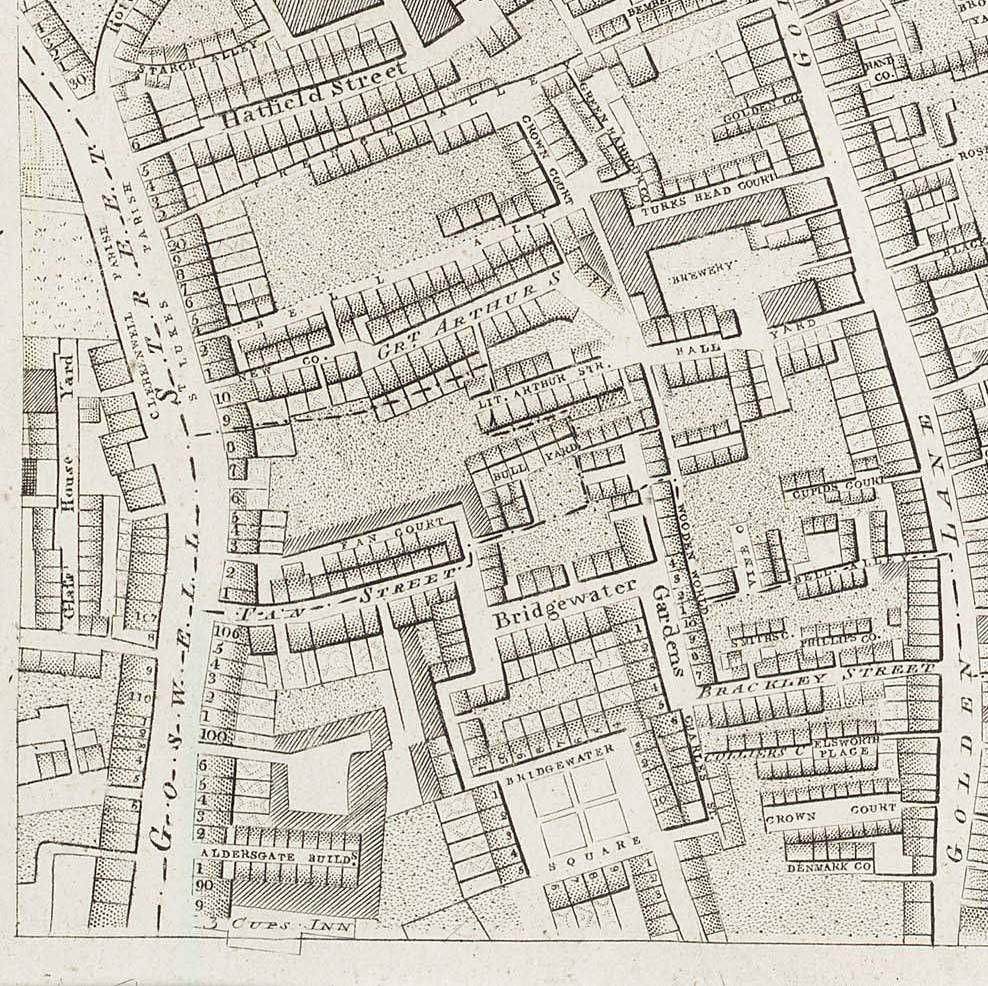
Goswell Street Aldersgate Buildings
Richard Horwoods Map 1790/92
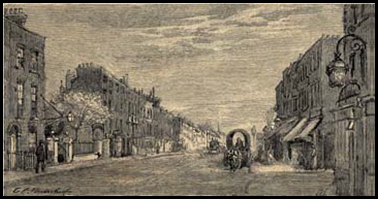
Goswell Street 1800
As there are several “Duke Streets” in London, one has to look further and the rates register in 1796 mentions Thomas Barrand in Duke Street. The register also mentions Bird Street, Grays Buildings on Gray Street, and also Somerset Street, and this then identifies in which Duke Street that Thomas Barrand lived. Although there are no actual house numbers mentioned on the rate records, Thomas Barrand’s name appears as the 12th resident before Somerset Street, and therefore working backwards from the Richard Horwood’s map of 1792-1799, his address was most probably about No: 12 Duke Street. Duke Street stretched from Manchester Square in the north, across Oxford Street and to Grosvenor Square to the south. Thomas Barrand would therefore have lived just north of Oxford Street. In 1796, Duke Street was an afluent area, and Thomas would have lived amongst some of the wealthiest people in London. Certainly, the other Barrauds, his uncles and aunts were amongst his neighbours and it is quite possible he had regular contact, or at least kept in touch with this part of the family.
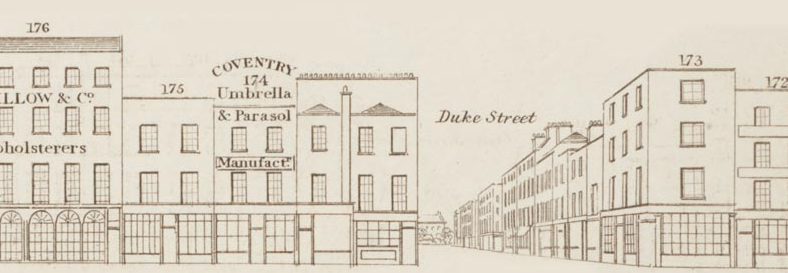
Tallis drawing of Duke Street North from Oxford Street
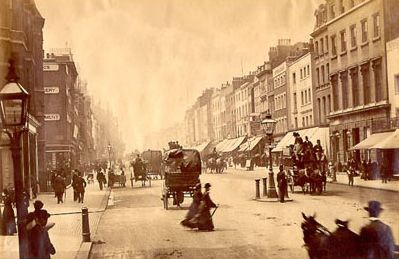
Oxford Street looking west from Duke Street
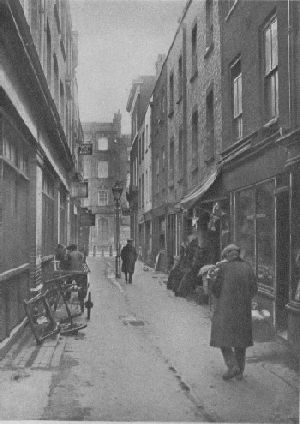
St. Anne’s Court Soho - Rose St. School is here
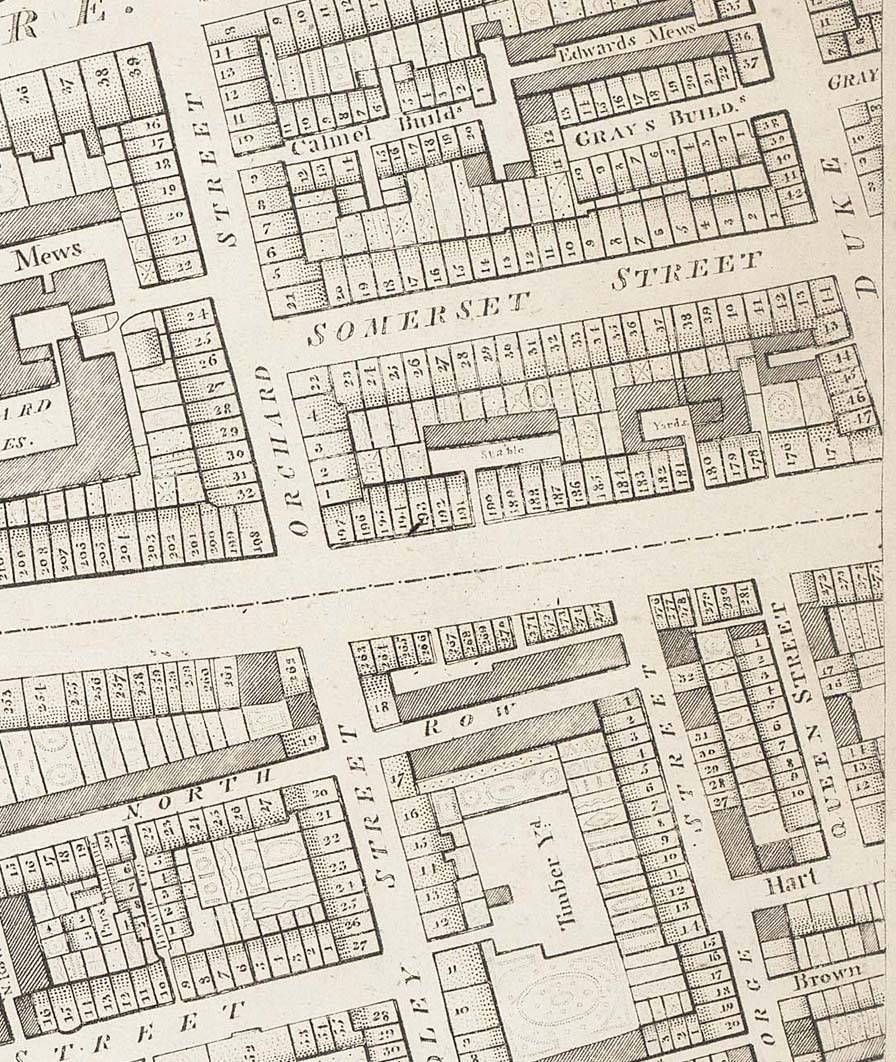
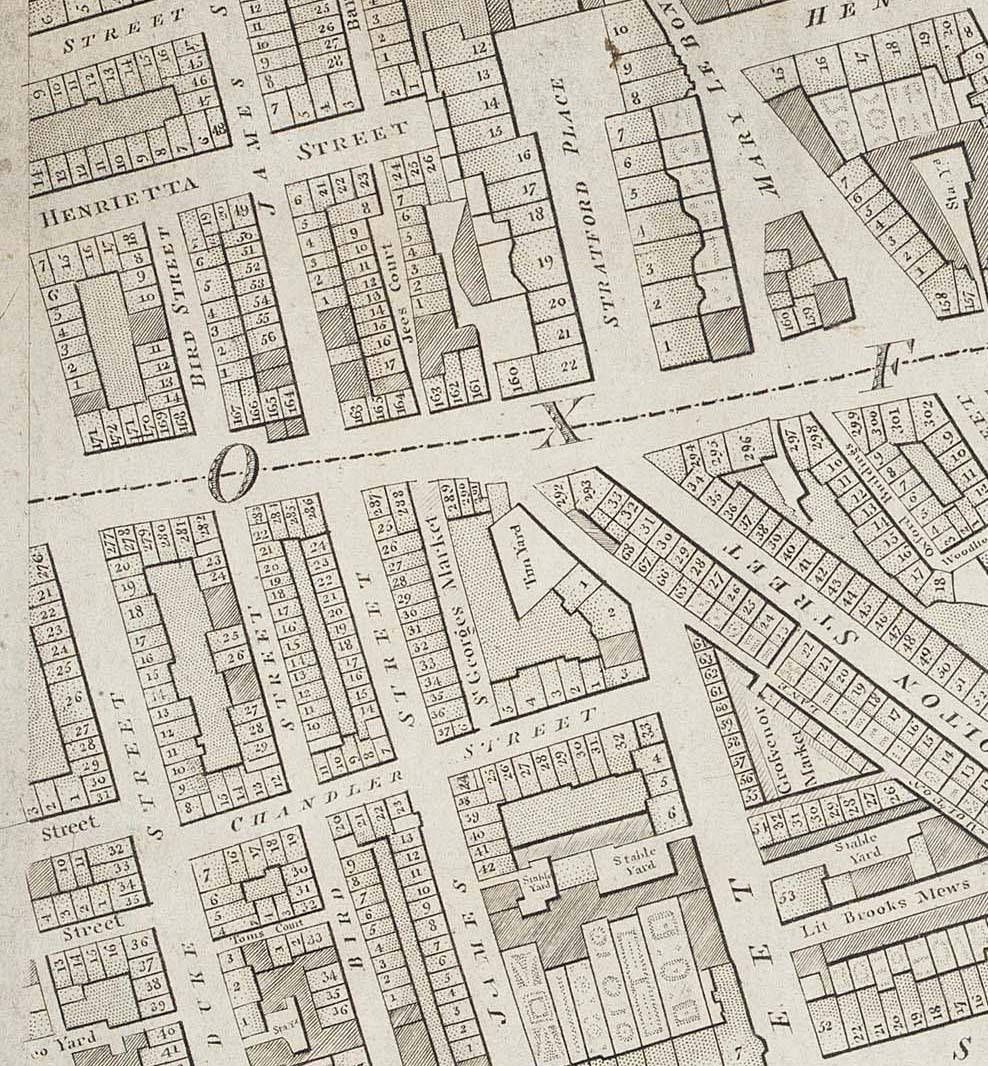
Somerset Street Duke Street Oxford Street Bird Street Gray Street
Richard Horwoods map of 1792
It was very uncommon in early developing cities to have a transportation system for the people, so most people had to walk to work, therefore everyone lived close together and generally near to their place of work. This was tough, because streets were narrow and dirty, and there were no pavements, so traveling usually took a long time. Also, there wasn’t enough room for so many people in apartment buildings. To compensate for a lack of living space, extensions were added on to buildings, and existing rooms were made smaller, and being involved in the building trade, Thomas was never short of work.
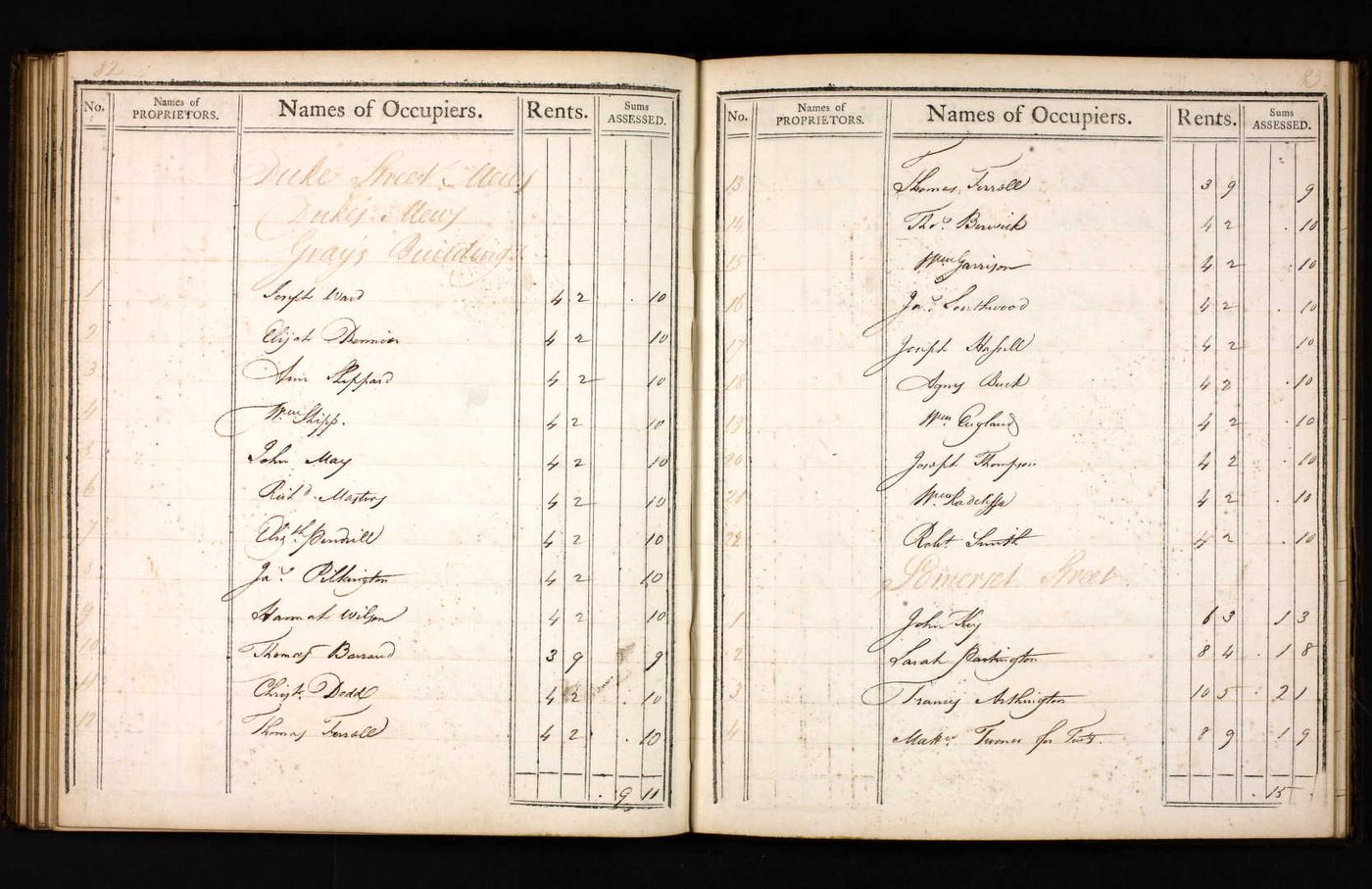
Duke Street Tenant: Thomas Barrand First Year of Section: 1796 Civil Parish or Ward: St Marylebone Borough or County: Westminster. Showing Duke Street, Grays Buildings etc...
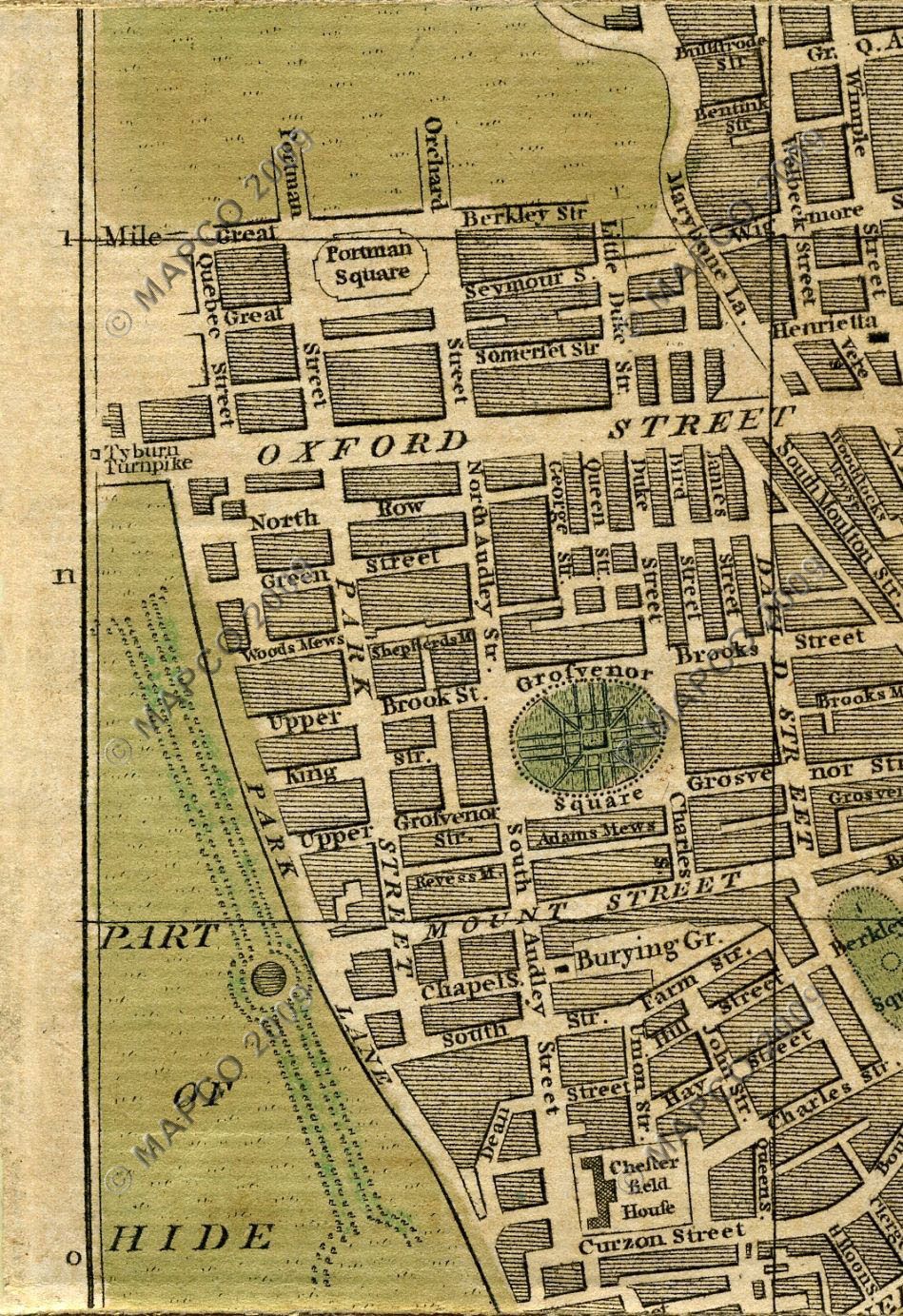
Somerset Street Duke Street, Bird Street Oxford Street
 | ||||||||||||||||||
  | ||||||||||||||||||
| 1807 | 1846 | |||||||||||||||||
 |  | |||||||||||||||||
| 1866 | 1886 | |||||||||||||||||
 |  | |||||||||||||||||
| 1886 | 1896 | |||||||||||||||||
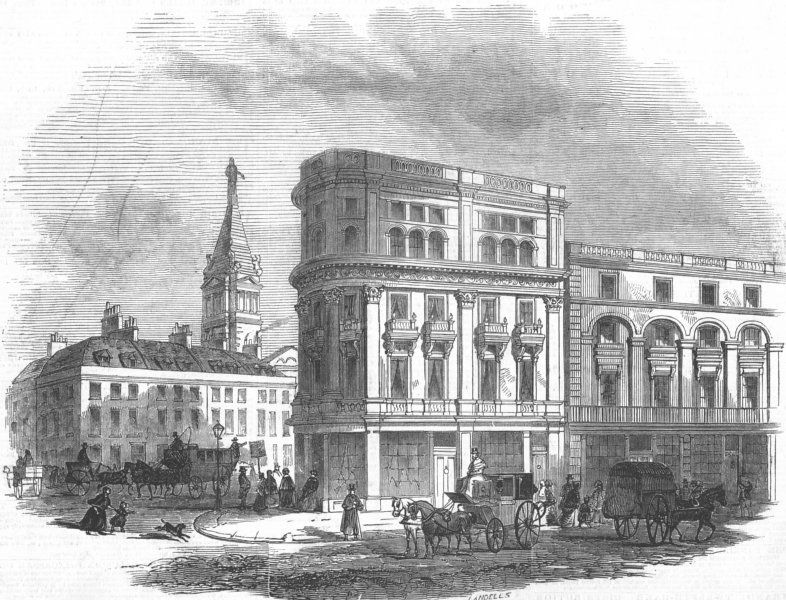
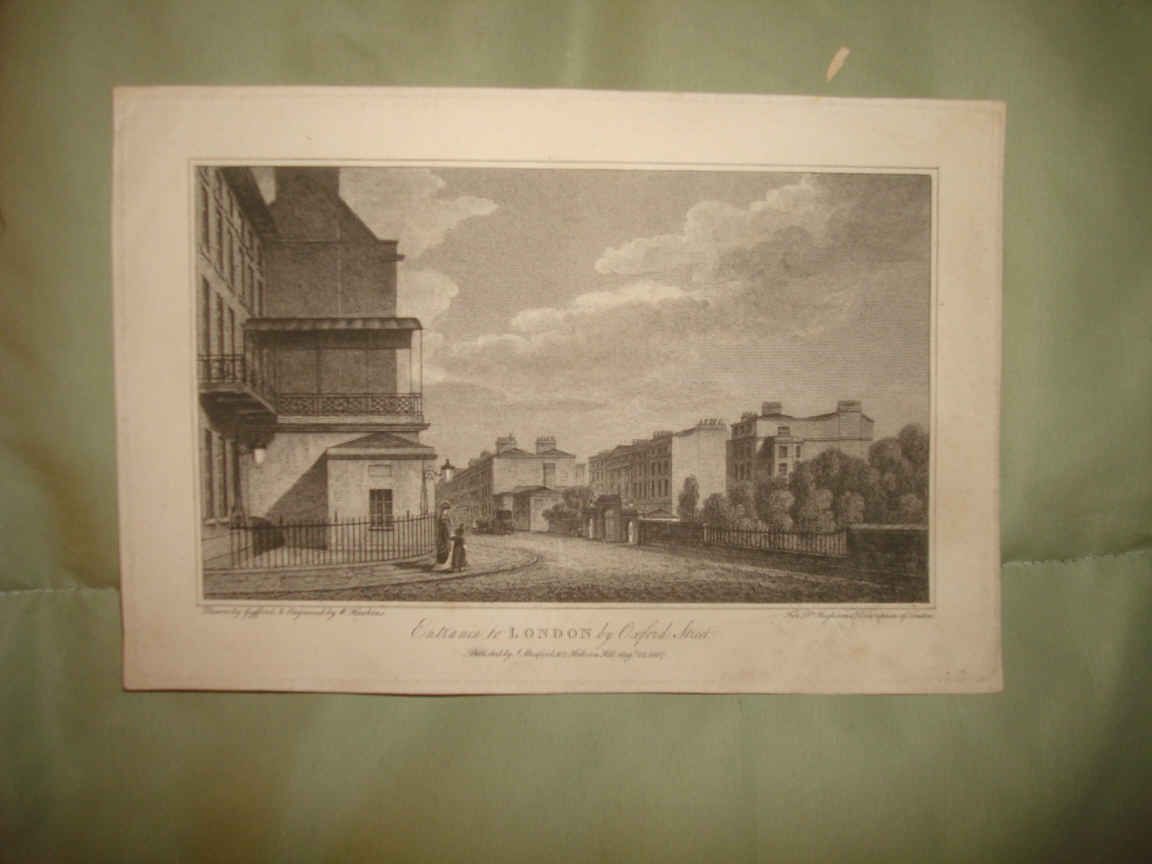
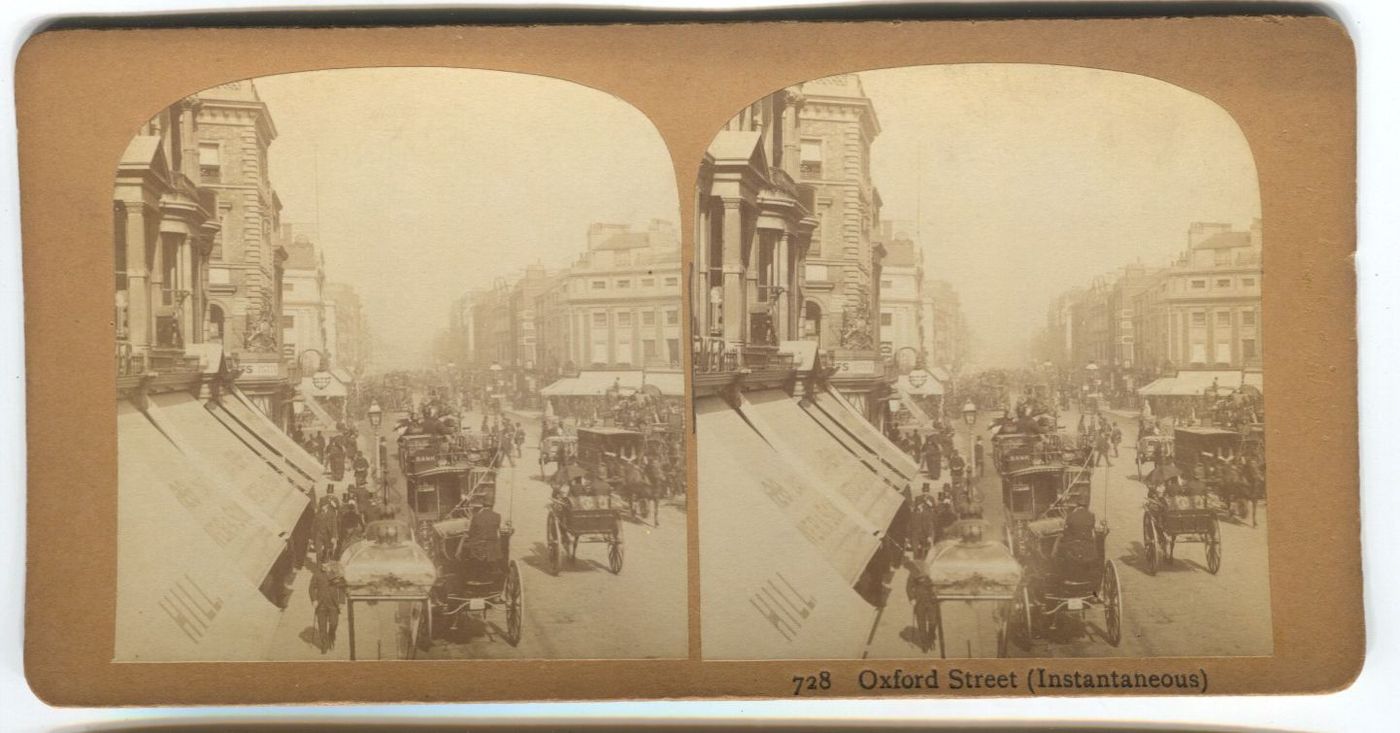
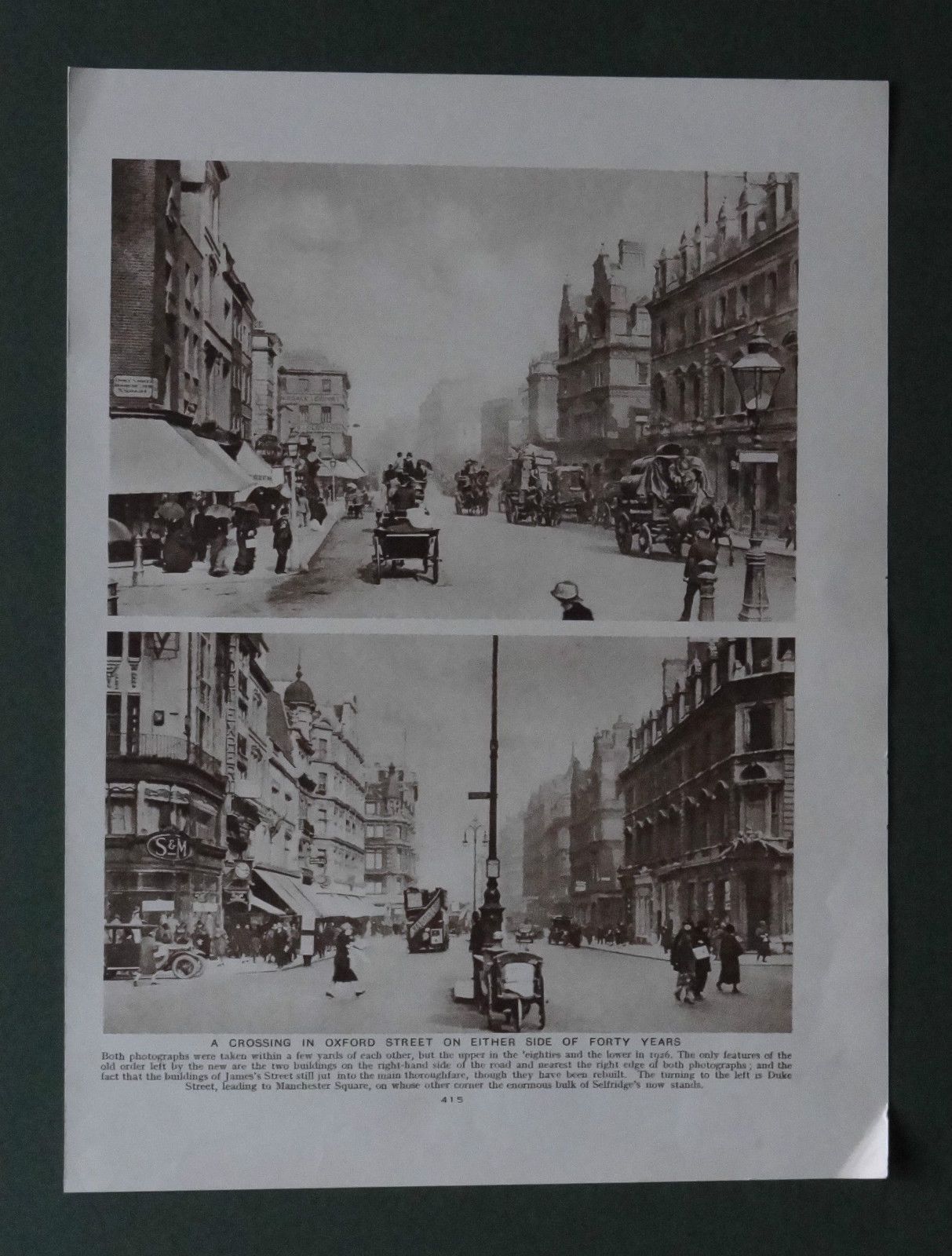
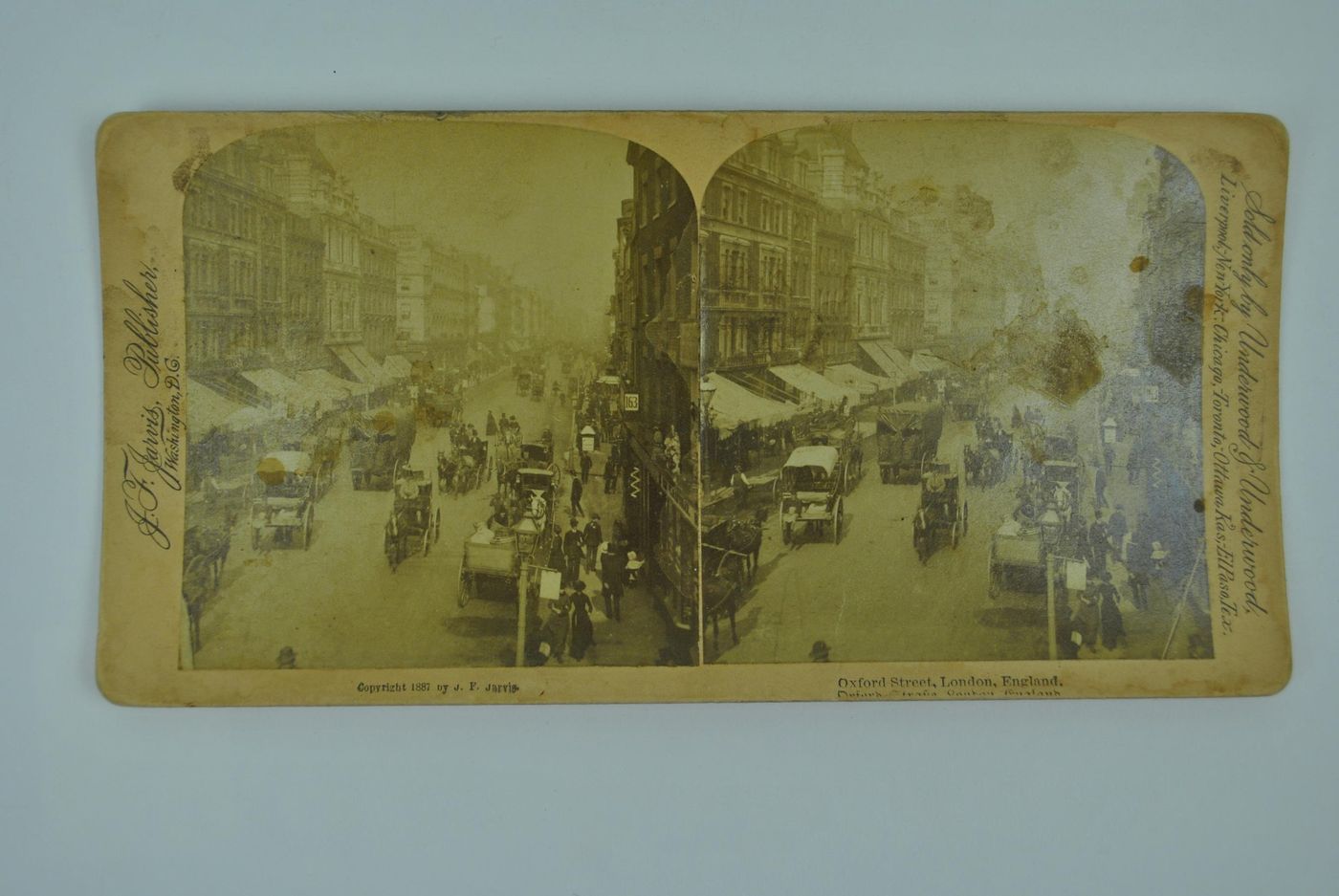
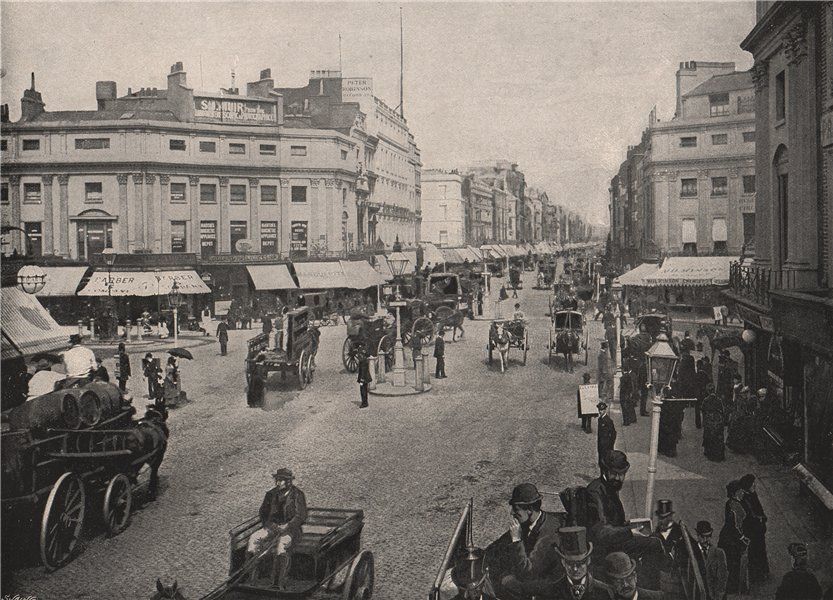
How Oxford Street has changed from 1800 to 1896
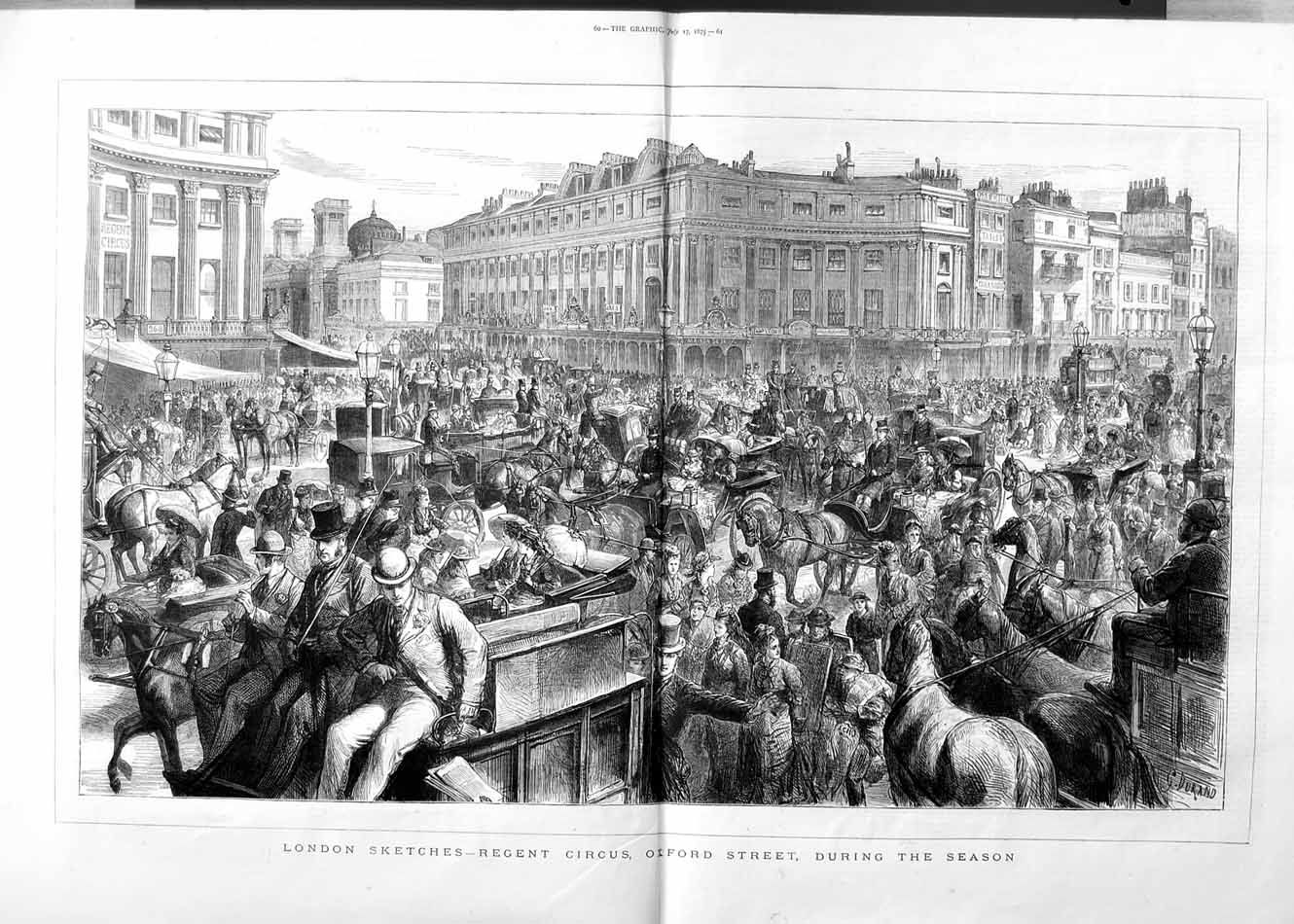
Oxford Street 1875
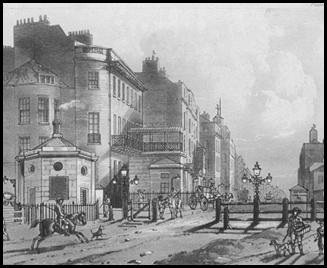
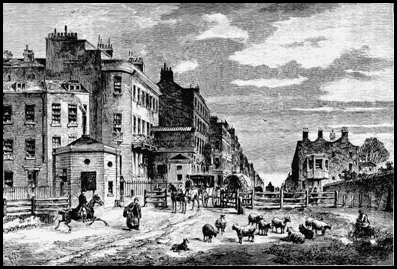
The Marble Arch end of Oxford Street, early nineteenth century, formerly known as the Tyburn Turnpike.
Situated on the site of the old Tyburn gallows (now where Marble Arch is located), Tyburn was one of the busiest and most profitable turnpikes in London.
The toll road has been a feature of rural and urban life since ancient times. It springs from the commonsensical notion of charging travellers a local tax for part of their journey to cover the costs of building and maintaining the transport infrastructure. In Britain Toll Trusts were established at the start of the Eighteenth Century at a time when the majority of the country’s roads were still largely unmade farming and military tracks from earlier centuries. They were much in use and in a constant state of disrepair, making them both dangerous and, most importantly, slow. It was the need for speed during the trade explosion effected by the Industrial Revolution which necessitated the upgrading of this crucial means of transporting people and goods. The expense of road building would eventually be covered by the flow of traffic and the toll charges collected at the various toll houses. The Tyburn Turnpike lay at the entrance to Oxford Street. The mail coaches traveled the toll roads free of charge so the post horn call was sounded to alert tollgate keepers to immediately open the gate under the pain of a 40 shilling fine should they fail. Members of the Royal Family, soldiers in uniform, parsons on parish duties, funeral processions and prison carts were also exempt from tolls.
During the reign of James I, around 150 people were hanged in a year. By the 1700s, up to forty victims a day were being despatched and Tyburn fairs were held every six weeks.
If the condemned criminals were of high rank they were held in the Tower of London. Otherwise they languished in the filthy dungeons of Newgate Prison which stood on the current site of the Old Bailey. London merchant Robert Dow left an annuity to pay for a man to ring a hand bell outside Newgate the night before an execution, reminding the condemned of their imminent death and urging them to repent. He believed this would help the condemned prepare themselves for their journey into the afterlife. Victims were also subjected to a hellfire-and-damnation sermon in a chapel draped in black with their coffins on a table in front of them while the rest of the congregation ogled them. Originally, criminals were dragged from Newgate to Tyburn behind a horse but this often resulted in premature death and deprived the crowds of the spectacle they had come to see. Later victims were therefore dragged on an ox skin or a sled but it seemed more sensible to bring them from Newgate by cart along with their coffin and a pastor to comfort them on the way to their execution.
Tyburn Lane became Park Lane, Tyburn Road became part of Oxford Street, and Tyburn Gate became Cumberland Gate.
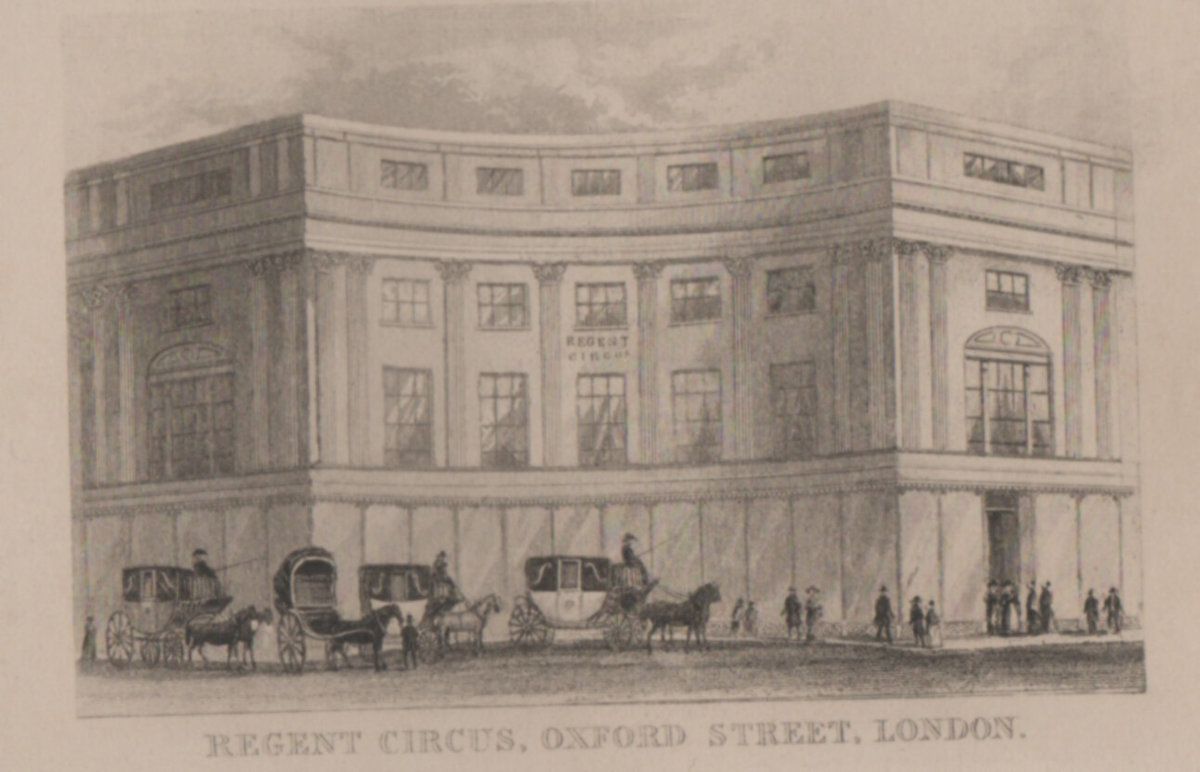
Regents Circus, Oxford Street
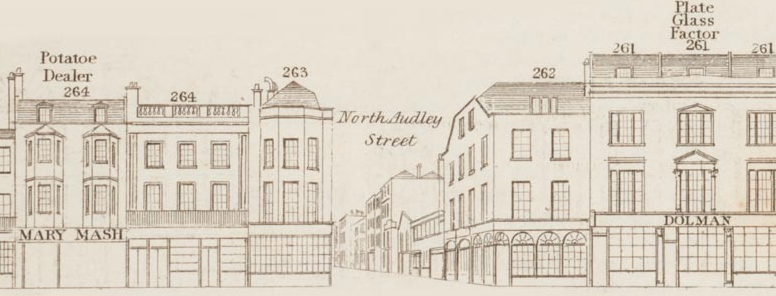
Tallis drawing of Oxford Street showing No 263
Great Britain: Herbert Rose Barraud (1845–1896)
It is known that John Barraud’s son Thomas Barrand lived in the Duke Street area around 1795 near what is now known as Oxford Street, and this was one of the areas of the most well-to-do people of London. John’s grandson, also called John became a maker of chronometer cases, and therefore probably worked with the chronometer making part of the Barrauds.
Without doubt, many of the remaining Barrauds lived in the St. Anne's Area of Soho and surrounding streets from the 1740s until well into the turn of the century. Other members of the Barraud dynasty remained in the Oxford Street area and in particular, Herbert Rose Barraud, (1845-1896) the renowned artist from 1869-1870 and photographer 1873-1896 who had his 1st studio in the mews behind his parents’ home at 96, Gloucester Place, Portman Square (just north of Oxford Street) and was in partnership from 1873 until 7th December 1880 with George Milner Gibson Jerrard who was already an accomplished photographer from 1871. In 1883, Herbert Barraud is shown in the business directories as “Barraud, artist and photographer” at 263, Oxford Street, and also at Piccadilly and this continued until 1890 when the directories show the name simply as Barrauds Ltd. Many photographs of both the Barraud and Barrand families still exist, and it appears he used members of the family as subjects to perfect his skills in the early years. Herbert Barraud seems to have been quite successful in his early years as a photographer, and attended many high class social functions and his clientele included stage performers, clergy, scientists, writers, high-ranking military, and many noted businessmen and Politicians but, in 1892 he closed his studios and became manager of Maynalls at 73, Piccadilly in London although records show his last address was 126 Piccadilly. His reputation was outstanding and it is said there were “queues of people waiting for sittings”. (Maynalls was a favourite photographer to Queen Victoria and several photographs of the Royal Family were taken during Herbert Barraud’s managership).
The following year, 1893, Maynalls moved to Kingston-on-Thames, and the photographic department was acquired by Herbert Barraud. Although Herbert died in 1896, two of his brothers, Francis (of HMV fame) and Philip, had also become photographers and they set up studios in Liverpool, and subsequent photographs show their address in Liverpool and also the address in London. Francis Barraud also became the manager at Maynalls until about 1904, and was succeeded by his nephews, Cyril and Mark Bernard Barraud.
It is interesting to note that the Barrauds took to photography as soon as it became a viable profession. It seems that almost all of the Barrauds were involved in photography at some time or another.
Mayall & Co.
Managers: Herbert Rose Barraud 1892 - 1896, Francis James Barraud 1896 - 1904, Cyril Henry Barraud 1896 - 1897.
Studios: 1. 164 New Bond Street, Westminster August 1885 - 1891. Successors to John Jabez Edwin Mayall. Trustee released from bankruptcy April 29 1892.
2. 73 Piccadilly, Westminster 1892 - 1895.
3. 126 Piccadilly, Westminster 1896 - 1920. Successors to Henry Rose Barraud.
In Kingston on Thames 1891 - 1907; in Thornton Heath 1888 - 1889.
Limited company April 1888.
Company in voluntary liquidation February 8th 1906 (London Gazette 1906 p 1375); registered April 11th, 1906 (Stock Exchange Yearbook 1907).
Directors: A Parkes, W P Parkes & Cyril Henry Barraud.
Struck off register 1915.
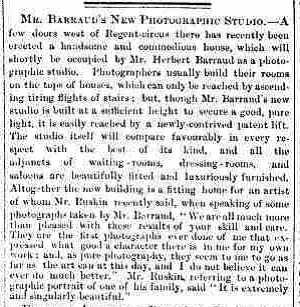
Morning Post 02 November 1882
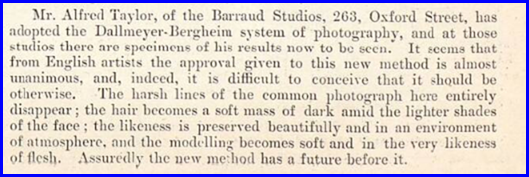
The Sketch 24 June 1896
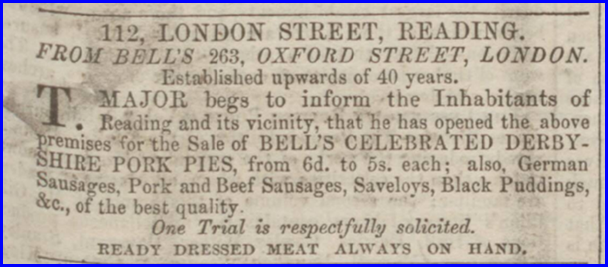
Reading Mercury 27 October 1860
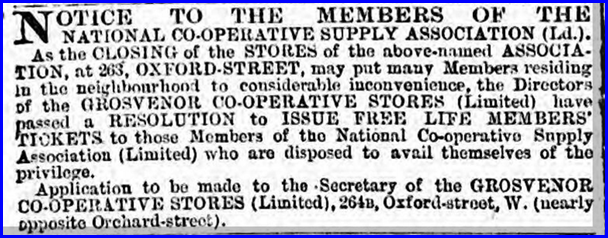
263 Oxford Street was a Co-op premises 29 June 1880 - Globe - London, London, England
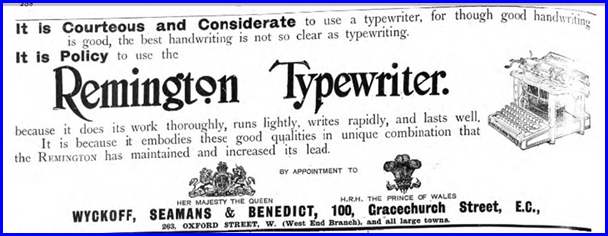
The Graphic 04 March 1899
263, Oxford Street was a tobacconist (1853) and then Bells, a wine and provision shop (1860) then Layland & Co, harmonium sellers shop (1868) and finally a branch of the Co-op (1880) before Herbert R. Barraud took over the premises (1882) and it became the London shop for Remmington Typewriters after he left. It is described as between Oxford Circus and New Bond Street.
Alans Tea Rooms 1910 (263 Oxford Street) opened 1911 closed 1916
One of the businesses at 263 Oxford Street was ‘Alan’s Tea Rooms’. 263 Oxford Street was a building on the south side of Oxford Street, very slightly to the west of Oxford Circus, and constructed of red brick, probably built in the 1860s. The room had a ceiling cornice above a frieze of garlands and the walls were papered with a small-patterned wallpaper. There was a plain, early-19thc-style fireplace and panelling under the window. It was mentioned in advertisements as, ‘three doors away from Jays’. As a business, it was certainly very centrally placed, its only drawback being that it was not on street level but on the first floor above a dry-cleaners called Achille Serre. In order to reach‘Alan’s Tea Rooms’ premises, customers had to enter by a door at the side of the shopfront and climb a flight of stairs. It had a semi-circular arcaded window in the Venetian style, and from a table in the window looking down onto Oxford Street, would have been rather popular.
Certainly it was popular with both suffragettes and suffragists. The owner was not ‘Mr Alan Liddle’, but ‘Miss Marguerite Alan Liddle’. ‘Mr Alan Liddle’, while not charging the rent of the room hired for suffrage meetings, doubtless made his profit from the sale of the accompanying tea and buns. The census records show that Marguerite Alan Liddle’ was the sister of Helen Gordon Liddle, an active member of the WSPU, who, in The Prisoner, describes the month in 1909 during which she endured forcible feeding in Strangeways prison.
There was a great deal of competition from neighbouring establishments – a Liptons, a Lyons and an ABC were all close by and the proprietor may well have thought it necessary to carve out a niche market. And most likely that niche market she aimed at was ‘the suffragette’movement.
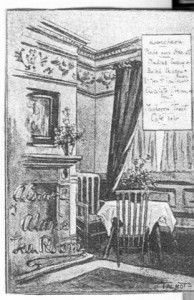
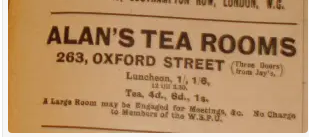
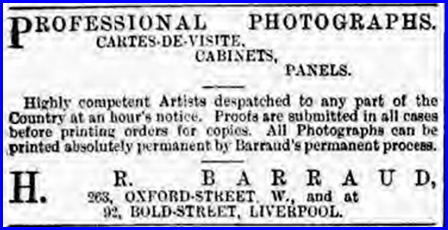
The Era 15 June 1889
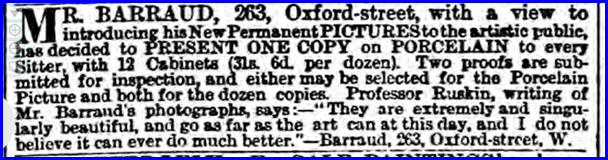
Morning Post 29 April 1887
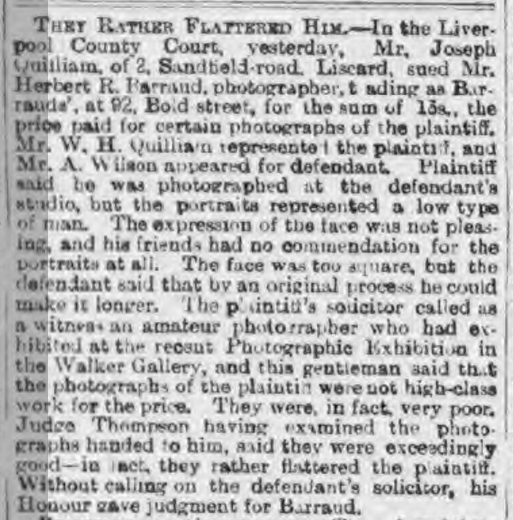
Liverpool Mercury 13 June 1888

Huddersfield Chronicle 30 May 1891 (Partnerships dissolved)
In the stories of Sherlock Holmes by Arthur Conan Doyle, mention is made of premises in Oxford Street near Baker Street where Herbert Rose Barraud had his own premises.
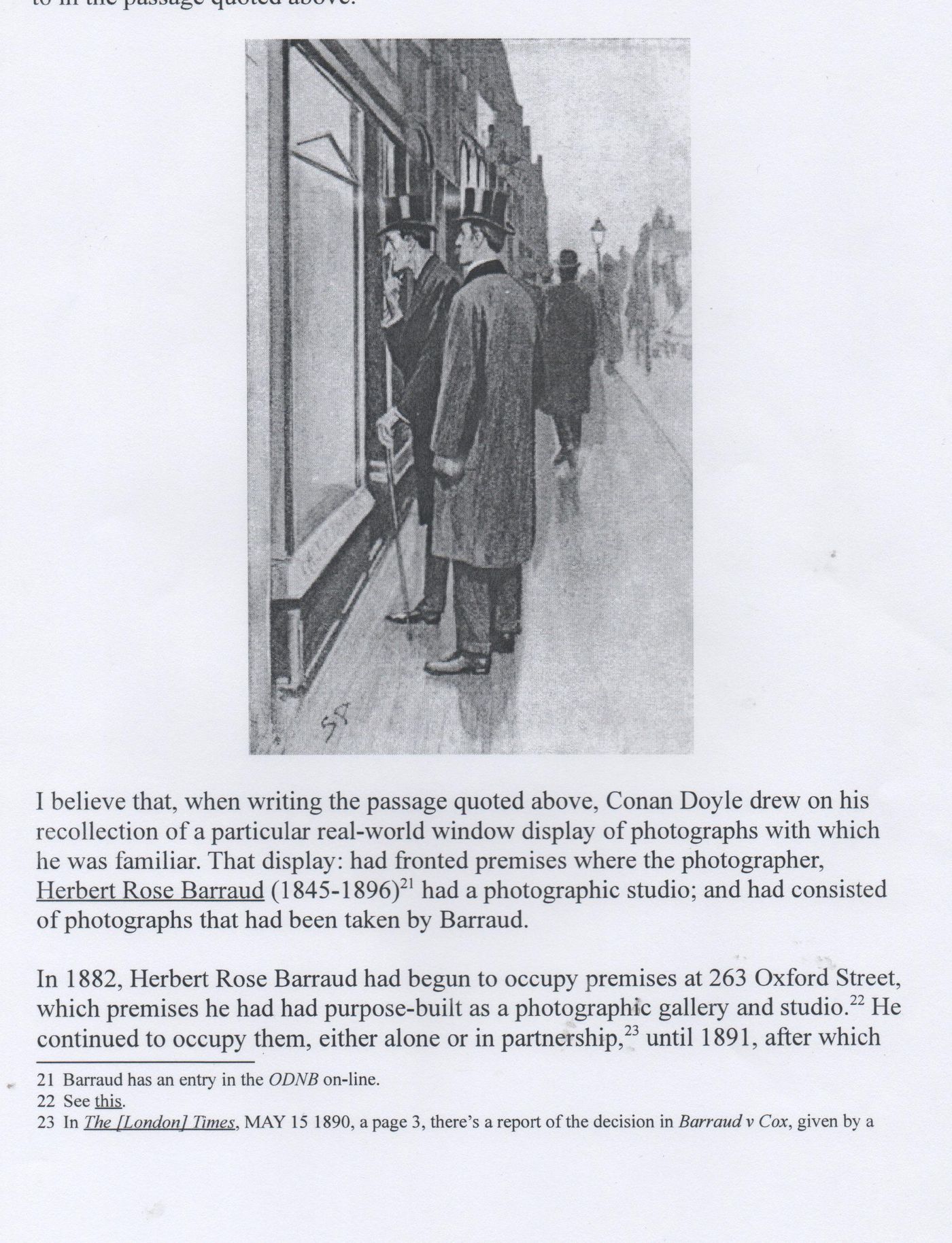
Sir Arthur Conan Doyle’s Sherlock Holmes short story, “The Adventure of Charles Augustus Milverton”, was written in 1903 and first published in 1904.
In an illustration, by Sidney Paget (above), it shows Sherlock Holmes and Dr. Watson in front of the window display of photographs being referred to.
When writing the story, Conan Doyle drew on his recollection of a particular real-world window display of photographs with which he was familiar. That display had fronted premises where the photographer, Herbert Rose Barraud (1845-1896) had a photographic studio; and had consisted of photographs that had been taken by Barraud.
In 1882, Herbert Rose Barraud had begun to occupy premises at 263, Oxford Street, which he had had purpose-built as a photographic gallery and studio. He continued to occupy them, either alone or in partnership, until 1891, after which he was succeeded as either sole or joint occupier by a limited company called Barrauds Ltd. That company had been incorporated to take over his business and he was associated with it as manager, at least until 1892. The limited company continued to occupy the premises until 1903, with an unrelated occupier beginning in 1904. Admittedly, there is no clear evidence that those premises were or were not fronted by a window in which could be displayed photographs that had been taken on those premises, but it is a small step indeed to assume that those premises had such a window. It seems most unlikely that Barraud would not have taken advantage of the opportunity for such advertising on a street as busy as Oxford Street. Certainly, 263 Oxford Street was an address that one would find when one had “almost reached” Regent/Oxford Circus. In fact, in his print advertising and on copies of his photographs, Herbert Rose Barraud emphasised the closeness of his premises to Regent/Oxford Circus. For instance, one finds him giving his address as “263, Oxford Street, London, W. (Regent Circus)” or “263, Oxford Street, London. “Near the Circus.” or “263 Oxford Street, London - A Few Doors West of ‘The Circus”. Since Holmes and Watson had reached Oxford Street from Baker Street, it seems inevitable that they were approaching Regent/Oxford Circus by walking in an easterly direction along Oxford Street. In that case, a shop-window on their left would have been on the north side of Oxford Street. However, at least at the present day, as Google Maps discloses, 263 Oxford Street is on the south side, rather than on the north side of Oxford Street. Having been unable to find any evidence to the contrary, I will assume that the number 263 identified premises on the south side of Oxford Street at all earlier relevant times as well.
There are other matters than the fact that Herbert Rose Barraud’s premises were in Oxford Street just to the east of Regent/Oxford Circus that suggest that Conan Doyle had in mind a window display at Barraud’s premises of photographs that had been taken by him. Barraud at 263, Oxford Street had arrived at a career pinnacle. Barraud in particular boasted a royal and noble clientele and the upper echelons of acting. Barraud was certainly a photographer one would expect to have photographed what was called “the celebrities and beauties of the day”. That expectation is confirmed by examining a publishing venture with which Barraud was associated and for which he is now best-known, Men and Women of the Day - A Picture Gallery of Contemporary Portraiture. That publication began to appear monthly in January 1888 and continued for six and a half years. After each twelve-monthly parts of the series had been issued, an annual volume collecting those parts was also issued for separate purchase. Each monthly part consisted of three portraits of different persons, together with brief biographies of the subjects of the portraits. For at least the first four years of the publication’s existence, the portraits were taken by Barraud alone, although, in the latter stages of the publication’s existence, he shared the photographic duties with others to a minor extent. The National Portrait Gallery, London, holds five of the annual volumes that appeared and has published lists of the names of the sitters and their photographers in each of the volumes that it holds, making it possible by use of those lists to discover the names of the sitters in 178 photographic portraits taken from life (Barraud also took two photographs of previously painted portraits, which photographs appeared in the 1890 annual volume). As well as confirming that Barraud did photograph “the celebrities and beauties of the day”, the Gallery’s list of the names of the sitters for Men and Women of the Day is particularly interesting because of the name of one of the celebrities appearing on it as having been photographed by Barraud—none other than that of “Sir Arthur Conan Doyle”. Even if it wasn’t taken as early as 1890, it was at least taken when Barraud was still working at 263 Oxford Street, as appears from the fact that that address is shown on the photograph as his address. In his photograph, Conan Doyle is seen sitting on a chair of distinctive appearance.
That chair is identical to one on which other sitters in the series are seen to be seated in photographs of them by Barraud. It would be a remarkable coincidence if the chair being used in all such photographs were not the same chair. Further, the idea that Barraud would have bothered to transport that chair, which was plainly his, to some other place than his studio in order to photograph Conan Doyle (or, for that matter, any other of the sitters who sat on it), rather than simply to use a chair found at that other place, is highly unlikely. Thus, I’m satisfied that Conan Doyle attended 263 Oxford Street in order to have his photograph taken by Barraud. When one considers that Barraud’s premises had been in Oxford Street, just to the west of Regent/Oxford Circus and that Barraud had been particularly known for taking photographs of the celebrities and beauties of the day and also that Conan Doyle had attended Barraud’s premises to have his own celebrity photograph taken, the case for Conan Doyle’s having had Barraud’s premises in mind as the model for the premises before which he placed Holmes and Watson in “The Adventure of Charles Augustus Milverton” seems comfortably made out. It follows that Barraud himself was Conan Doyle’s real-life model for the photographer of Charles Augustus Milverton’s killer.
Leslie Katz
June 24th 2013
Barraud the watchmaker was mentioned in Sherlock Holmes “The Lauriston Garden Mystery”
"You're sure it doesn't simplify them?" observed Holmes. "What did you find in his pockets?"
"We have it all here" said Gregson, pointing to a litter of objects upon one of the bottom steps of the stairs. "A gold watch, No 97163, by Barraud of London. Gold Albert chain, very heavy and solid...."
A Study in Scarlet by A Conan Doyle, chapter 3, "The Lauriston Garden Mystery"
Regent Circus was the name originally given to two different London intersections created in the early nineteenth century, both involving Regent Street:
(1) The intersection now called Oxford Circus
(2) The intersection now called Piccadilly Circus.
At least originally, the two Regent Circuses were distinguished from one another by calling the first one mentioned above Regent Circus North and calling the second one mentioned above Regent Circus South. However, it seems that, by 1894, what had originally been called Regent Circus South was being commonly referred to as Piccadilly Circus, while what had originally been called Regent Circus North was being commonly referred to either as Regent Circus (without the qualifying “North”) or as Oxford Circus. When the name Regent Circus finally gave way to the name Oxford Circus is unclear, but it was obviously after 1903, since in the quoted passage, Watson was plainly referring to the intersection now called Oxford Circus.
At some time between 1800 and 1810, Thomas Barrand and Susan Cook moved from the centre of London to Frances Street, Woolwich near Greenwich as it seems he may well have been involved in the construction of the Royal Artillery Barracks, which were started around 1802 and also the surrounding residential houses. Frances Street was where the Woolwich Barracks were situated. The outlying houses ranged from hilltop villas to simple courts. The area of Frances Street also included the first Navy Arms public house in 1780-1782. A John Cook built a two-storey, three-bay building in 1816–17, originally called Regent Cottage, that still remains legible from the large garden that overlooks Mulgrave Pond. John Cook was, it seems, a meat contractor who supplied the Royal Artillery Barracks from about 1809 and further east near the new dockyard gate at what became known as the ship's tavern corner, the ship inn was later rebuilt by the Woolwich architect John Oliver Cook the grandson of John Cook, and therefore most possibly a relative or decendant of Anthony Cook. On Frances Street, the 2-storey frontage had been built up in 1804–5 with a row of three-storey houses that incorporated both shops and houses, and once the Marine Barracks were established across the road, some officers’ quarters.
Frances Street was originally merely a track connecting Woolwich Common with the dockyards to the north, running along the ridge of high ground, and the barracks were built in Francis Street, on the oposite side of the street where Thomas now lived. There was an early start to development at the western extremity of settlement in Woolwich along the south side of Woolwich Church Street as far west as what is now Frances Street. The southern part of Frances Street originally began as Manor Road. Change came at the beginning of the nineteenth century when rapid development was primed by the proximity of the Royal Artillery Barracks, military road building, and the disintegration of the Bowater estate. More barracks were built, and speculative housing gradually filled gaps, much of it aimed at a military market, from hilltop villas for officers to small tenements for the ranks. By 1808 new barracks for marines had been established east of Frances Street and the road that became Woodhill had been laid out in a small valley surrounded by woods and gardens. This was dependent of the naval dockyard, and across a road that the Navy maintained. This garrison had a major impact on developments, principally residential, on both its north-west and east sides. Further south, across the expanse of the Woolwich Common, was the Royal Military Academy of 1803–1806. Wartime reconstruction of the military estate after 1800 lifted Woolwich to another level. Huge growth in the population of Woolwich during the Napoleonic Wars encouraged speculative development of the fields south of the parish church, much of which was designated to the local church. Work attracted new immigration and from 1800 to 1811 the population almost doubled to 17,054 in 2,296 houses. Fields had been built on, extending the town south of the dockyard. The main building of the Barracks dates back to 1802 and took 25 years to build - understandably as it is the longest continuous building front in Britain.
When Thomas Barrand and Susannah moved to the Woolwich area, they brought with them their youngest two remaining children, Joseph and Elizabeth Cook. It seems more than likely that they moved here nearer to 1810 than 1800, as they left their other children behind in central London and, although William, Thomas and Peter were all fully employed as carpenters and had already married, John would have been only aged 9 in 1800 and it seems logical that they would have waited until he reached maturity, or at least gained full-time employment or as an apprentice. Thomas had already witnessed his son, William’s wedding in 1804 to Margaret Catlow, and Susan (nee Cook) had witnessed Thomas’s wedding to Sarah Took also in 1804, so it would appear that Thomas and Susan Cook were still in central London up to and beyond 1804. Of the 2 children that travelled to Woolwich with them, Joseph their youngest son eventually worked for the admiralty in Greenwich and married Eleanor Page, and Elizabeth Cook, their youngest daughter married James Able, a seaman, also in Greenwich, both of which were after Thomas’s death in 1810.
Parish Records Collection - burial
First name(s): Thomas
Last name: BARRAND
Date of burial: 28 Jan 1810
Age at death: approx 55
Calculated year of birth: 1755
Place of burial: Woolwich
Dedication: St Mary Magdalene
County: Kent
Woolwich St Mary Magdalene:
Denomination: Anglican
Coverage: 1808 - 1811
Number of entries: 2,907
Record source: National Burial Index
Data provider: Woolwich & District Family History Society
Parish record of the death of Thomas Barrand
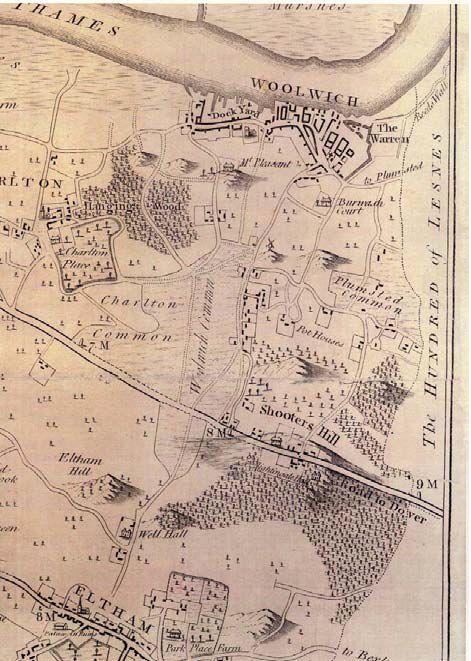
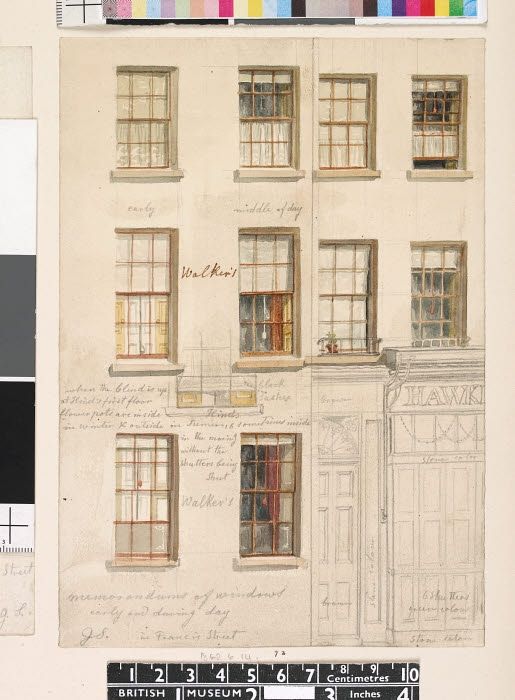
Woolwich 1790 showing Frances Street Woolwich Common Houses on Frances Street
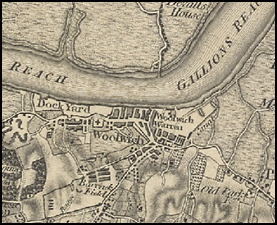
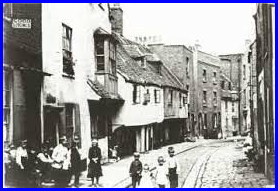
Woolwich 1805 Showing Frances Street Woolwich Shops
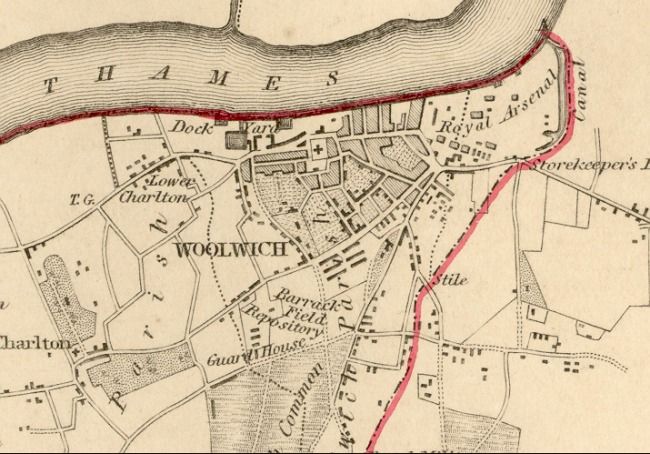
Map of Woolwich
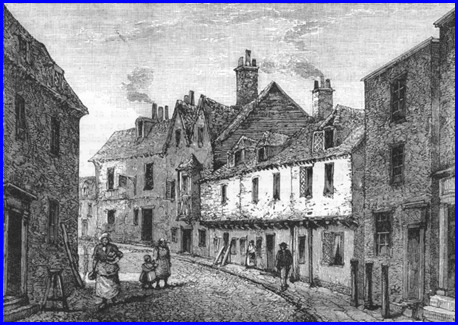
Early Woolwich (Nile Street)
Name: Susan Barrand
Record Type: Burial
Estimated Death Date: 1822
Burial Date: 13 Jan 1822
Age: abt 72
Estimated Birth Year: abt 1750
Parish or Poor Law Union: Woolwich St Mary Magdalene
Borough: Greenwich
County: Kent
Parish Record of the death of Susan Barrand (nee Cook)
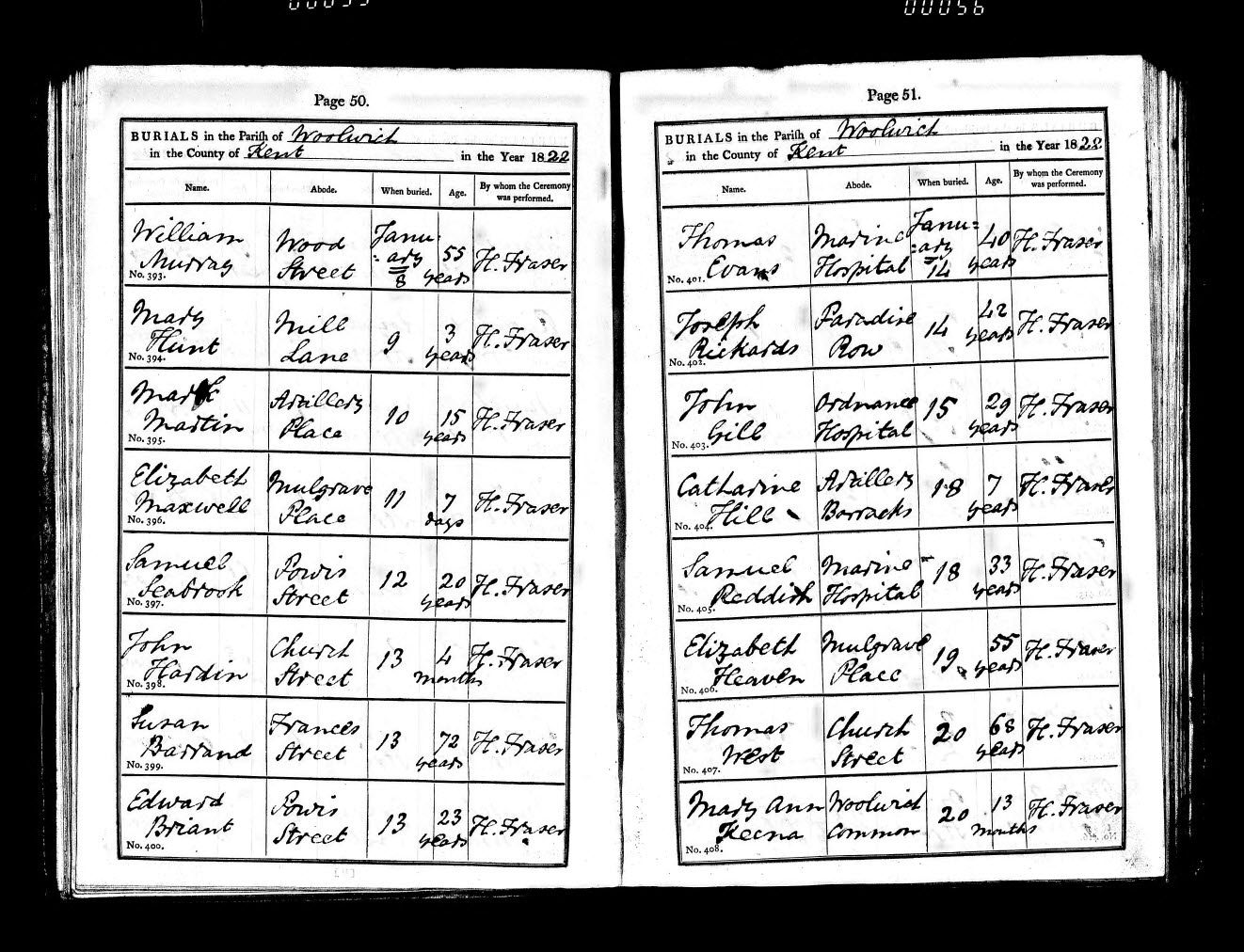
Parish record of the death of Susan Barrand
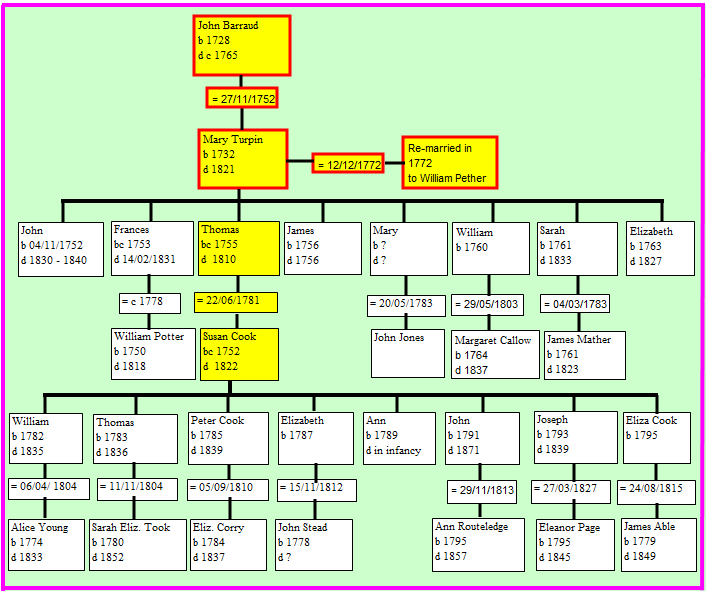
There are eight known children of Thomas Barrand and Susannah Cook, and these are: