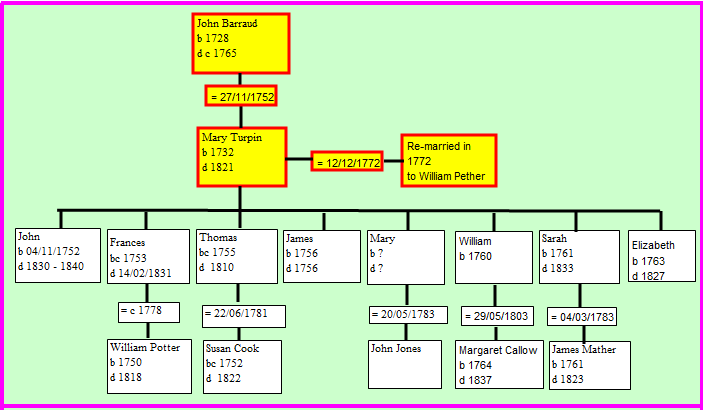
John Barraud (b 1729) died on the 1st June, 1763 of tuberculosis and was buried on the 8th June, 1763 in St. Sepultre Church, London. The name is spelt "Barrd" and the age is shown as 34 years of age which is correct. His address is shown on the burial records, and it is Turnagen Lane or, to give it its correct name Turnagain Lane.
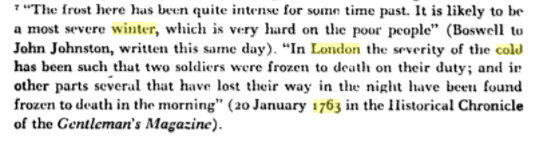
The winter of 1763 was extremely harsh, and that may well have contributed to the untimely death of John. January of 1763 in particular was a bitterly cold month. There was an intense frost from Christmas Day, 1762 until the end of January 1763 with ice across the Thames and people were able to walk across from one side to the other.
Why John should have moved his family all the way from Soho to Holborn remained a mystery until it became clear that John Barraud's brother, Francis-Gabriel had also moved from his address in Seven Dials in St. Giles in about 1756 to No: 7 Shoe Lane and had set up business in Holborn as a watchmaker. This business in later years eventually included his own sons, Paul Philip (b 1752) and John (b 1756) when they became old enough. After a short time at Shoe Lane, he moved the business to No: 8 Wine Office Court, off Fleet Street, and the "Old Clocks and Watches and their Makers" directory has the entry "Francis & Paul Jno" at this address 1759-1794.
As previously mentioned, Francis-Gabriel Barraud married Magdelen Crespin in 1751 and they had 3 sons, Paul Philip, Francis Elias and John. Paul was born in 1752, Francis Elias was born in 1754 but died in infancy and John was born in 1756. Publicity material put out by the Barraud Company in 1849 includes the phrase "founded in 1750" so clearly this cannot have included Francis-Gabriel's sons in 1750 as they had not been born, and this seems to be a clear indication that Francis-Gabriel was in business at this time with his brother John.
As Turnagain Lane is only 100 yards from Shoe Lane and 200 yards from Wine Office Court, it seems a certainty that John Barraud was either a worker for Francis-Gabriel Barraud or more likely a partner of some sort in the business, and had moved his family to Holborn to be nearer his work. John and Mary Turpin's son, James was buried in St. Annes, Soho in 1756, so the family must have moved to Holborn some time after this date so most probably about 1756-1757, the same time as Francis-Gabriel and his family.
John and Francis-Gabriel's mother, Frances (Prevost) died at Francis-Gabriel's house in Shoe Lane in 1778, so it would seem that although Francis-Gabriel has his business address in Wine Office Court by 1759, his home address was still at 7, Shoe Lane in 1778.
Very soon after John Barraud's burial in June, 1763, his widow Mary Turpin took her family and returned to Soho to live with her widowed mother Elizabeth Turpin, as it is known that John and Mary's son Thomas attended Rose Street School in Soho in 1765. They must have stayed in the Soho area of London until Mary remarried in 1772 to William Pether, as Mary's sister Sarah Turpin was still unmarried and still living at home with her mother, and she was a witness to the marriage. Mary's mother Elizabeth Turpin (nee Little) died in February 1774 shortly after Mary Barraud re-married in 1772 and was buried on the 13th February, 1774.
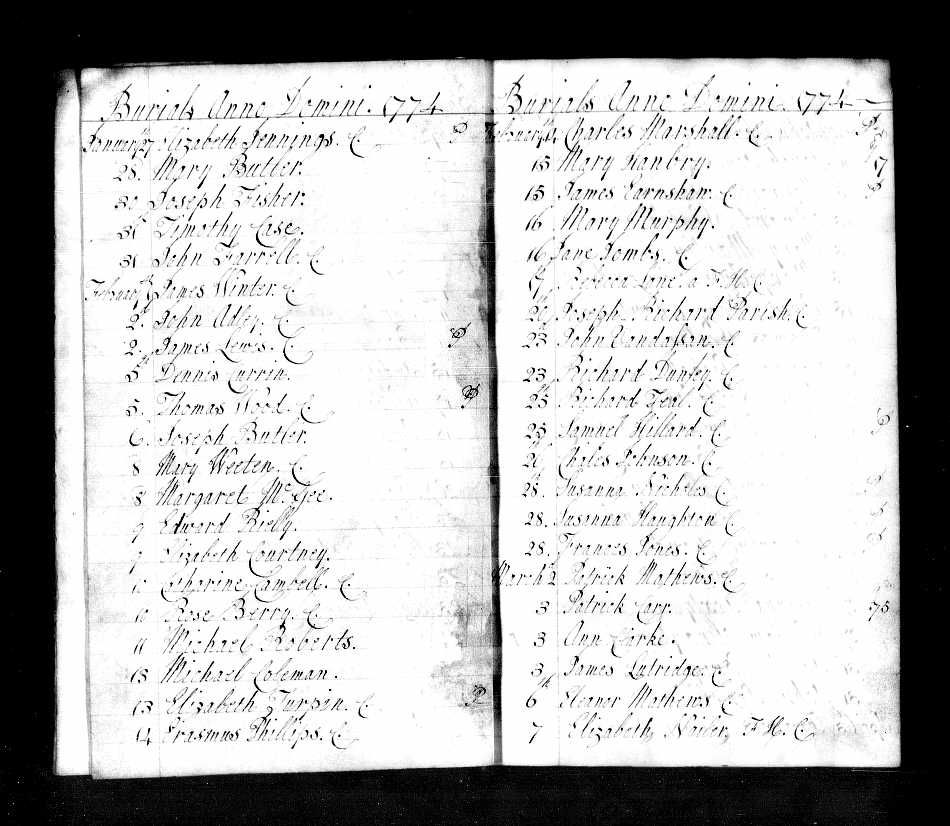
Death of Elizabeth Turpin (nee Little)
| Name: | Elizabeth Turpin |
| Burial Date: | Feb 13th 1774 |
| Parish: | St Pancras Old Church |
| County: | Middlesex |
| Borough: | Camden |
| Record Type: | Burial |
| Register Type: | Parish Register |
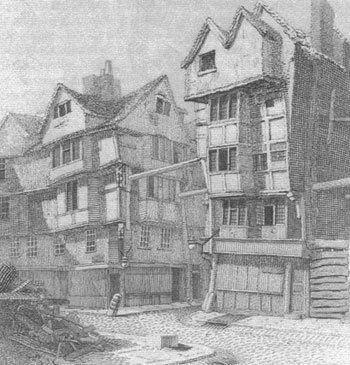
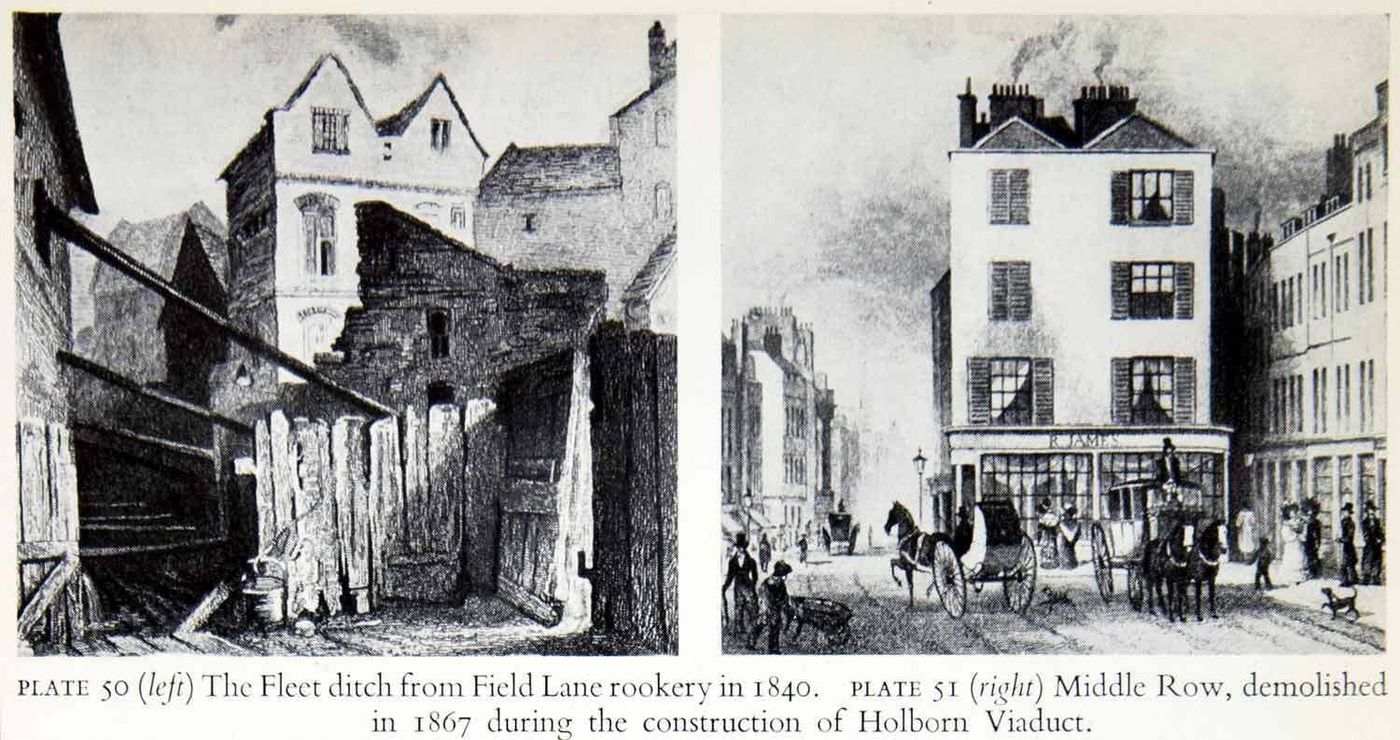
Houses in Snow Hill showing the entry to Turnagain Lane Fleet Ditch near Turnagain Lane
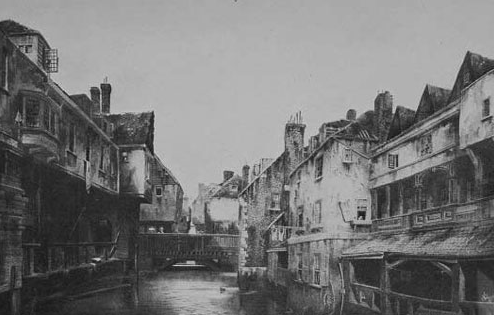
Fleet Ditch
The 1st picture of houses in Snow Hill (above) was taken from London Stories, but this picture is also mentioned as being Butcher’s Row, St. Clement’s Lane and drawn by John Thomas Smith shortly before its demolition in 1798.
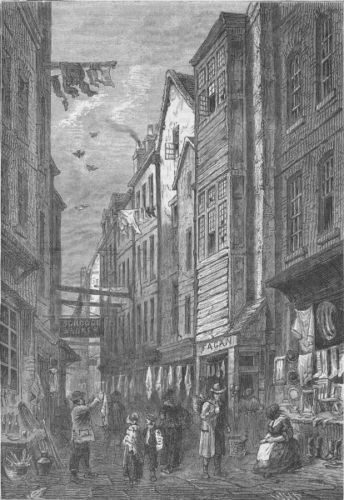
Houses at Field Lane - Top of Shoe Lane
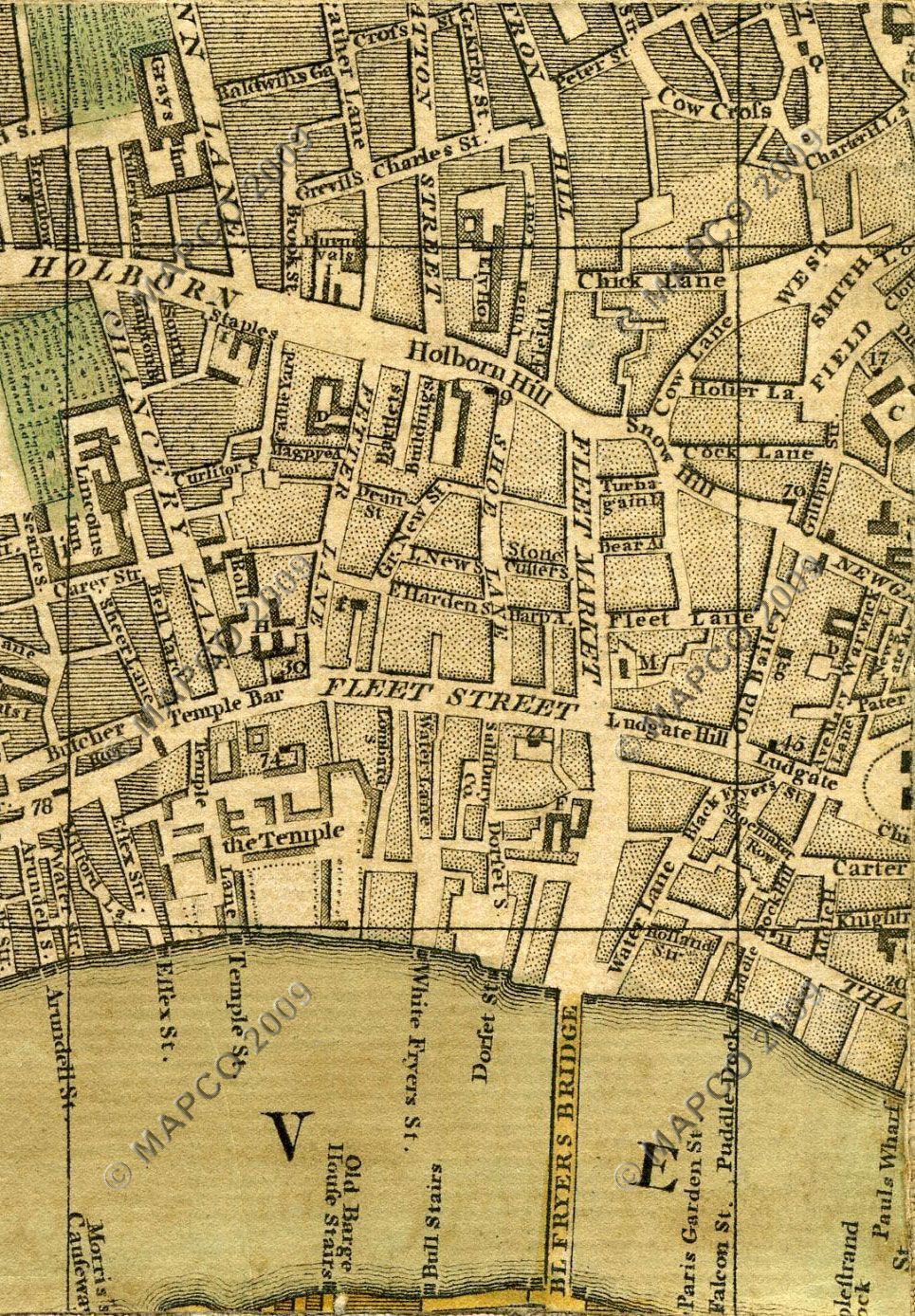
Rocques map of Holborn 1750 showing Shoe Lane, Turnagain Lane, Chick Lane and Wine Office Court
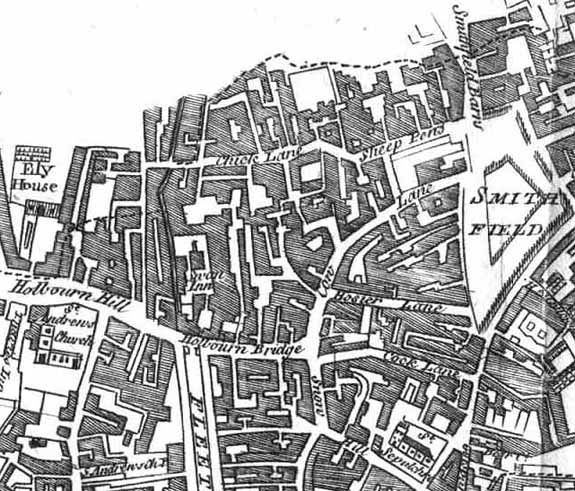
Map of 1760 showing St. Andrews Church Shoe Lane, Turnagain Lane, Chick Lane, and St. Sephultre's Church
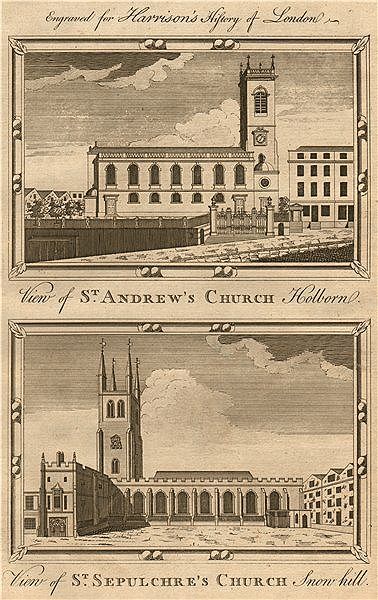
St. Andrews Church about 1770 St. Sepulchre Church around 1770
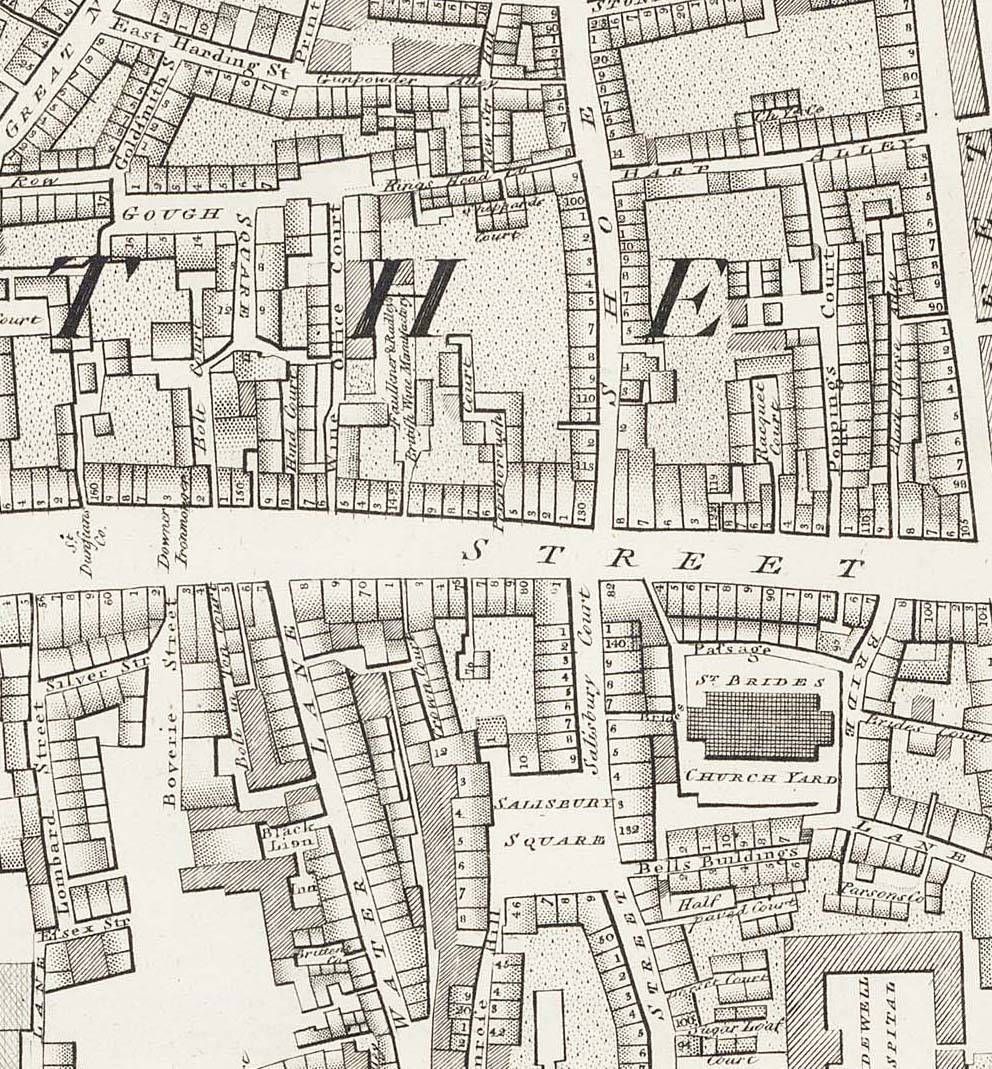
8, Wine Office Court 7, Shoe Lane
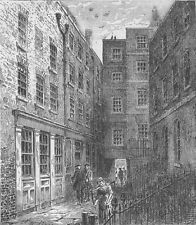
Wine Office Court
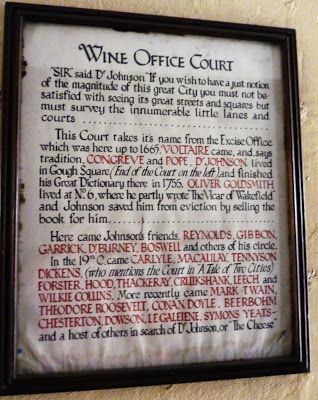
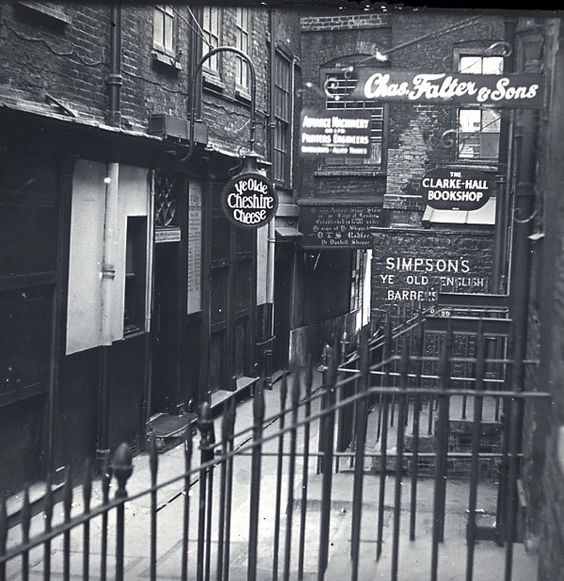
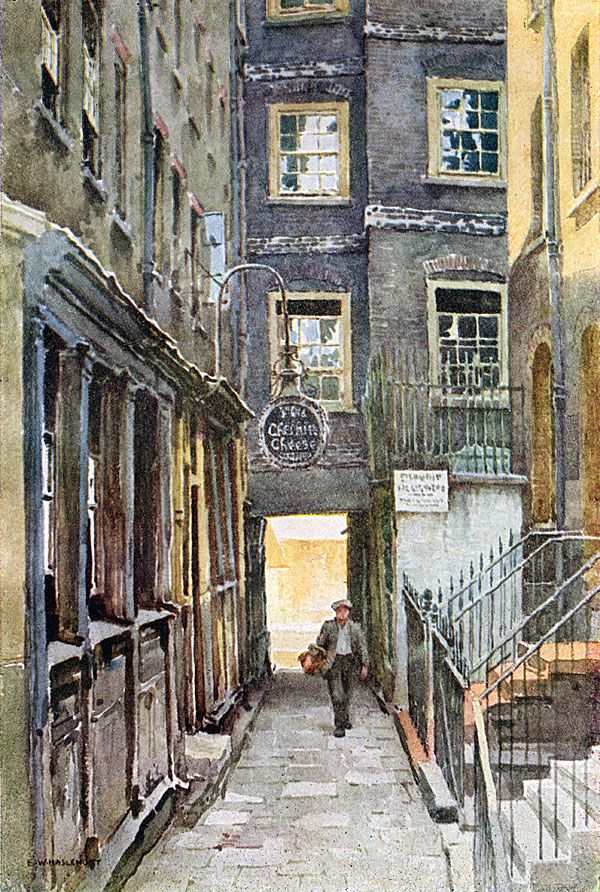
It was once the home of the Excise office, which was responsible for the issuing of licences to sell wine in the city and in 1770 it would have been less cramped than it is today, and the surrounding area was a maze of dark alleys. The neighborhood was densely populated with booksellers along with an assortment of other tradesmen --- wig-makers, watchmakers, mercers and chandlers. The street names are suggestive: Shoe Lane, Wine Office Court, Printer Street, Gunpowder Alley. There were taverns and coffee houses, chop houses and pie shops, and of the taverns, the Mitre, and Ye Old Cheshire Cheese are both situated on Fleet Street. Ye Old Cheshire Cheese Public House is reputed to be the oldest in London with cellars dating back to the 13th century and is situated at the entrance to Wine Office Court. It was rebuilt in 1667 after the great fire of London in 1666. Early in the 20th century, the Cheshire Cheese owned a parrot called Polly whose language shocked even the local newspapermen and was famously mentioned as "The rude parrot of Fleet Street" and when it died in 1926 at the age of forty, it was subject to obituaries in over 200 publications from India to New York. In 1905, Polly escaped and search parties were organised to find her, and even Police Officers were offered gold to find the bird. It was finally caught the same day and returned to the Public House.
There was also a seedy side to the neighbourhood, too. It was well known for its prostitutes, and for the shotgun marriages performed by debt-ridden clerics who were incarcerated in the Fleet Prison. It was often the scene of riots and public protests.
The writer, Oliver Goldsmith appears to have resided at No. 6, Wine Office Court from 1760 to 1762, during which period he earned a somewhat precarious livelihood by writing for booksellers. It was while living in Wine Office Court that Goldsmith is supposed to have partly written the novel "The Vicar of Wakefield," which he had begun at Canonbury Tower. Francis-Gabriel Barraud lived next door at No: 8 Wine Office Court which is now a warehouse.
In Wine Office Court there was a fig tree, planted by the Vicar of St. Bride's, who resided at No: 12. It was a slip from another part of a tree, formerly flourishing, at the sign of the 'Fig Tree,' in Fleet Street. This tree was struck by lightning in 1820, but grafts from the growing stump were planted in 1822, in various parts of England.
Wine Office Court opened up from Fleet Street northwards and turned sharply to the right known as Kings Head Alley with an opening out onto Shoe Lane, where Francis-Gabriel Barraud lived.
Shoe Lane
Shoe Lane or Shoe Alley as it was sometimes called in the sixteenth century was outside the city wall, in the ward of Faringdon Without. It ran north-south, parallel to the course of the Fleet River and until 1869, it was the main route between Holborn and Fleet Street. At its north end, on the west side, was the church of St. Andrew Holborn. South of the church stood Bangor Inn, the thirteenth-century home of the Bishop of Bangor. At it’s south end was a conduit or alley for supplying water built in 1471 into Fleet Street. Shoe Lane was destroyed in the Great Fire of London and rebuilt in the same location. The origin of the name Shoe Lane is not due the manufacture of shoes, but many historians agree that the street was named after a local well called Showelle or Sho-well. It is likely that both the well and the street derived their names from a tract of land named Shoeland Farm. Sholand-Lane and Sholand-welle may have become Shoe Lane and Shoe Well but, whatever the answer, it is clear that the lane dates back to a remote time when this part of London was still agricultural land.
Any mention of Shoe Lane would be incomplete without some mention of the "Cogers' Discussion Hall," formerly at No.10. This debating society—a great resort for local politicians—was founded by Mr. Daniel Mason in 1755, and among its most eminent members were John Wilkes, Judge Keogh, Daniel O'Connell, and the eloquent Curran. The word "Coger" does not imply codger, or a drinker of cogs, but comes from cogito, to cogitate.
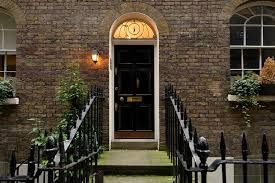
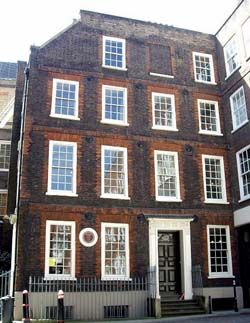
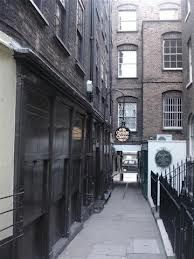
Views of Wine Office Court
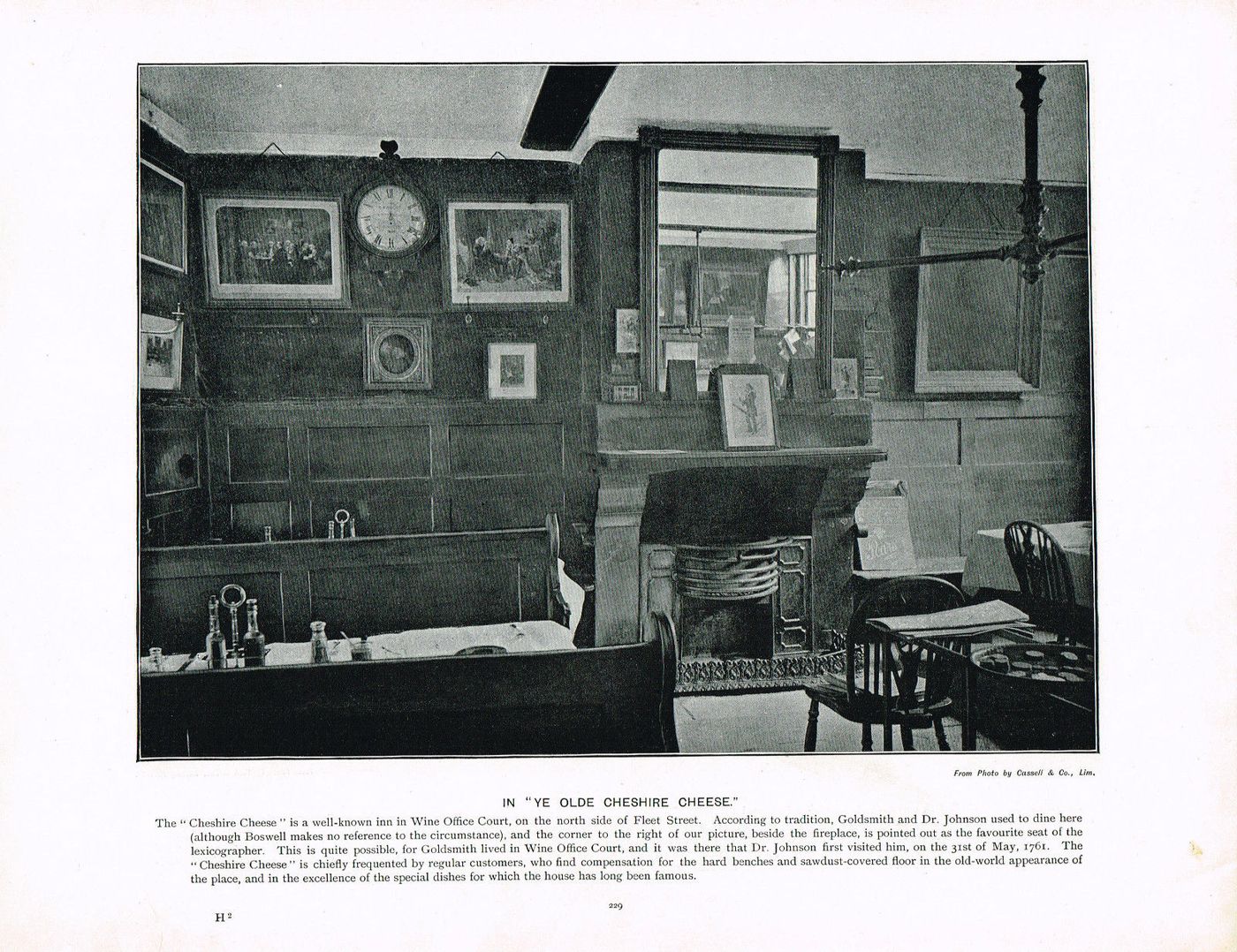
View of the Interior of the "Cheshire Cheese"
“Grace's Guide is the leading source of historical information on industry and manufacturing in Britain and mentions the Company of BARRAUD & LUNDS, Chronometer, Watch and Clock Manufacturers, 12, Bishopsgate Street Within, London, E.C. with the Hours of Business: 9a.m. to 6p.m. Established in 1725 by M. Barraud, a Huguenot refugee who brought to London the skill of his race in clock-making. He was succeeded by his sons and nephews. John Richard Lund joined the firm in 1845, and his sons, John A. and Arthur J. Lund, carried on the business until the death of the former. The firm is the oldest manufacturing house in the trade. The "Old Lobby Clock," for over a century the standard authority for true City time, still marks the entrance to the shop.
Premises: Originally in Wine Office Court, Fleet Street.
Specialities: Fine English Work. The manufacture and importation of Chronometers, Keyless Levers, Half Chronometers, Repeaters, Calendar, and other complicated Watches.
They won the first prize of £300 for Ships' Chronometers, given by Greenwich Observatory.”
Trade card in Banks Collection (D,2.1414) advertises "Barraud, Watch & Clock-Maker, No.8 Wine Office Court, Fleet Street."
Note: I can not find any record of a M. Barraud, nor any record of the Company being established in 1725.
Mary Barraud’s marriage to William Pether
After the death of John Barraud (b 1729), which seems most likely to be the 1st June, 1763 as he was buried on the 8th June, 1763, Mary Turpin re-married on 12th December, 1772 to William Pether. The witness to the marriage of William Pether and Mary Barraud in 1772 was Sarah Turpin, Mary Turpin’s younger sister. Mary Barraud would have been only about 40 years old at the time and would have looked for some security for herself and her seven remaining childen, although John her oldest son was possibly married in 1770 and had started his own family. William Pether was born around 1710, the son of Philip Pether who was a joiner and his wife, Sarah, and christened on the 6th August, 1720.
William Pether first married Catherine Lambell from Chertsey on the 23rd November, 1747, but she died in early 1750 in London and was buried on the 31st January, 1750. William Pether then married Sarah Chandler (a spinster) 6 months later on the 2nd August, 1750 in London. The licence clearly shows he was already a widower and aged 40 when he married Sarah Chandler. William Pether and Sarah Chandler had 4 children, a son George, born in 1752 (baptised 24th September, 1752) who became an organ and harpsichord maker like his father and is mentioned in the directories of London in 1791 and with premises at 61, Oxford Street. George Pether married Lydia Peake on the 20th May, 1776 and he employed several employees and clearly was successful as he took on an apprentice, John Taylor in 1782. He reached his peak in 1794 where he is mentioned in one of the first directories as piano makers.
George Pether is also mentioned in "Bailey's Directory of 1785" as piano forte maker at 16, John Street, London - in 1886-1889 in "Kelly's Directory" as harpsichord and piano forte maker at 61, Oxford Street, London and 1790 in "Wakefields Directory" as harpsichord and piano maker at 9, Berners Square, London.
William Pether and Sarah Chandler's other children were a daughter Mary, baptised on 13th June, 1751, and another daughter, Sarah born in 1754 and baptised on the 11th August, 1754. There was also a son, William who is mentioned in William Pether’s will. Sarah Pether (nee Chandler) died in 1760 and was buried on the 20th July, 1760.
William Pether was a well-known organ maker living in Compton Street, Soho, and is recorded as a metal worker from 1751 to 1775 in "Mechanical Arts, Manufacturers and trades directory" of 1763, and also in The "Organ Builders and Harpsichord Makers" directory of 1763 with premises in Brownlow Street, off Drury Lane in London. He was still living in Brownlow Street off Drury Lane in 1781 with Mary Barraud when he died, but was buried in Southwark.
The National Museum of Washington in the US has a spinet (harpsichord) with 5 octaves made by William Pether of London in about 1750, the upper keys inlaid with ivory and ebony. William Pether is recorded as being in the twelve best organ makers of London.
William Pether died in 1781 aged 50, and buried on the 4th April, 1781. He made a will on 11th September, 1780 (PROB11/1077/55) His death was reported in the London Evening Post on the 6th April, 1781, and an auction took place of "his entire stock in trade" including organs, harpsichords, pianos, timber, "tools of trade" and the sale was advertised in the Whitehall Evening Post on the 26th May, 1781.
Advert:- “Pether William (d 1781): occupiers of his premises organ builder, harpsichord maker. Mr Pether organ builder in Paddington Street, Marylebone - Gent. On his household goods in the now dwelling house only Brick of Mr Pether situate as aforesaid not exceeding fifty pounds. The wearing apparel therein only not exceeding Fifty pounds.
Pether William: occupiers of his premises organ builder, harpsichord maker. William Pether (ii) painter London 10th December 1779. Endorsement to Insurance Policy No. 413266, Ms 12160/30, p.50 413266. William Pether Surrey removed to the dwelling house of Mr Pether, Harpsichord Maker, in Brownlow Street, Long Acre; where the whole contents continue.
The landlord referred to in these two policies is clearly the organ builder and harpsichord maker William Pether as Pether’s address is recorded as Brownlow Street, Drury Lane. The large numbers of endorsements associated with this policy are not recorded. We know from William Pether’s will that he had a son named William and it is likely that the policy holder in this instance is William Pether (ii). The original insurance policy no: 413266, dated 21 April 1779 (LMA, Ms 11936/274, p.150) to which this endorsement refers records William Pether’s occupation as ‘painter’ and it is possible he is the important mezzotine engraver of this name. Other records also confirm that this is the same William Pether.
William Pether (ii), according to several biographies, was born in Carlisle in around 1738, but I cannot find any marriage for William Pether (senior) before 1747 when he married Catherine Lambell. William Pether (ii) had a restless temperament, moving to and from the provinces and finally settling in Bristol by 1805 where he lived in relative obscurity as a drawing master and picture cleaner.
Burckhardt Tschudi or Burkat Shudi, was born of noble parentage in Switzerland on 13 March 1702. He came to England in 1718 as a simple journeyman joiner, and was working independently from 1766 as a harpsichord builder from the establishment of Mr Joshua Lucas, also a harpsichord maker. Shudi was fortunate in obtaining the patronage of Handel; and the making of harpsichords, their tuning and repair especially, being a lucrative business, he soon became quite wealthy. A harpsichord made by him once belonged to Queen Charlotte which is now in Windsor Castle bears the date 1740. Mr. Lucas’s widow Mary carried on the business for a time following Joshua’s death in 1774, and in 1780 a court case relating to the will was brought against her by William Pether which necessitated the making of a probate inventory. In this document, as well as listings of income and expenditure generated by Mary since her husband’s death, there is an inventory of the contents of the house. From her insurance policy, we know that Mary did not insure a separate workshop associated with her premises, so we can only presume that as her concern was a small one, instrument making was undertaken within the house itself.
First – “This Accountant craveth an allowance of the sum of seventy five pounds four shillings paid by her to Mr. William Pether in part of a debt on bond for the sum of one hundred and seventy one pounds which with interest amounted at the time of the deceased death to the sum of one hundred and ninety six pounds thirteen shillings
Also – This accountant craveth an allowance of the sum of thirty seven pounds eleven shillings and sixpence paid for the interest to the first day of February One Thousand Seven Hundred and Seventy Nine on the remainder of the said Mr Pethers Bond –
Clearly then, William Pether seemed to be a comparately wealthy individual to be able to offer a bond to Mr. Lucas, a fellow harpsichord maker. From William Pether’s will, it shows that all his goods were passed to Mary (nee Turpin), his wife on his death. Whether she passed this on to her own children or to William Pether’s children after her death is not known as she made no will.
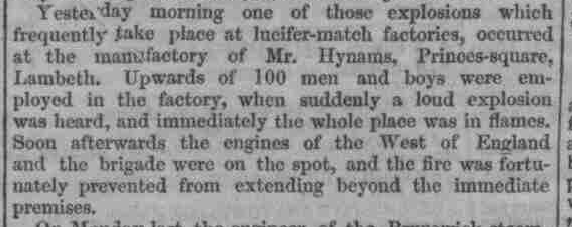
I can find no positive death record for Mary Pether (nee Barraud) in central London and the only records which are a possibility is that Mary Pether (nee Turpin) died in 1781 in Lambeth or 1821 in Princes Square, Lambeth.
If Lambeth became the final residence of Mary Pether (nee Barraud) it at first seemed an unlikely area for her to go, but certainly her husband William Pether was buried in Southwark and, bearing in mind the Barraud connection, it was to Lambeth and Kennington Lane in particular that both Michael Barrand (son of Philip Barraud and Catherine Strang) and Paul Philip Barraud, the eldest son of Francis-Gabriel Barraud made their homes. Certainly, Paul Philip lived with his parents at Shoe Lane in Holborn, and then in Wine Office Court until his marriage in 1782 to Harriet Chapman. Paul Philip Barraud and his family then lived in Kennington Lane until 1802 when he then bought a house and moved to Croydon after the death of his wife in 1798. It is known he bought Park Hill house in Croydon in 1816 and it is in this house that he died in 1820. With moving to Kennington Lane, it is also possible that Paul Philip may have felt some sympathy with his Aunt Mary Pether (The wife of his Uncle John) and may have supported her during her later years in some way.
Name: Mary Pether
Gender: Female
Burial Date: 18 May 1781
Burial Place: St. Mary, Lambeth, Surrey
FHL Film No: 1595090
Reference ID: Item 5
A possible death record of Mary Pether (nee Turpin) but without any age shown
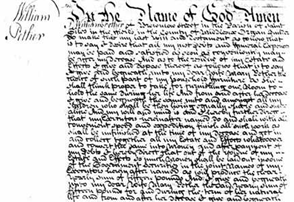
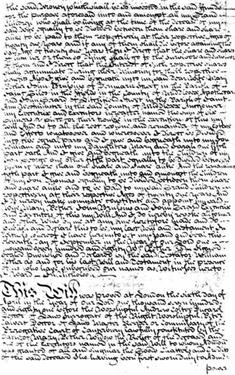

The will of William Pether
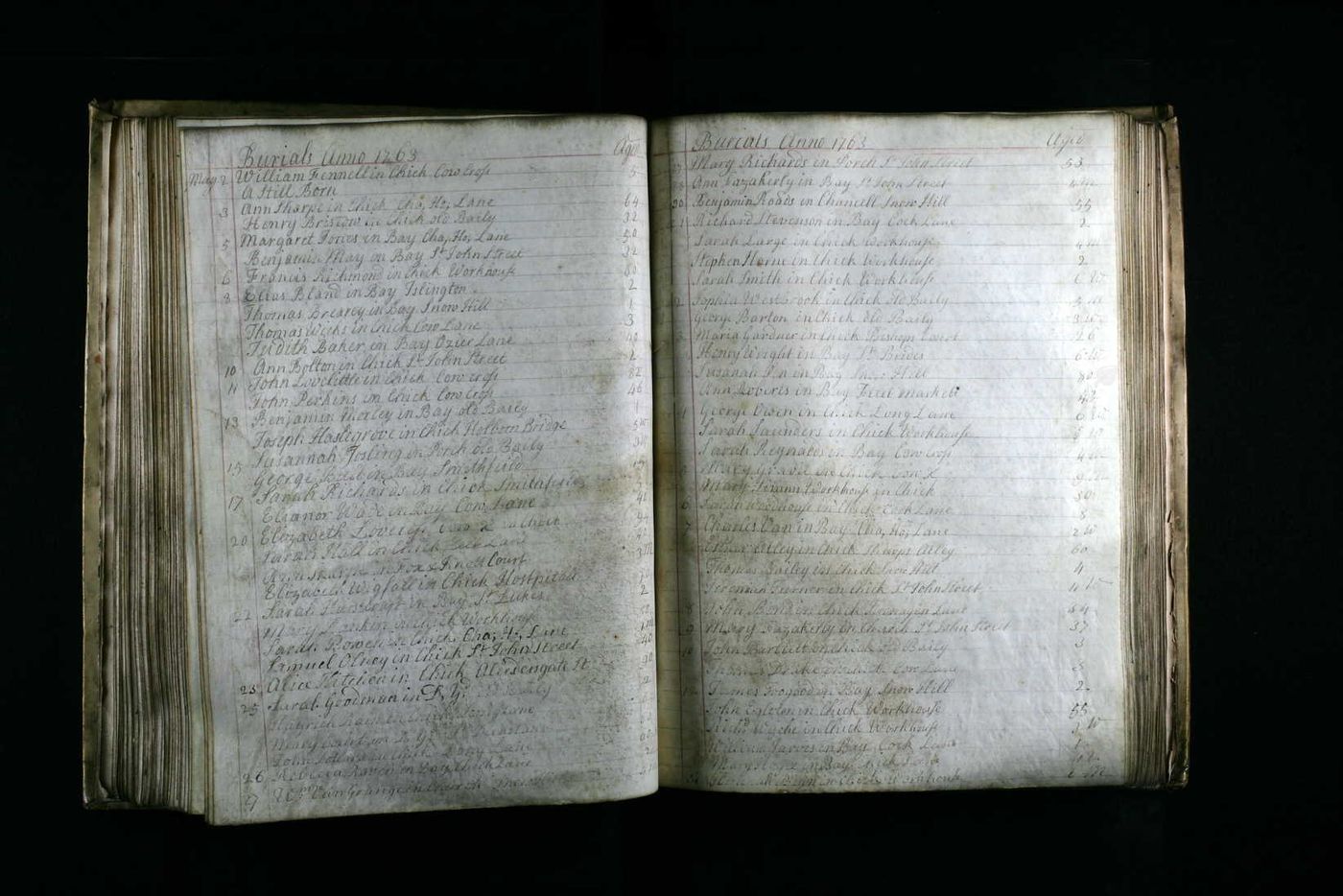
Death record for John "Barrd" (sic)
Transcription - John Barrd, “In Chick” - Turnagen Lane - aged 34
On the burial record of John Barraud, the mention of 'in Chick' or 'in Bay' was confusing but:-.
'St Sepulchre had a large population, and an exceptionally high death rate so, like most city churches had difficulties with finding burial places. The space immediately around many churches, including St Sepulchre in particular was crowded in with development and very soon the existing burial ground became full to capacity and so extra space was required in open ground, due to the number of burials. The church authorities established a separate burial ground in Chick Lane, and the majority of burials from the mid-18th century took place there, thus 'Chick' or 'The Chick'. Some burials (generally the better off though there is no totally consistent pattern) were buried in the Bay, ground which was still available adjacent to the church. The really well-off (or church officials like parish clerks, beadles etc) might be buried in the church itself, thus occasional entries such as 'buried in the left ile' - ile is what is now spelled aisle.' St Sepulchre churchyard ran out of space, so a piece of land in Chick Lane was also used as a burial ground which would confirm these are burial areas.
St. Sepulchres Church, or St. Sepulchres in the Bailey, is seated on the top of Snow hill. It is a very large and spacious Church, with a Towered Steeple, spires at each corner, and weathercocks on the tops. In the Steeple is a ring of eight Bells; and in the Church is a pair of Organs. To this Church there is a large Churchyard both before and behind it; although not so large as of old time, good part being taken away, and converted into Buildings; so that now it is not enough for the burial of their Dead; and the Inhabitants are forced to make use of another large piece of Ground in Chick Lane. (Survey of the City of London + Westminster.)
Turnagain Lane or Turnagen Lane was aptly named as it was a small cul-de-sac and there was no exit at the fleet end, therefore travellers had to “turnagain” to exit.
Turnagain Lane (from medieval records): "Near to Oldbourne Conduit is Turnagain Lane, or rather as in record of Edward III, Windagain Lane; for that it goeth down west to Fleet Dyke, from whence men must turn again the same way they came for there it stopped.
Until the Fleet River was covered over, this was simply a little lane that ran from Old Bailey down to the river bank. There being no bridge crossing at this point, it was impossible to proceed any further and the only option was to return to Old Bailey - or as John Stow inscribed, 'it turneth down to Turnemill brook, and from thence back again, for there is no way over.' In other words it was a cul-de-sac stopped by the river. In the 13th century it was known as Wendageyneslane and then Wind-again Lane and in the 15th century as Turneagayne Lane.
The houses were all old timber erections and some of these standing at the south corner of the lane, were built in the beginning of the 1600s, probably in the reign of James I. The rooms were small, with low, unornamented ceilings, the timber was usually of oak, the gables were plain, and the walls were of lath and plaster.
Old proverb - He must take a house in Turnagain Lane.
This, in old records, is called Wind-again Lane, and lieth in the parish of St. Sepulchre’s [St. Pulcher] going down to Fleet-ditch, having no exit at one end. It is spoken of and to those who take prodigal or other vicious and destructive courses.
In Snow Hill and Turnagain Lane the houses were built very high and close together, the upper part projecting over the lower, allowing very little air or light; some of the houses were of great age and highly detrimental to health: it was a very crowded part of the parish — few places in London having so many houses crowded into the same space — and was made up of narrow courts and alleys, without any road-way. This locality was a base for a colony of thieves and at a time when capital punishment was inflicted for robbery, an execution seldom took place without some one from this spot being amongst the number. Many cases of robbery and offences against the law which have taken place in this neighbourhood years back, might be related.
In this vicinity lived not only "unfortunates," but members of the “mobs and light-fingered gentry”, but the respectable inhabitants and passers-by were seldom molested and it appears to be pretty general that the characteristic of thieves to commit their business anywhere but near home.
In the early eighteenth century a group of aristocratic ruffians nick-named Mohocks took great pleasure in rolling old ladies down Snow Hill inside empty beer barrels. From one publication - "As they neared the foot of the hill, they heard a groaning and stifled crying for help; and, sure enough, they found a buxom woman, the wife of a respectable citizen, tightly wedged into the cask, and much shaken and bruised by her rapid transit down the hill."
At the back of Turnagain Lane stood a block of houses, from four to five stories in height, which were let out to vagrants, thieves, sharpers, smashers, and other abandoned characters. Throughout the vaults of this property there existed a continuous communication or passageway, so that easy access could be obtained from one part to the other, allowing escape or concealment in the event of pursuit which, from the nature of the thieves in practice, very often occurred. The end house of this block of buildings was selected for the manufacture of counterfeit coins, and passed by the name of the "Smashing Lumber." The ingenuity in the construction of the apartments should be mentioned. In the first place, every room had a secret trap door or panel, so that free entrance or exit might be quickly aftected from one place to the other. From the upper storey, which was the workshop or factory, there was a shaft or well constructed, in direct communication with the cellar beneath.
Many circumstances contributed to make this district the resort of thieves and low characters; the Fleet Ditch flowed through the middle of it; though its dark and rapid stream was concealed by the houses built on each side, its current swept away at once into the Thames whatever was thrown into it. In the Thieves' house were dark closets, trap-doors, sliding panels, and other means of escape. In shop No. 3, were two trap-doors in the floor, one for the concealment of property, the other to provide means of escape to those who were hard run; a wooden door was cleverly let into the floor, of which, to all appearance, it formed part; through this, the thief, who was in danger of being captured, escaped; as immediately beneath was a cellar, about three feet square and from this there was an outlet to the Fleet Ditch, a plank was thrown across this, and the thief was soon in Black Boy Alley, - out of reach of his pursuers. The cellar is described as a most dismal filthy place, and the only the light was let in through a small window, or hole, immediately above the Fleet Ditch. In one corner was a den or cellar concealed by a wall smeared with soot and dirt, to prevent detection: this measured about 4 feet by 8 feet. Here, it is asserted, that a chimney sweep, who escaped from the prison of Newgate, a few years since, was concealed for a long time, and kept alive by food which was let down through an opening, made by removing a brick near the rafters.
In a corner on the opposite side, was a small blast furnace, which a gang of coiners had used some years since.
The Georgian Underworld by Rictor Norton. "Our informant, who saw the place in its original state, before it was pulled down states,”
"The most extraordinary and ingenious part of the premises, I consider to be the means of escape. If a prisoner once got within their walls, it was almost impossible to capture him as there were so many outlets and communications. The most active officer had scarcely a chance of taking the thief, if the latter only got a few minutes start of him. There were four means of escape. The staircase was very peculiar, scarcely to be described; for though the pursuer and pursued might only be a few feet distant, the one would escape to the roof of the house, while the other would be descending steps, and, in a moment or two, would find himself in the room he had first left by another door. This was managed by a pivoted panel being turned between the two. A large room on the first floor back, is said to be the place where the abandoned inmates held their nightly orgies, and planned their future robberies. From the upper room, there were means of escape, by an aperture made in the wall, leading to the house No. 2, containing no less than twenty-four rooms, with four distinct staircases. Here, also level with the floor, was a shoot or spout, which remained covered, except when required, about two feet in breadth and three feet in length, by which goods could be conveyed to the cellar in an instant. Immediately behind the premises just described, stood a dilapidated building, lately used as penny lodgings, where men and women slept promiscuously. Scenes commonly occurred here in the middle of the day in the public street, before this house, too gross and revolting to be described."
If someone’s clothes were stolen, the first thing they would do was go to the shops that sold old clothes in Chick Lane, where they were sure to find them. John Price, the official Executioner at Tyburn who was himself hanged in 1718 for violently raping and killing a woman, sold the clothes of the persons he executed to the brokers in Monmouth Street and Chick Lane, and used the money to get drunk: ‘
There was a hill off Chick Lane where up to fifty men and women would sit together, smoking their pipes and drinking. By the 1740s many of the men had been apprehended by the law, and the people who congregated there were mostly loose women who generally made pests of themselves to any gentlemen passing that way, and who dared anyone to arrest them. The character of Chick Lane did not improve over the course of the century. One night in September 1758 the pistol-carrying gang of robbers Robert Bridges, Andrew Socket, William Gibbs, John Brinklow and John Curd went out together from Chick Lane to rob people in the streets; they knocked a man down with a stick in Ludgate Street and took his hat, shoes and buckles, which their companion Ann Finn sold to the Jewish pawnbroker Gabriel Lazarus and they divided the money between them.
Another trial in 1759 reveals that the prostitutes of the neighbourhood would stand outside the Chequers alehouse in Chick Lane, in groups of two or three, and grab drunken men by their coats and offer them sex, then bring them to a ruinous old house opposite the Chequers, upstairs to a room where the panel of the door had been broken in, where they had sex and then robbed them. One of these women, Anne Bennet, who scraped together a living by buying and selling old clothes, was easily apprehended by the constable, because he knew that she went to the Chequers every evening at 9 o’clock for her daily dinner of bread and cheese. The reputation of the area remained the same throughout the century. The London Chronicle regularly reported the activities of ‘the Black-Boy-Alley Ladies’. For example, in June 1764 two of the Black Boy Alley Ladies picked a gentleman’s pocket of his gold watch in Chick Lane, and when they were arrested and taken to Wood Street Compter, as they were being conveyed thither, they managed to pick the constable’s pocket of his handkerchief.
Holborn Viaduct marks the furthest point which the Fleet Canal reached. Further north it was just known as the Fleet River as the tides could only reach this far, most of which was open waterway until the 1820’s. The Fleet River was once a site of wharves and docks as is reflected in nearby street names such as Sealcoal Lane where barges from the North East unloaded their coal.
In its latter years, the Fleet became little more than an open sewer, filled with mud, filth, tripe, rotting vegetables, along with human and animal excrement, and the locality was given over to slums due to the undesirable odours. The river was described as “a common dunghill” and the modern Farringdon Street was built over it in 1737, with the Fleet Market consisting of a central row of shops opening for the sale of meat, fish and vegetables. Charles Dickens described the market, in unflattering terms, in his novel Barnaby Rudge, set in 1780: Fagin's house was over yonder, in or near Chick Lane; Dickens took care not to indicate the exact spot. Do you remember the Three Cripples public-house on Little Saffron Hill? It was there Mr. Sykes had an altercation with his dog, and Noah Claypole and Charlotte put up when they came to London.
"Fleet Market, at that time, was a long irregular row of wooden sheds and houses occupying the centre of what is now called Farringdon Street. They were jumbled together in a most unsightly fashion, in the middle of the road; to the great obstruction of the thoroughfare and the annoyance of passengers, who struggled to make their way, as they best could among carts, baskets, barrows, trucks, casks, bulks, and benches, and jostled with porters, hucksters, waggoners, and a motley crowd of buyers, sellers, pick–pockets, vagrants, and idlers. The air was perfumed with the stench of rotten leaves and fruit; the refuse of the butchers’ stalls, and offal and garbage of all kinds. It was indispensable to most public conveniences in those days, that they should be public nuisances
In old London town, there were three ways to buy the things you wanted: shops, markets or street traders. The street traders had their own routes, and they used to shout out their wares and this became known as the Cries of London. The earliest of London’s cries doesn’t belong to a trader at all, but the nightwatchmen. Not only did they police the lighting of the streets, they were also a reliable clock for Londoners. Every half an hour, the watchman would call out the time and the weather suggesting that the English obsession with the weather is no new invention.
The most easily recognizable cry was the orange-seller, made famous by the darling Nelly Gwynne.
Also the Penny Pieman is a London legend. The City pie trade was reckoned in hundreds of thousands of pounds per year and London’s favourite pies were beef, eel, or kidney and meat puddings in suet crusts. The pieman was able to sell hot pies because he had a base with an oven, from which he travelled with his pies in a tin box with a fall front (which had been heated in the oven as well), encased in a leather harness, making him look like an ice-cream seller at the cinema. After making your choice, the pie came in a piece of newspaper. If you wanted gravy, you made a hole in the top with your finger and the pieman would pour gravy from a bottle he carried with him (which you then ate with the spoon you carried in your pocket). When his stock began to cool, the pieman returned to base for more pies, or more heat.
Strawberry and soft fruit sellers were everywhere during the summer months, and had to cash in the on the brief window offered by the English climate. This was a trade dominated by women, and pretty girls in particular, who spent a great deal of time making ‘pottles’an early version of a punnet which was thin wicker cones with a loop handle, into which they packed their strawberries.
The vegetable man and his donkey or ‘little moke’, its back laden with bags, was a common sight. There was no fixed cry for the vegetable seller, as his shouts varied with his stock, which would include cauliflowers, asparagus, potatoes, carrots, beans, peas, parsnips, leeks and turnips, amongst other things.
London’s milkmaids were famous, and rightly so. Most milkmaids came to London from the West Country or Wales with the breeding cattle brought to the London markets. Families set up ‘milking parlours’ throughout the city, including one in the Strand where the cows were lowered into a cellar where they were kept and milked for a time, before being sent back to the pastures to the north, and the next shift of ‘girls’ brought in. One milkmaid recorded her daily route and the results are astonishing: 19 miles. Milkmaids are famous for their pretty skin, and this was largely because many of them had acquired immunity to smallpox through milking duties. As milk delivery was a daily occurence, many milkmaids ran slates or credit for their customers, proving they were to some extent both literate and numerate, and also hard enough to call in a debt.
The Old Clothes Man is another famous London character. Dealers in old clothes were usually Jewish and they offered ready money for clothing that was no longer wanted, or worn out, which they then sold onto others who could use it, for industrial or recycling purposes.
Other street traders included the mouse-trap man, the water-carriers, the knife grinder, the ink seller, the muffin man, the egg girls, and the earthenware sellers, but there is one class of street seller who sticks even in the modern mind: the fishwife. Described even in Georgian London as ‘boisterous’, they literally carried their shops on their heads, and their storehouse is ordinarily Byllingsgate or Ye Brydge Foot; and their habitation was around Turnagain Lane…They set up every morning their trade afresh. These women were very specialized, selling eels, herring, white fish, crabs or other small shellfish.
Old Chick Lane (Or West Street–on Horwoods Map) debouched into Field Lane. The beginning of its destruction was in 1844. The notorious thieves' lodging-house here, formerly the "Red Lion" tavern had various cunning contrivances for enabling its inmates to escape from the pursuit of justice. Fleet Ditch lay in the rear, and across it by a plank the vagabonds often ran to conceal themselves in the opposite knot of courts and alleys. The houses were situated in West Street, formerly called Chick Lane; it is supposed that they were built in the year 1683, by a man named McWaullen, or McWelland, chief of a tribe of Gypsies; these buildings went under the name of the Red Lion, but this was only a nom de guerre, to conceal the real character of the place, its true purpose was to be a rendezvous for thieves, and a depot for stolen property: the buildings behind were used as stables, where the horses were kept in constant readiness; these horses were always selected for their speed and breeding;- and among the inhabitants have been at different times, Jonathan Wild, Jack Sheppard, Jerry Abershaw, and Richard Turpin.
From accounts of the area, the path John Barraud would have taken to get to Shoe Lane or Wine Office Court is as follows: "Then the High Street turneth down Snor Hill (Snow Hill), to Oldbourn Conduit, and from thence to Oldbourn Bridge. Beyond which the Bridge on the Left hand is Shoe Lane, by which Men pass from Oldbourn to Fleet Street, by the Conduit there."
This old text from 26th March, 1577 explains how the Lambs Conduit got its unusual name:
"One William Lamb, citizen and clothworker, born at Sutton Valence, Kent, did found near unto Oldbourne a faire conduit and standard; from this conduit, water clear as crystal was conveyed in pipes to a conduit on Snow Hill". The conduit was taken down in 1746.
Holborn:
A street running east/west through central London, named after the Hole-bourne (the stream in the hollow, also known as the River Fleet) which flowed through the area from north to south, to the Thames.
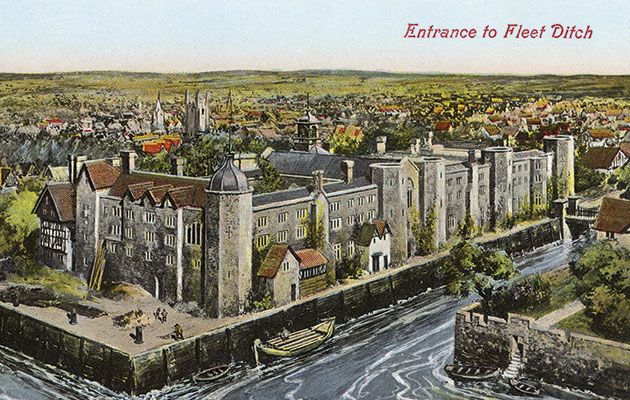
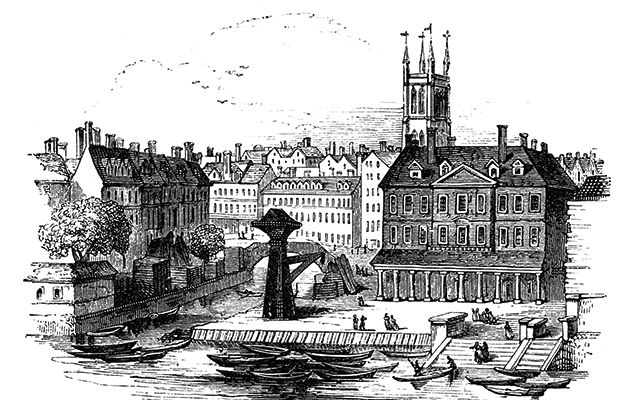
Fleet ditch 1749
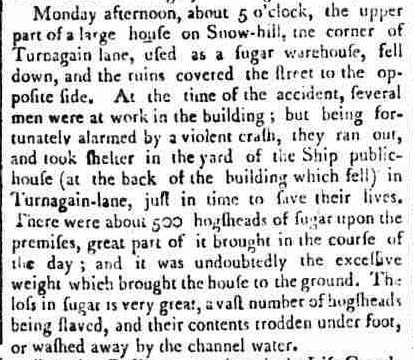
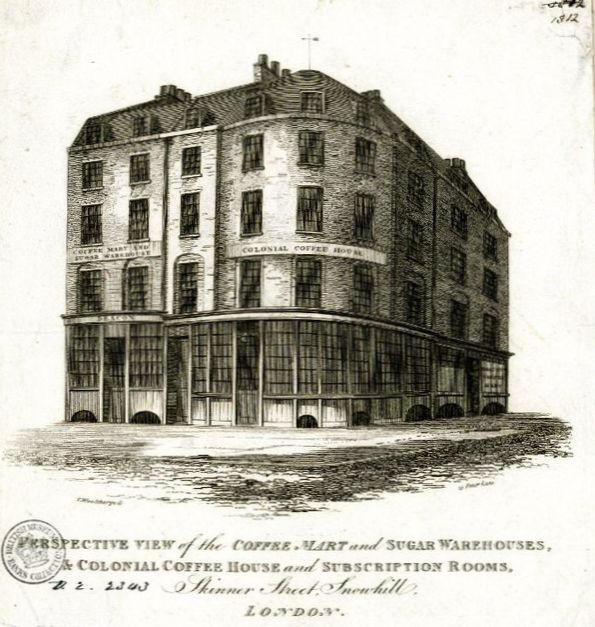
Ipswich Post – Wednesday 30th January, 1755 Sugar warehouse – Snow Hill
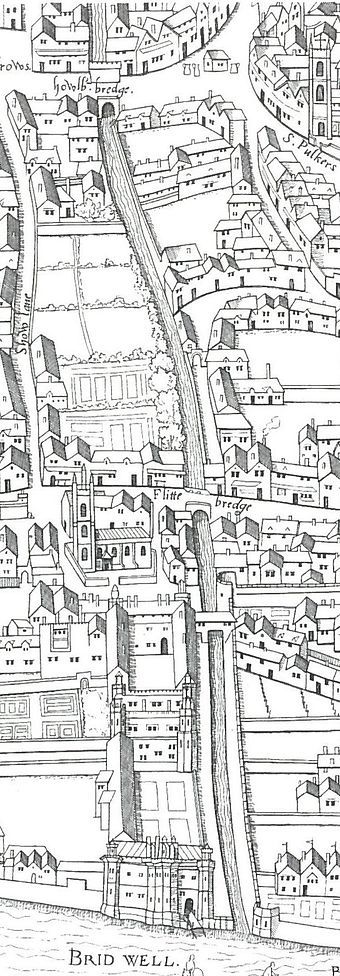
Shoe Lane Turnagain Lane Snow Hill
Holborn Bridge Thames Fleet
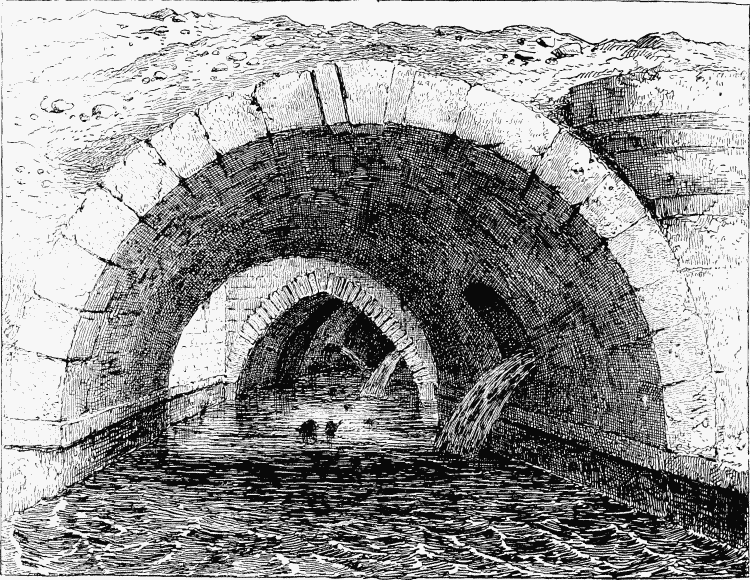
Remains of Old Holborn Bridge
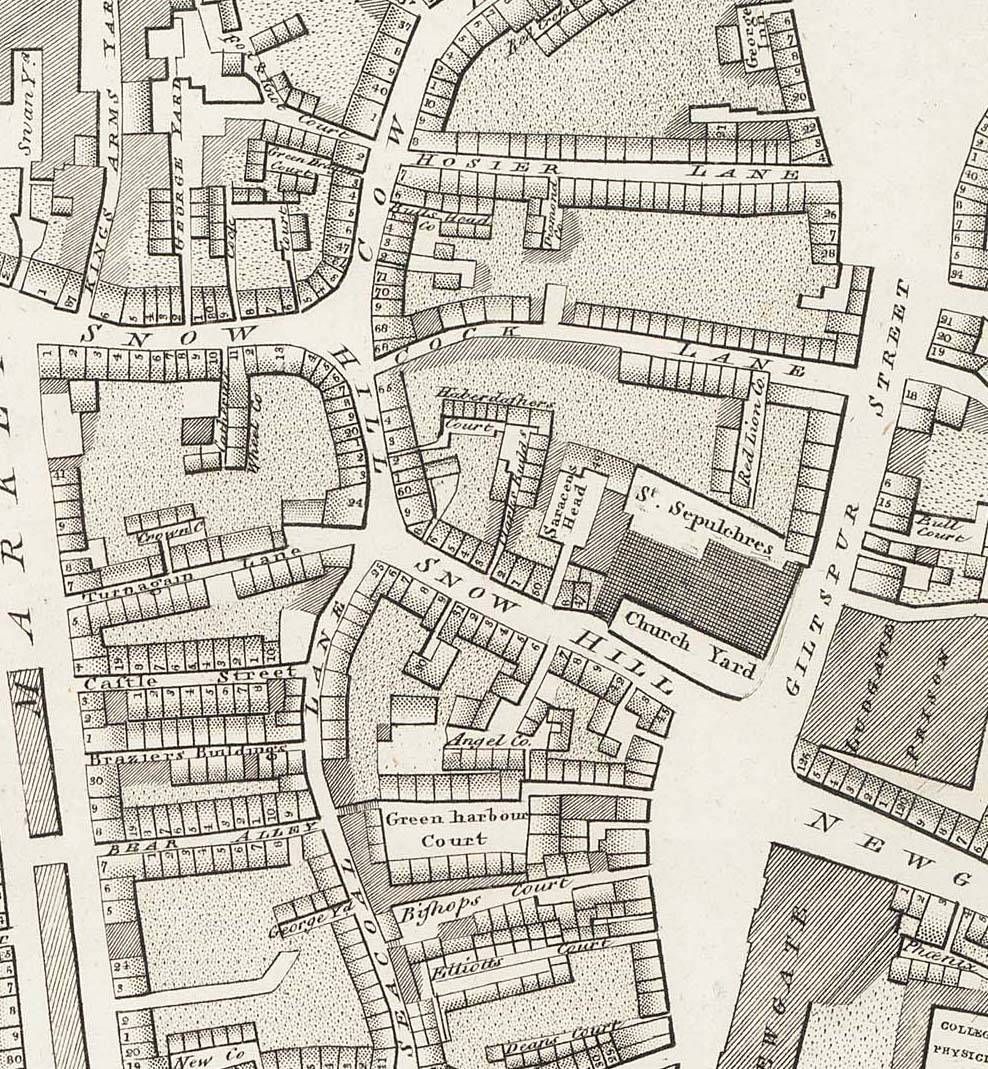
Turnagain Lane and St Sepulchre’s Church Richard Horwood map of 1799
William Pether
mentioned in the record of William Pether and Catharine Lambell
| Name: | William Pether |
| Spouse's Name: | Catharine Lambell |
| Event Date: | 23 Nov 1747 |
| Event Place: | Chertsey, Surrey, England |
Indexing Project (Batch) Number: M06798-2 , System Origin: England-ODM , GS Film number:1042341
IGI Record of William Pether's marriage to Catherine Lambell 1747
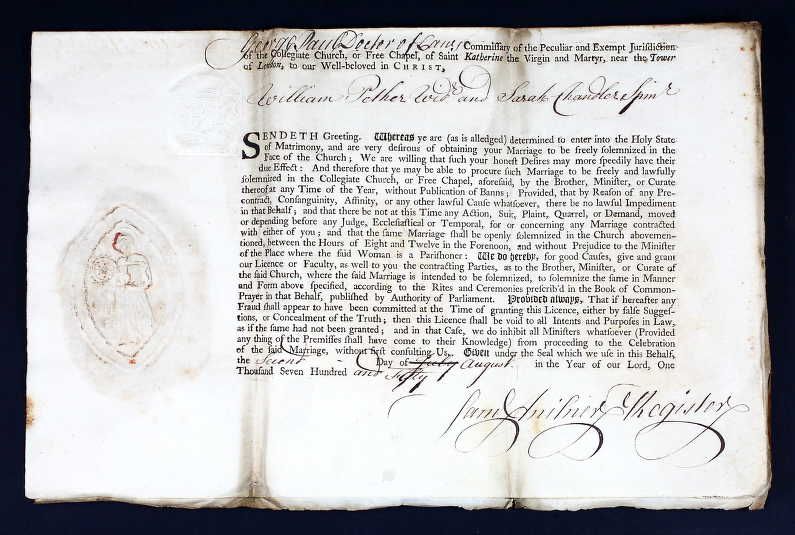
Licence of marriage of William Pether and Sarah Chandler on the 2nd August 1750 which also shows that William Pether was already a widower.
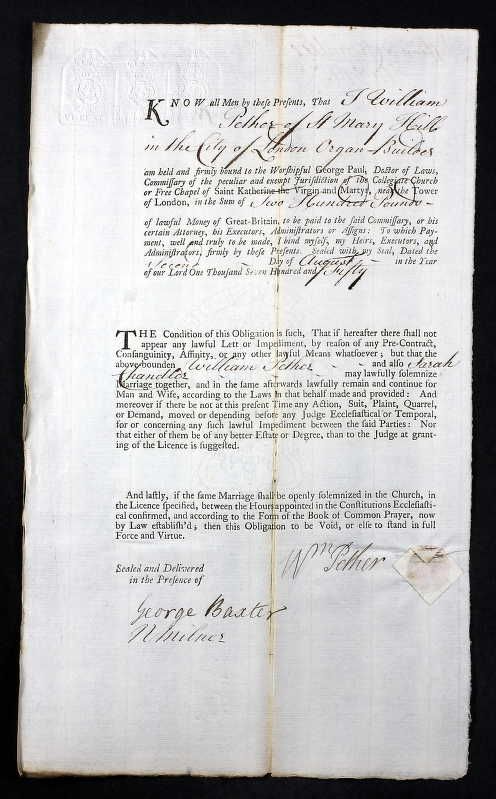
Bond of William Pether's second marriage to Sarah Chandler 2nd August, 1750
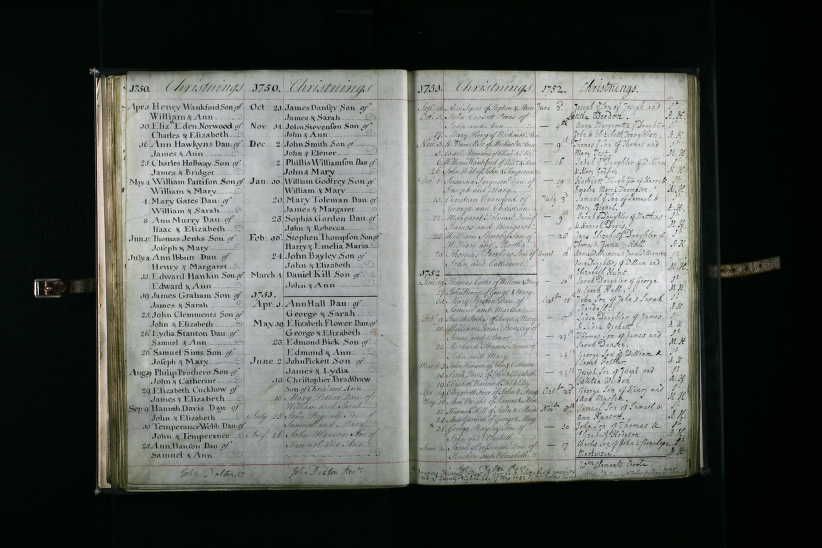
Baptism records of both George Pether and Mary Pether.
MARY BARRAUD Female
Event(s):
Marriages:
Spouse: WILLIAM PETHER
Marriage: 12 DEC 1772 Old Church, Saint Pancras, London, England
Source Information:
Batch No.: Dates: Source Call No.: Type: Printout Call No.: Type:
M047936 1754 - 1793 0598178 Film 6900164 Film
The IGI Marriage record of Mary Barraud & William Pether
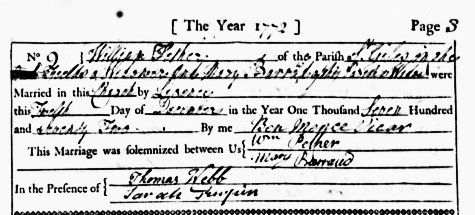
Parish Register of the marriage of William Pether & Mary Barraud showing Sarah Turpin as witness.
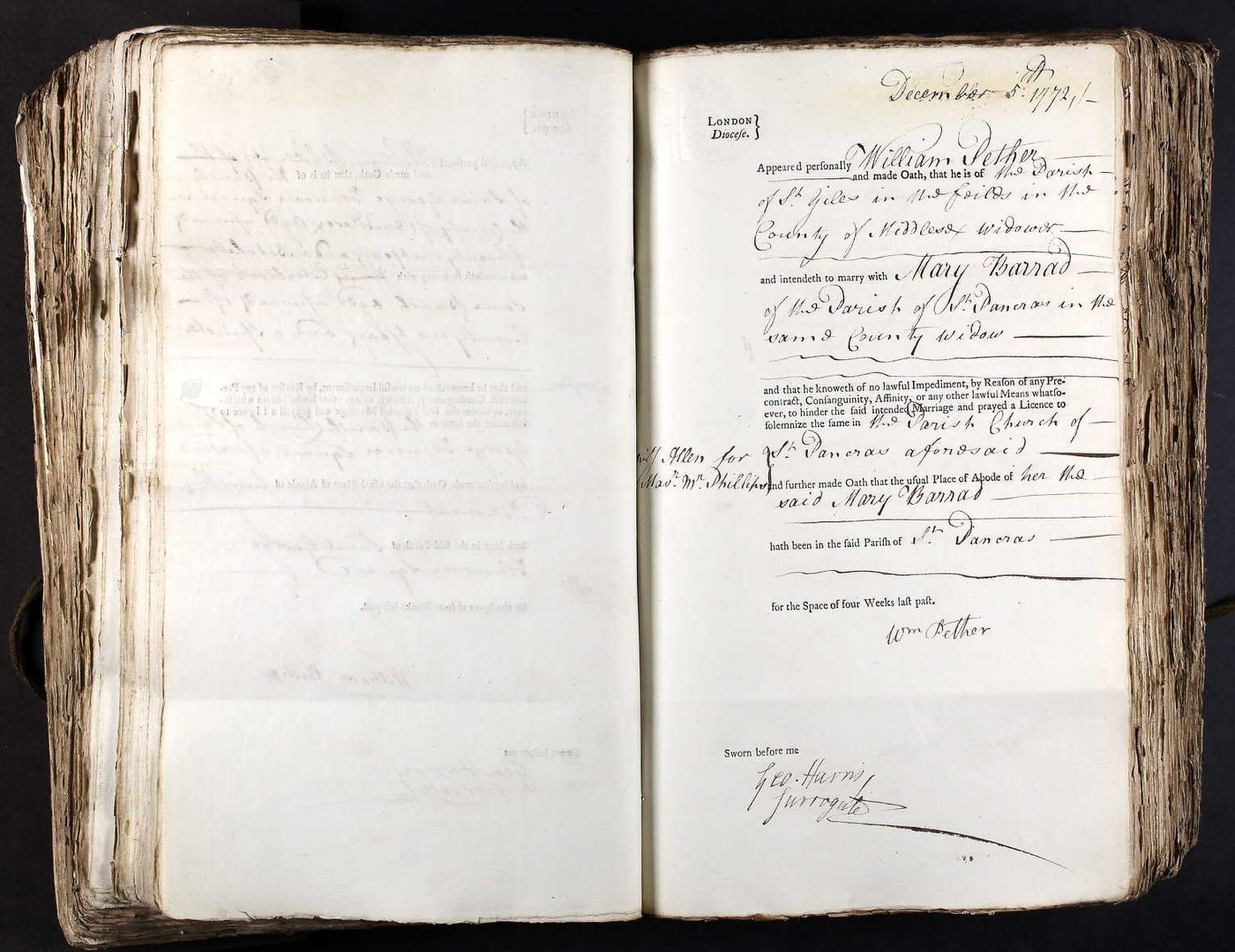
Allegation of the marriage between William Pether and Mary Barrad (sic) 5th December, 1772
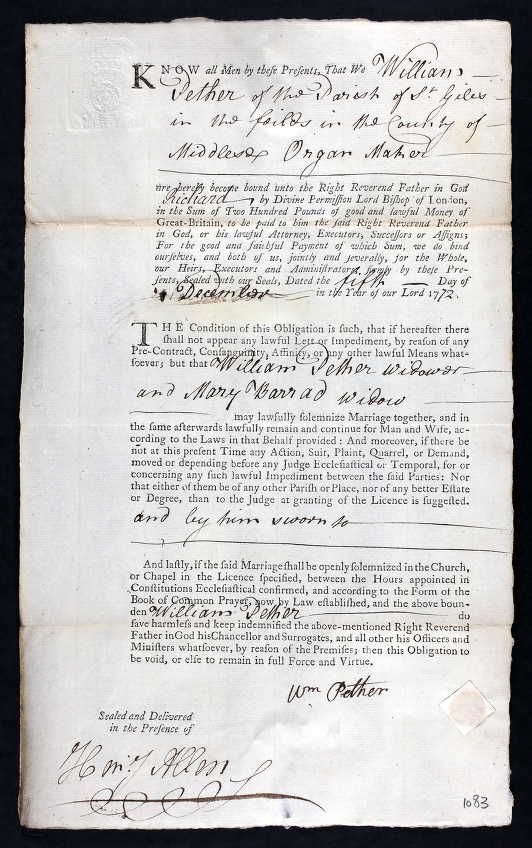
Licence for William Pether and Mary Barrad (sic) to be married 5th December, 1772
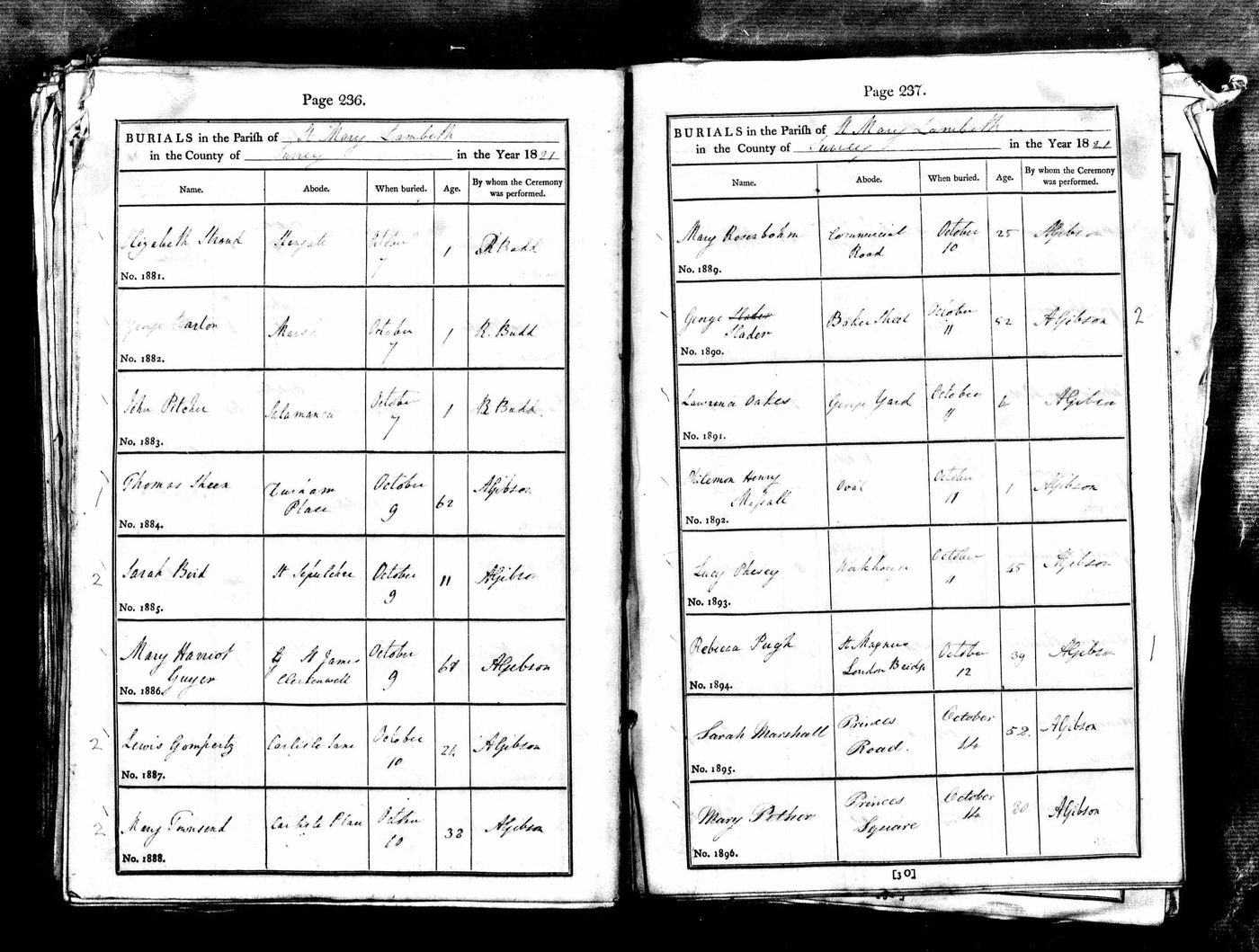
Burial Record of Mary Pether’s death in Lambeth 1821 (Princes Square)
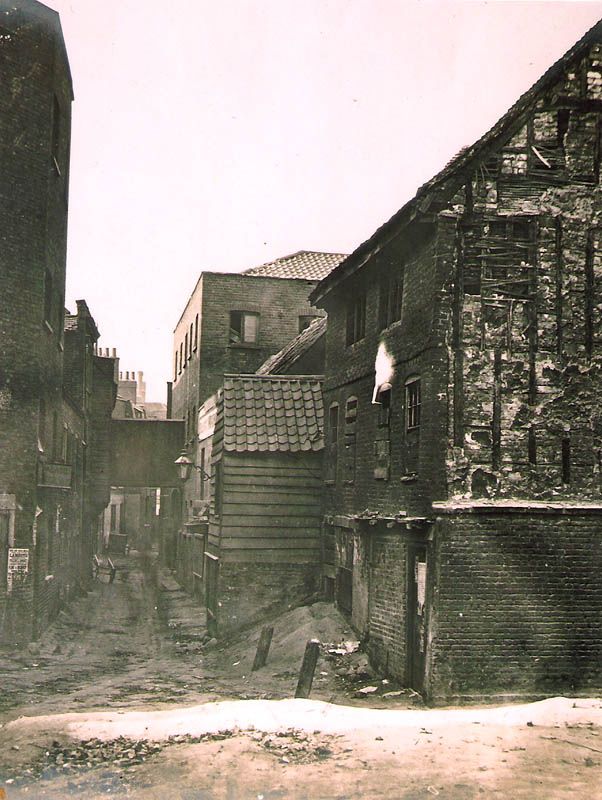
Photograph of Lower Fore Street looking towards Princes Square.:
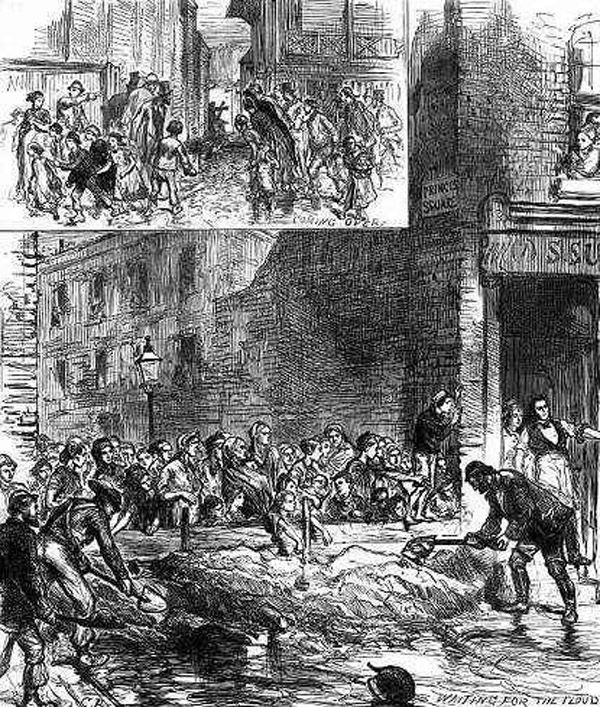
Building a barrier against the tide in Princes Square, Lambeth.
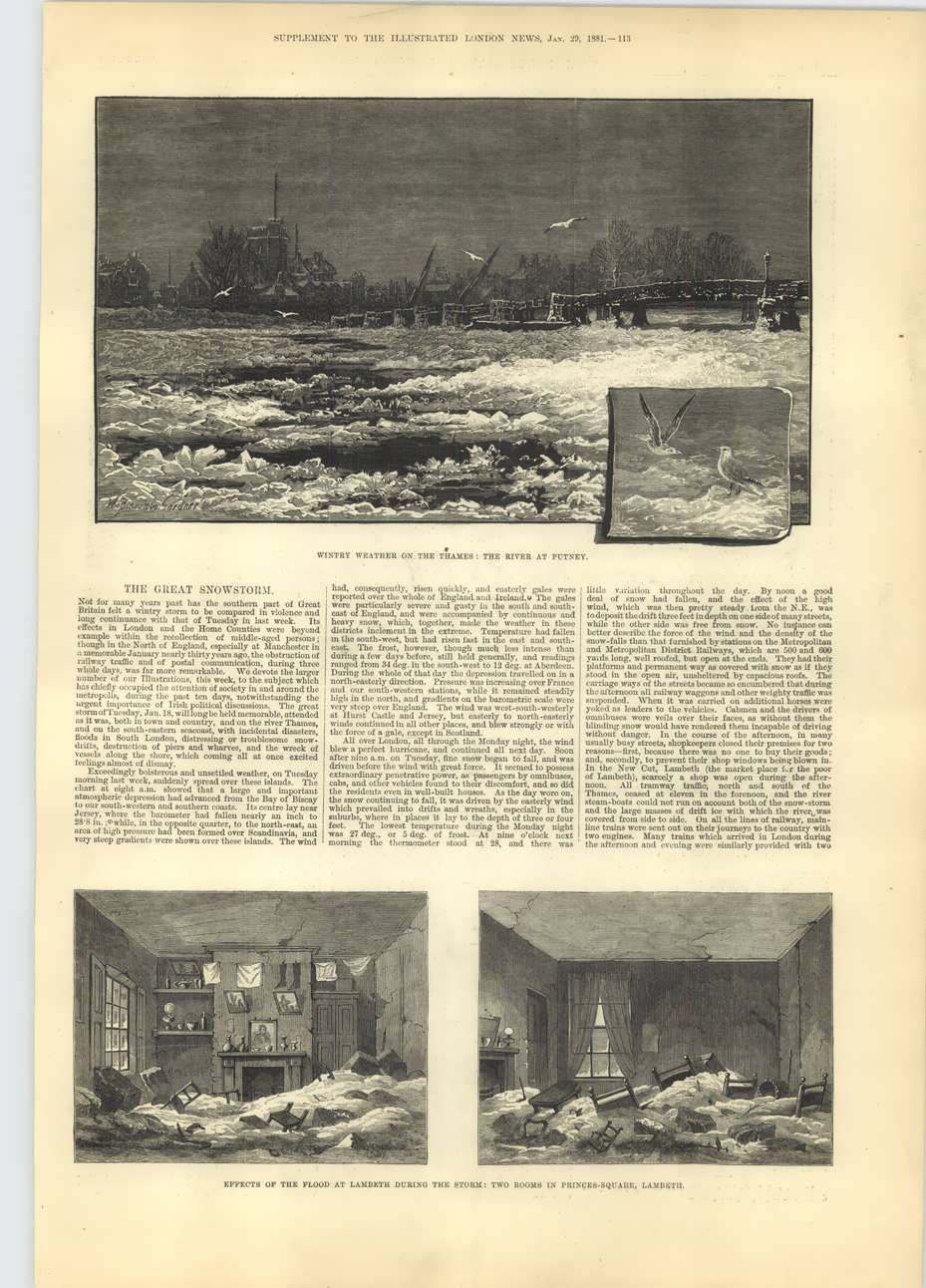
Effects of the flood at Lambeth during the storm: two rooms in Princes Square, Lambeth
The whole area of Lambeth, which was built on marshes, and especially Fore Street and its neighbourhood, became flooded with the spring tides every year. Above we see the residents of nearby Princes Square building an improvised barricade to try to keep the sewage-laden flood water out... It didn't work: Feelings of apprehension and dread again and again rose with the tides, and subsided with the muddy waters as they found their way back into the old channel or sank through the soil. The public have settled down with a sense of relief; and the suffering people returned to rekindle their extinguished fires and clear away the mud and debris from their houses; to reconstruct their wrecked furniture, dry their clothes and bedding, and live on as best they may under this new phase of nineteenth century civilization. In woeful contrast to this interior was another, a few paces further on, occupied by a widow, her son, and daughter. In no land, savage or civilized, have I seen a human abode less attractive and more filthy. The mother, who goes out "charing," had seemingly neither the time nor the opportunity to render her apartment habitable. It was at her own invitation I followed her, as she said she had something to say to me. At a loss to conjecture what her communication might be, I made my way along a dark passage to a small doorway, and stepping over an accumulation of turnip-tops and mingled garbage, entered a room measuring about eight feet by ten feet. The walls were begrimed by smoke, and such portions of the floor as were seen were black and damp. The tidal overflow had registered its rise by partially cleansing the walls to a height of four feet, and by leaving the paper hanging in mouldy bags around. In one corner stood the remains of six sacks of coal and coke, "the gift of a good gentleman." On a dark unwholesome bed lay a heap of ragged coverings, bestrewn with some articles of tawdry finery, and on one corner sat a little girl, whose bright dark eyes shone through a mass of matted hair. A broken chair was propped against the wall, near a chest of drawers warped and wasted by the water. The fire burned with a depressing glimmer, as fitful gusts of foul air found their way through a heap of ashes on the hearth: over the mantelpiece hung a series of small photographs, making up the collection of family portraits of husband and children who had passed away. The widow said “As for myself, I have never felt right since that awful night, when with my little girl I sat above the water on my bed until the tide went down." Street Life in London - by J.Thomson and Adolphe Smith
Between 1800 and 1830, cheap ill-drained housing was built on the low areas of Lambeth Marsh and rapidly led to a spate of cholera epidemics. During four months in 1849, in just two streets, 544 people died of cholera.
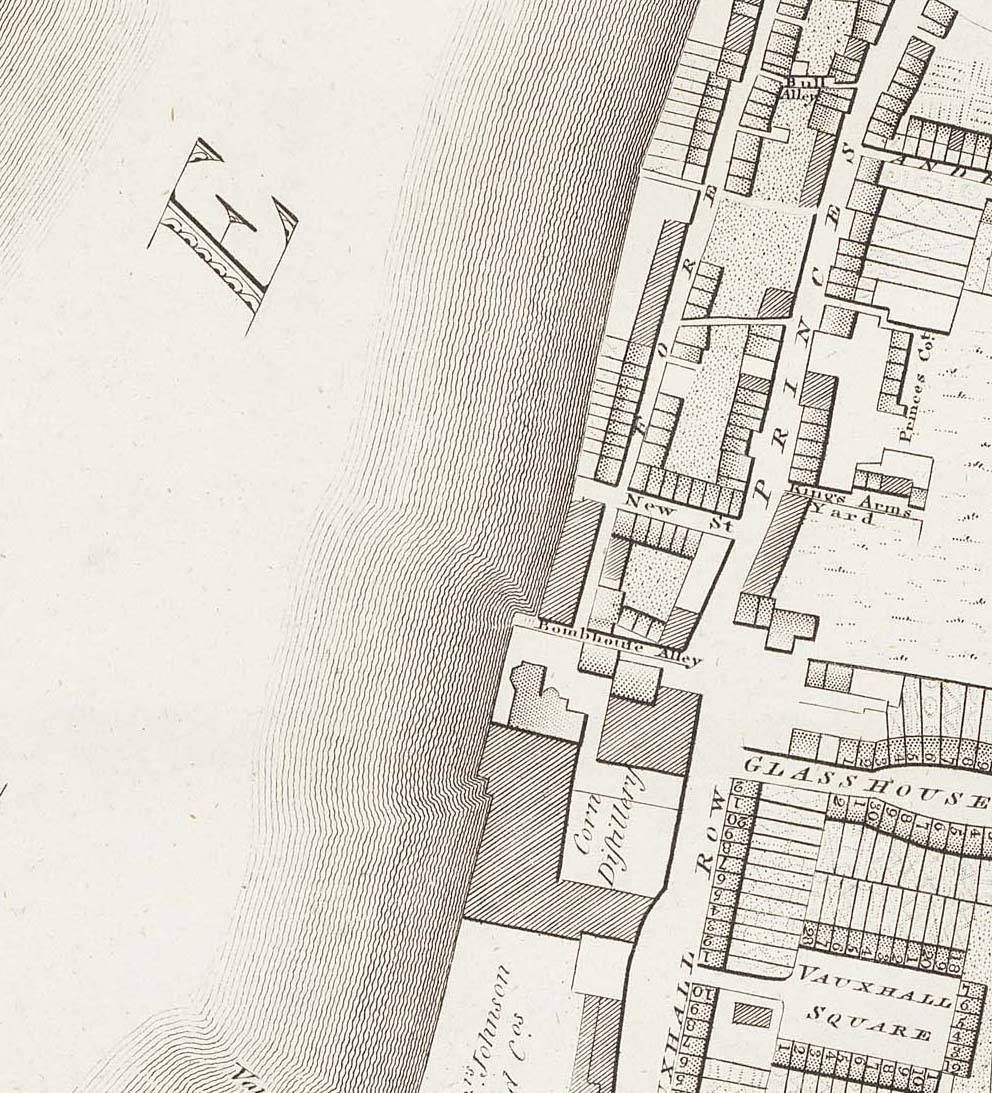
Fore Street, and Princess Square where Mary Pether/Barraud (Turpin) died in 1821.
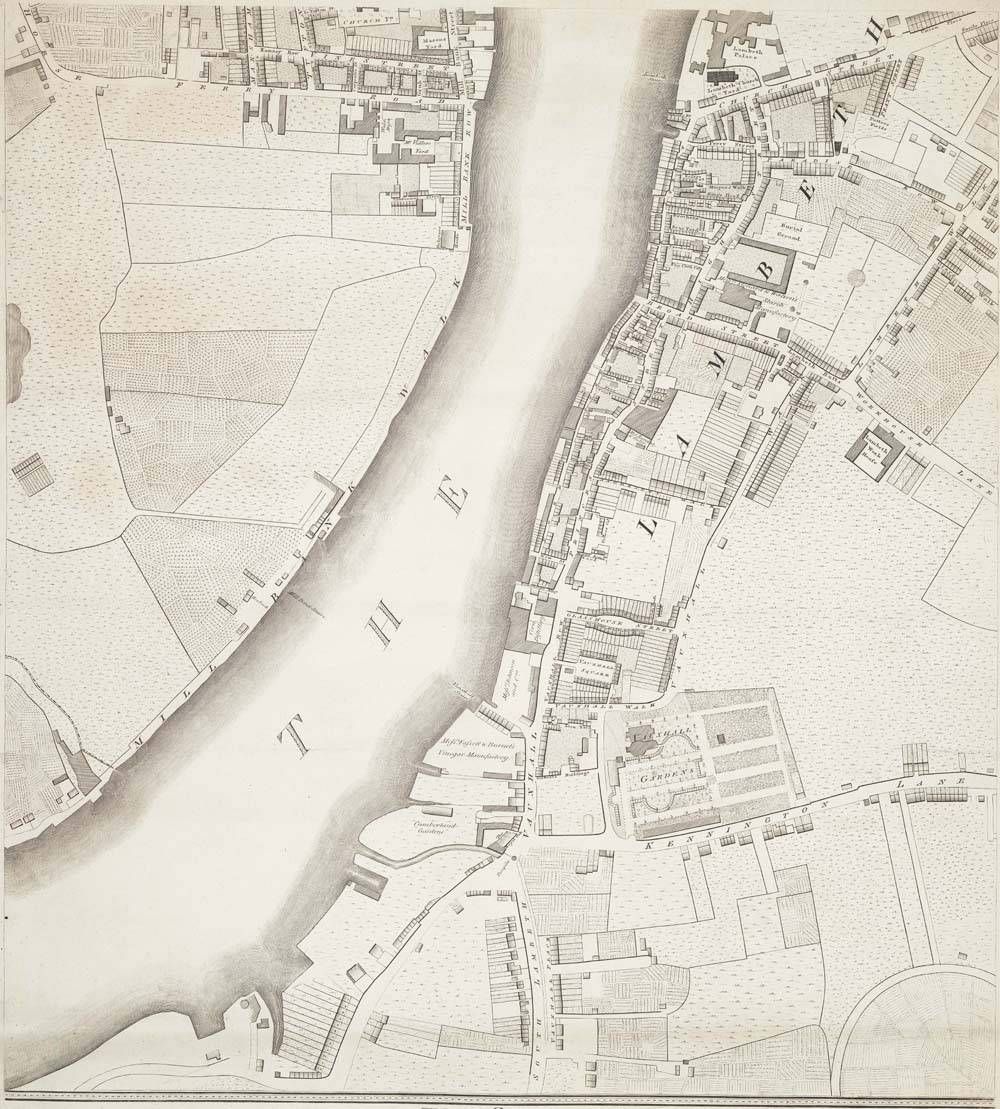
Lower Fore Street, and Princess Square where Mary Pether/Barraud (Turpin) died in 1821
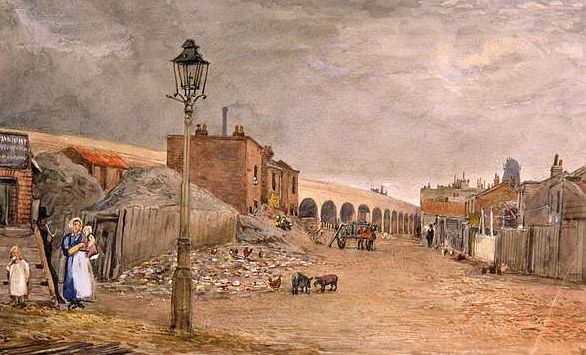
This painting of Lambeth is dated 1848 and shows the new railway arches.
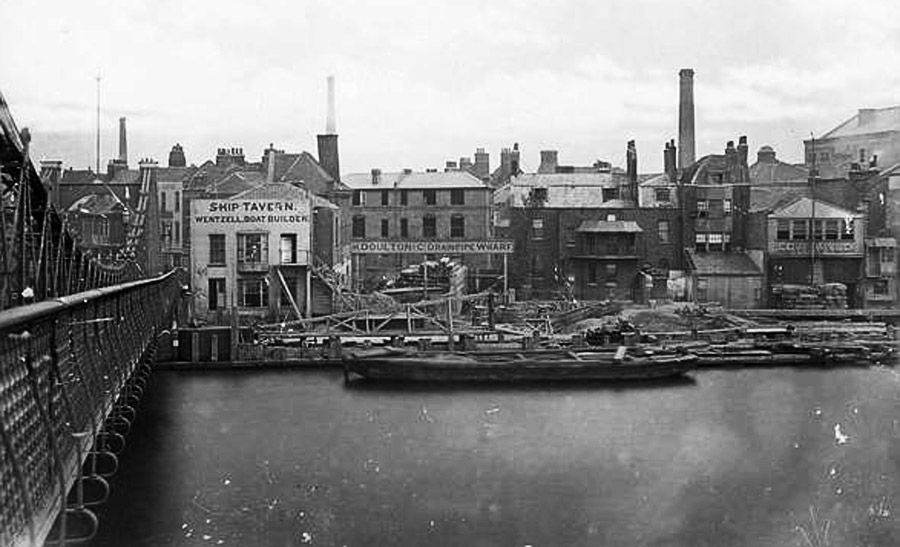
Shoreline of Lambeth showing Fore Street.
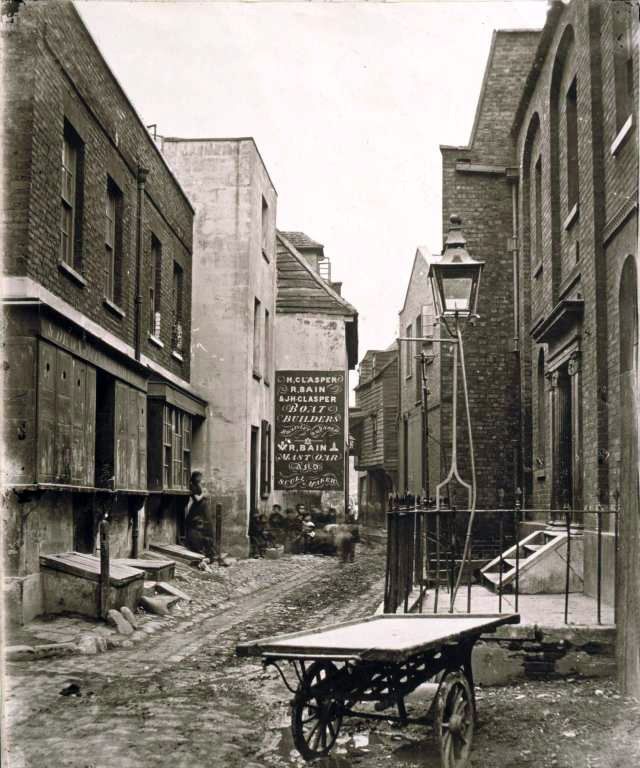
Lower Fore Street from Princes Square looking south in about 1860
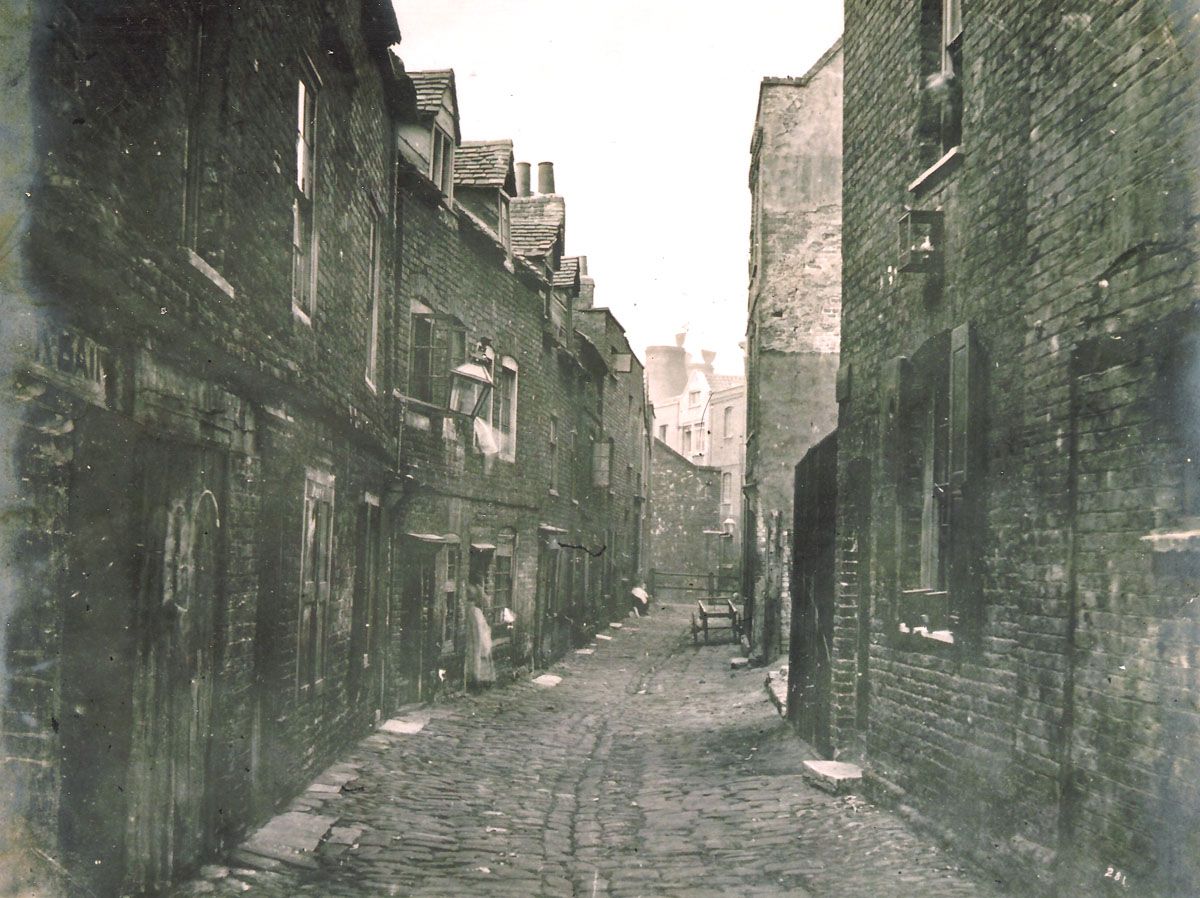
Lambeth Archive has the above picture identified as Lower Fore Street
photo is
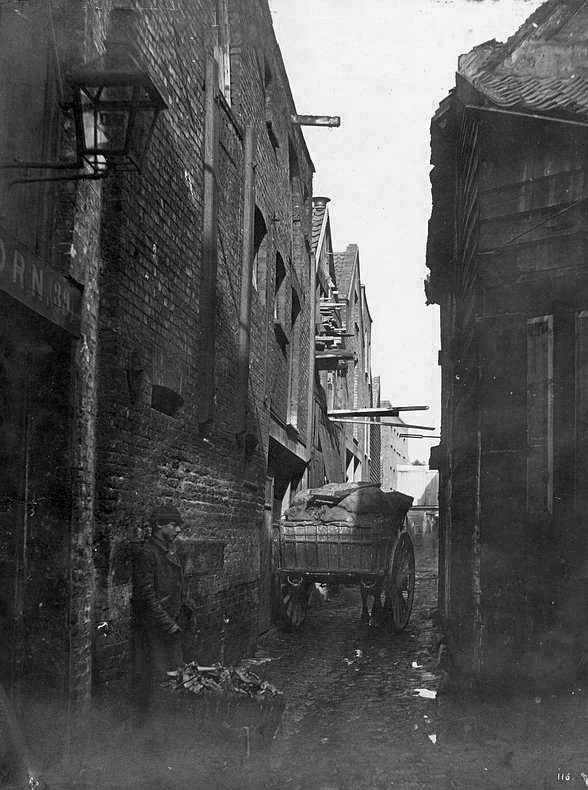
One of the alleyways in Lower Fore Street about 1860
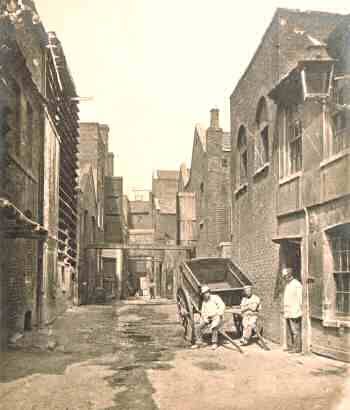
Fore Street 1860
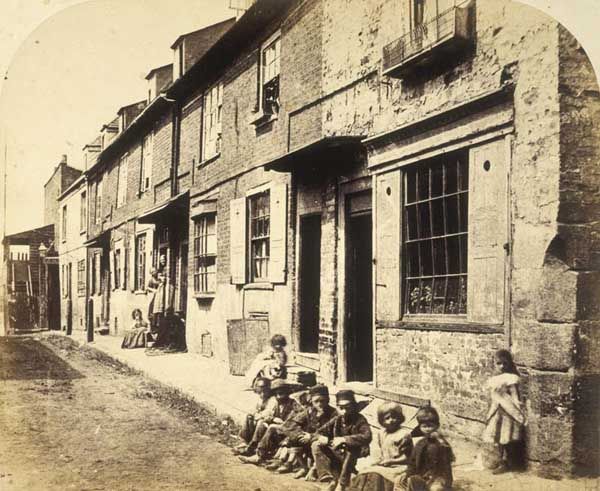
Princes Street, Lambeth, c.1865 with Princes Square to the far end.
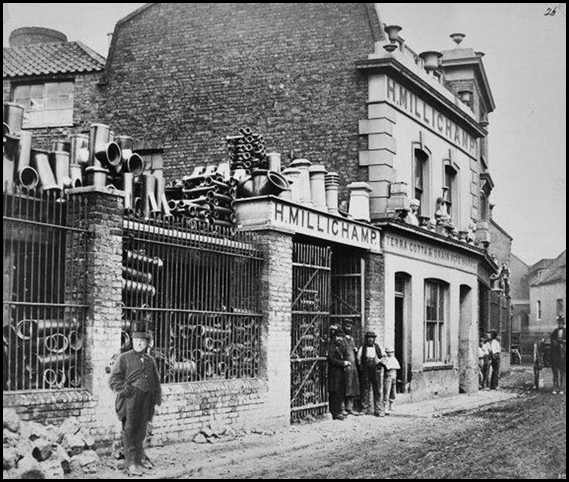
Princes Street, Lambeth 1865
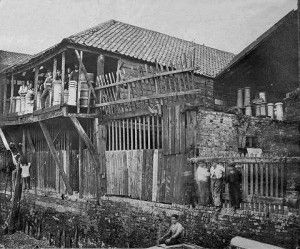
Upper Shore Street c 1865
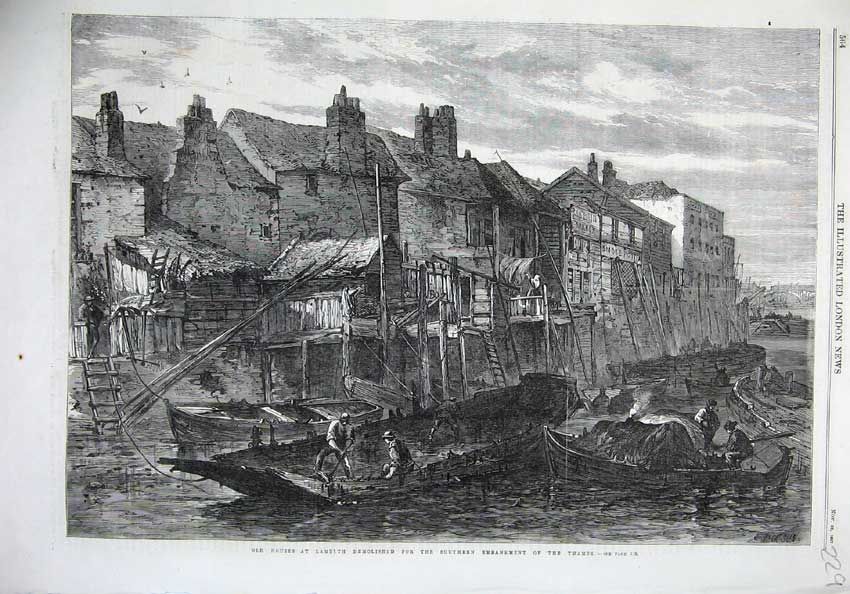
Lambeth from the Thames about 1845