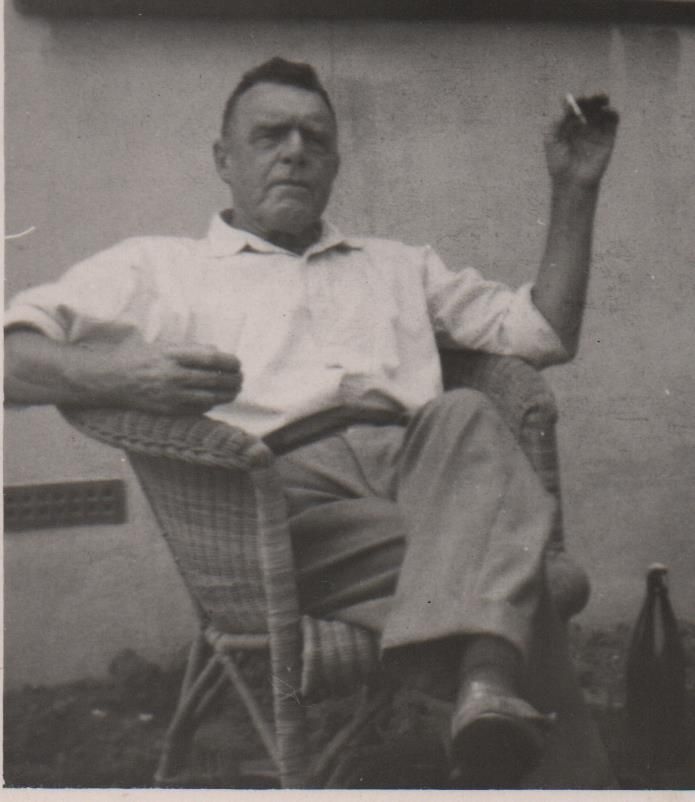
Now, finally, Oscar Alfred Barrand and his half brother, Harold John Biglands Barrand and half sister, Edith Mary Barrrand
Oscar Alfred was born at 99, Graham Road, Dalston on the 8th December, 1880 in the borough of Hackney. Birth Ref: Hackney 1880 - 4th Qtr (1b - 557). Sarah Elizabeth, his mother died aged 22, just 19 days after the birth of Oscar Alfred, on the 27th December, 1880 and she was buried in Abney Park Cemetery on 30th December, 1880. Death Ref: Hackney 1880 - 4th Qtr (1b - 339).
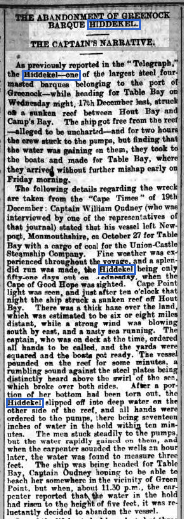
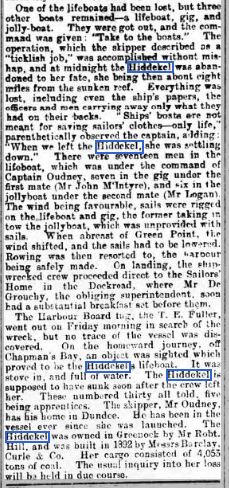
The first mention of Oscar Alfred on the census returns is 1881 census where he is at the home of Mary Elizabeth Reece (Sarah Elizabeth’s mother) who took on the job of bringing up young Oscar. It seems that Oscar’s father, Alfred James abandoned Oscar, when he married again to Mary Biglands (b 1854) from Wigton in Cumbria in 1882, Marriage Ref: Wigton 1882 - 3rd Qtr (10b - 711) and they had 2 children: Harrold John Biglands, (b 1884) and Edith Mary (b 1885), but they were both born in Hackney. Alfred James Barrand died in London aged 30, of Phthisis (Tuberculosis) which he had suffered from for 9 months. Death Ref: Hackney 1885 - 3rd Qtr (1b - 294) and was buried on 30th September, 1885 with his 1st wife Sarah Elizabeth in Abney Park Cemetery. Ref: G08 (Index 3S05) Mary, his second wife then returned to Wigton with her two young children. Oscar Alfred next appears on the census for 1891, also still at the home of his grandmother Mary Elizabeth Reece at 36, Avenue Road in Hackney. He became a seaman early in his teenage years, and he is shown aged 20 as an apprentice mariner on the barque “Heiddekel” on the 1901 census and berthed in Liverpool docks. The ship Hiddekel was a 4-masted steel barque, built in 1892 and was eventually wrecked on rocks at Cape Town in South Africa between Camps Bay and Hout Bay, and Oscar was an apprentice 1st mate on this ship and the Captain was W. Oudray. Newspaper reports of the time state” Barque Hiddekel struck on a rock near Hout Bay, and was abandoned in a sinking condition. All on board were saved, and landed at Cape Town” “Edinburgh Evening News” 18/12/1902.
He very quickly passed all his exams as a mariner and became a 1st mate, qualifying in Hobart, Australia on the 29th March, 1904. In 1910, he was accepted as a Captain, and obtained his master’s certificate. Within 10 years he had risen from an apprentice to master of his own vessel.
He married Grace Hobbs, (b 15th August, 1884), the youngest daughter of William Henry Hobbs and Mary Kale on the 4th February, 1911 in Hackney, but he does not show on the census for 1911 as he is away at sea, but Grace does, living with her parents.
The Hobbs
The family of Grace Hobbs can be traced back to 1523 in Salisbury and Hampshire, and in every generation since 1651, there has been the name Onesipherous, and nowhere else in England has this name been used so frequently. Where the name Onesipherous originated from is a mystery, but it certainly makes tracing the family tree so much easier. It is a name that is found in the bible. Henry Hobbs was the eldest child of nine and was born on 14th February, 1798 (son of Onesipherous Hobbs 1769-1817 and Mary Harris 1770-1819) who themselves were married on the 8th February, 1797 in Andover.
Grace Hobbs’s grandfather Henry Hobbs married Sarah Pristoe (Prislee) sic (b 1797) on 20th August, 1820 in Reading and they had 9 children, the youngest being Grace’s father, William Henry Hobbs who was born on 17th of October, 1840. Reading (4th Qtr, (6 - 228), in Chatham Street, Reading and baptised on 10th February, 1841 with father as Henry Hobbs and mother as Sarah “Prestoe” (sic). The certificate shows possibly “Preston”
The children were:
Sarah Jane (1821) – married Henry Davis – 4 children
Henry Onisipherous (1822-1842) Death Reading 4th Q (6-151) Buried St. Mary’s Churchyard
Mary Ann (1824) - Unmarried (living with Ellen in 1871)
Ellen (1826-1909), Married Edward Moody – 2 children
Keziah (1829) - married William Henry Wells (1836-1895) – 7 children
Elizabeth Ann (1832) - Unmarried
Caroline (1836-1917) - married James Wheeler – 4 children
Sophia (1838) – Unmarried (d 1852)
William Henry (1840) Married Mary Kale
Sarah Pristoe died on 23rd December, 1846 of cancer in King Street, Reading 1846 4th Qtr (6 – 212) and was buried in London Road Cemetery in Reading in unconcecrated ground on the 30th December, 1846. Henry Hobbs then remarried to Sarah Herridge in Reading in 1858. Bradfield (Berkshire) 1st Qtr (2c-435) Henry was a tailor with his own business in Chatham Street, then in King Street and finally Field Hall in Reading. He sold his business in 1863 and bought a grocers shop and he died on 5th October, 1866 in Wheldale Street, Reading aged 68 and he was buried on the 9th October, 1866 at London Road Cemetery along with Sarah Pristoe, his wife. Reading 1st Qtr (2c – 197) The death record for Sarah Herridge is shown as 1894, at the age of 76 in Pangbourne. The Probate Register for Reading in 1894 has the following citation “HOBBS, Sarah, late of Newtown, near Pangbourne, BERKSHIRE, Widow died 19thJuly,1894, Administration OXFORD, 3rd August, 1894 to John Herridge, Postmaster, Effects £340.17s.3d” Sarah was born in 1817 and baptised 30th November 1817 (daughter of Isaac Herridge and Martha Holmes) and she worked in Reading as a servant in 1871, and a cook in 1881, living in Bradfield.
On the 1841 census, the family is shown in Chatham Street with Henry Hobbs as a tailor and also with an apprentice.
On the 1851 census in King Street with only Henry Hobbs (as Sarah Pristoe had already died in 1846), there is a child shown – Emily Hobbs, born in 1850, Reading 2nd Qtr (6 – 247) and shown as a grand-daughter, and it turns out that she was an illegitimate daughter of Mary-Ann Hobbs. Emily however, died on the 9th April, 1852, aged 2, in King Street, the address of Henry Hobbs, and is also buried with Sarah Pristoe (grandmother) in London Road Cemetery. Reading 2nd Qtr (2c – 225)
Sophia Hobbs (b1838) died on the 17th June, 1852 in King Street of Tuberculosis, aged 12. Henry Hobbs is still noted as a tailor.
William Henry Hobbs married Mary Kale (b 28th July, 1848), the eldest daughter of Thomas Kale and Rhoda Emmens in Islington on the 19th September, 1874 (Islington 3rd Qtr (1b - 624) and they had 5 children, the youngest being Grace Hobbs, born in 1884. William Henry was a commercial clerk at a stockbrokers’, but was shown as an accountant on the 1911 census. Thomas Kale died in Stoke Newington on the 18th February, 1895 and Rhoda died on the 23rd February 1895 just 5 days later and William Henry Hobbs was one of the administrators of Thomas Kale’s estate. William Henry Hobbs and Mary Kale moved to Southgate in Edmonton, and William H. Hobbs is shown in death registers for 1927. On the probate registers, the citation reads “HOBBS, William Henry, of 27 Mayfield Avenue, Southgate, MIDDLESEX, died 27th February 1927. Probate LONDON, 28th March 1927 to Mary Hobbs widow. Effects £282.12s.”
Mary died in 1941, aged 92, and the Probate register has the citation “HOBBS, Mary of 27 Mayfield Avenue, Southgate, MIDDLESEX, widow, died 20th January, 1941. Probate LLANDUDNO 22nd May 1941 to Alfred William Hobbs, surveyor and Grace Barrand, married woman. Effects £700.00s.”
In the 1939 census, Mary is shown living in Mayfield Avenue along with Kate Mary and Marjory and also Peter Charles Barrand, the son of Oscar Alfred Barrand and Grace Hobbs who was employed as an invoicing clerk.
The five children of William Henry Hobbs and Mary Kale.
Kate Mary, was born on 2nd March 1876 and she ever married, and died in Hatfield on 29th July, 1959 leaving her estate to be administered by Denis Louis Barrand and Lesley Hobbs, a daughter of Ernest Hobbs (brother)
Ernest George, born in 1878, and died on 22nd September, 1928. I have a copy of his marriage certificate showing his marriage on 6th July, 1907 to a Jessie Clara Gernon in Stoke Newington. Ernest George was also a stockbroker’s clerk like his father, William Henry. Ernest and Jessie had 4 children that I have found: Vera Marjorie, Joan Gwendolen, Barbara Jesse and Lesley Gernon. He must have done well for himself, as the Probate records show he left an estate of over £12,000 for his widow, Jessie Clara. Ernest George died in 1928 and Jessie died in 1944
Alfred William was born on 23rd May, 1879, and there are records to show that he was a sanitary inspector and surveyor and married Mercy Warner in 1922. Her original name was Mercy L. Humphries (Humphreys), born on 17th January, 1869 in Stroud, Gloucestershire and employed as a milliner. She first married Harry Warner in Marylebone in 1896, and they had a son, Stanley Richard, born in 1899. The Birth, Marriage & Death records shows that Stanley Richard Warner married Hilda Luff in Kingston-On-Thames in 1918. Harry Warner died in 1919 in Marylebone and Alfred W. Hobbs and Mercy Louisa Warner were married in 1922. Alfred W. Hobbs died in Norfolk in 1950. Mercy however, died in Barnstaple in 1962.
Marjory was born on 7th September, 1881, and she was a typist but never married. She died in Chichester on 21st October, 1951 and the estate was administered by Lesley Hobbs, a daughter of Ernest George, her (brother).
Grace, born in 1884, and married Oscar Barrand in 1911.
Fortunately, Thomas Kale (Mary Kale’s father) kept an extract of his diary of his family from 1837 until his death and it provides intimate details of family life with holidays, births and deaths etc of members of the family and even gives the date that Oscar Alfred Barrand approached William Henry Hobbs to ask for his permission to propose to Grace for her hand in marriage. The diary extends to over 40 pages.
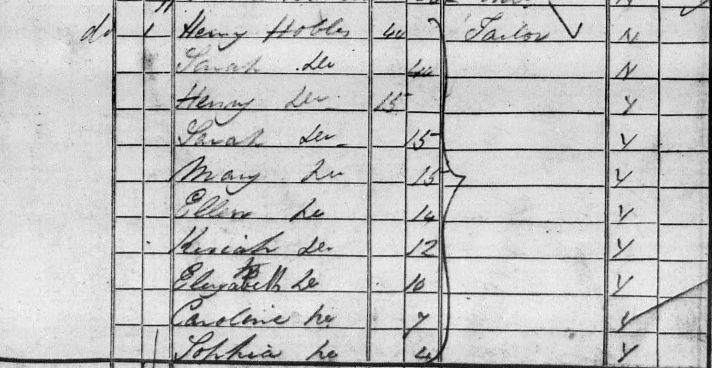

1841 census - Henry Hobbs - Reading
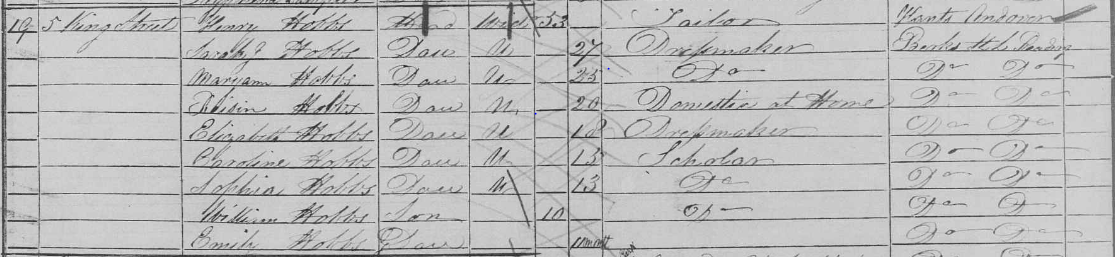
1851 census – Henry Hobbs – Reading

1861 Census, Henry + Sarah Herridge at 5 Field Lane, Reading
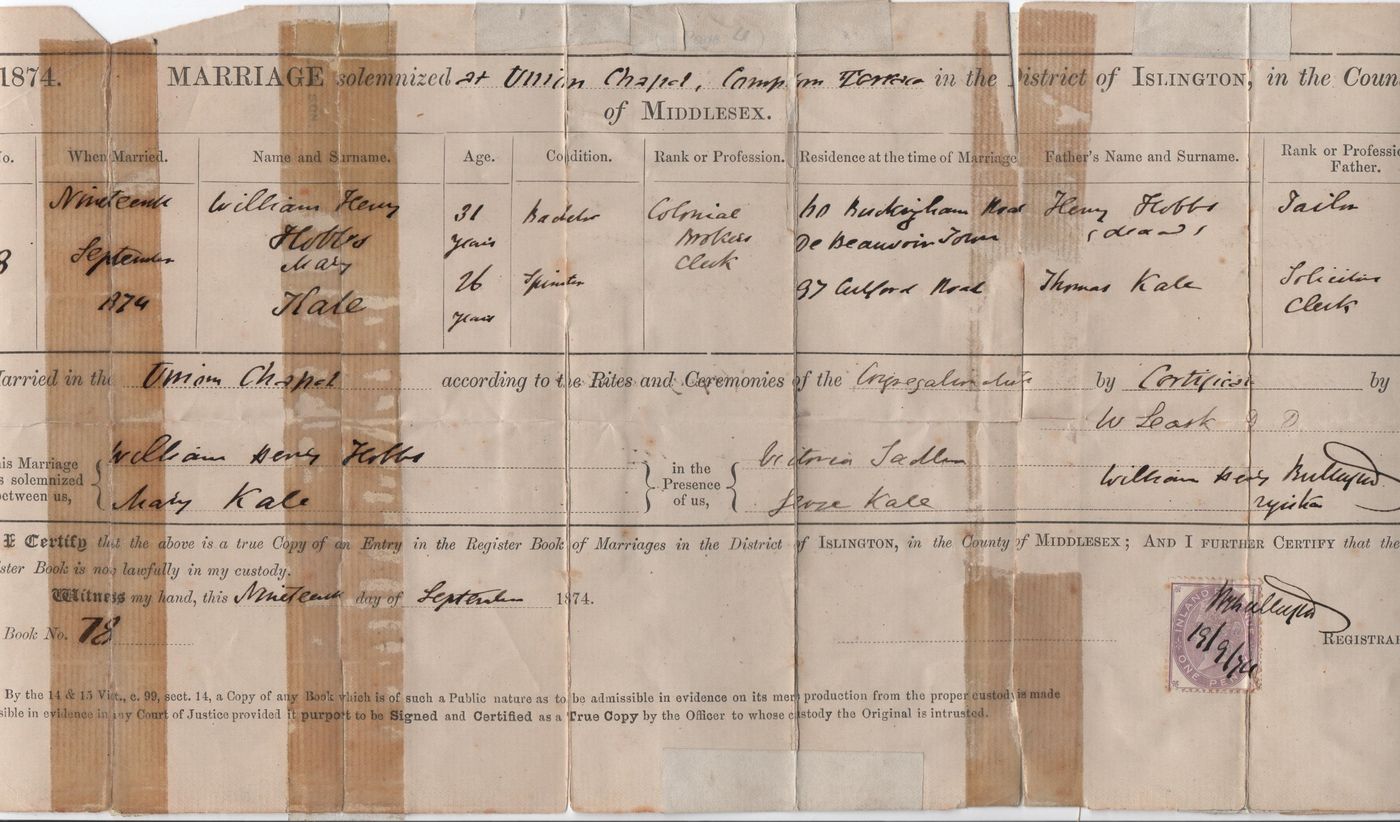
Marriage Certificate William Henry Hobbs and Mary Kale 1874

Newspaper advert of marriage of Ellen Hobbs to Edward Moody – Reading Mercury 31st August, 1867

Newspaper advert of marriage of Caroline Hobbs to James Wheeler – Reading Mercury 8th March, 1856
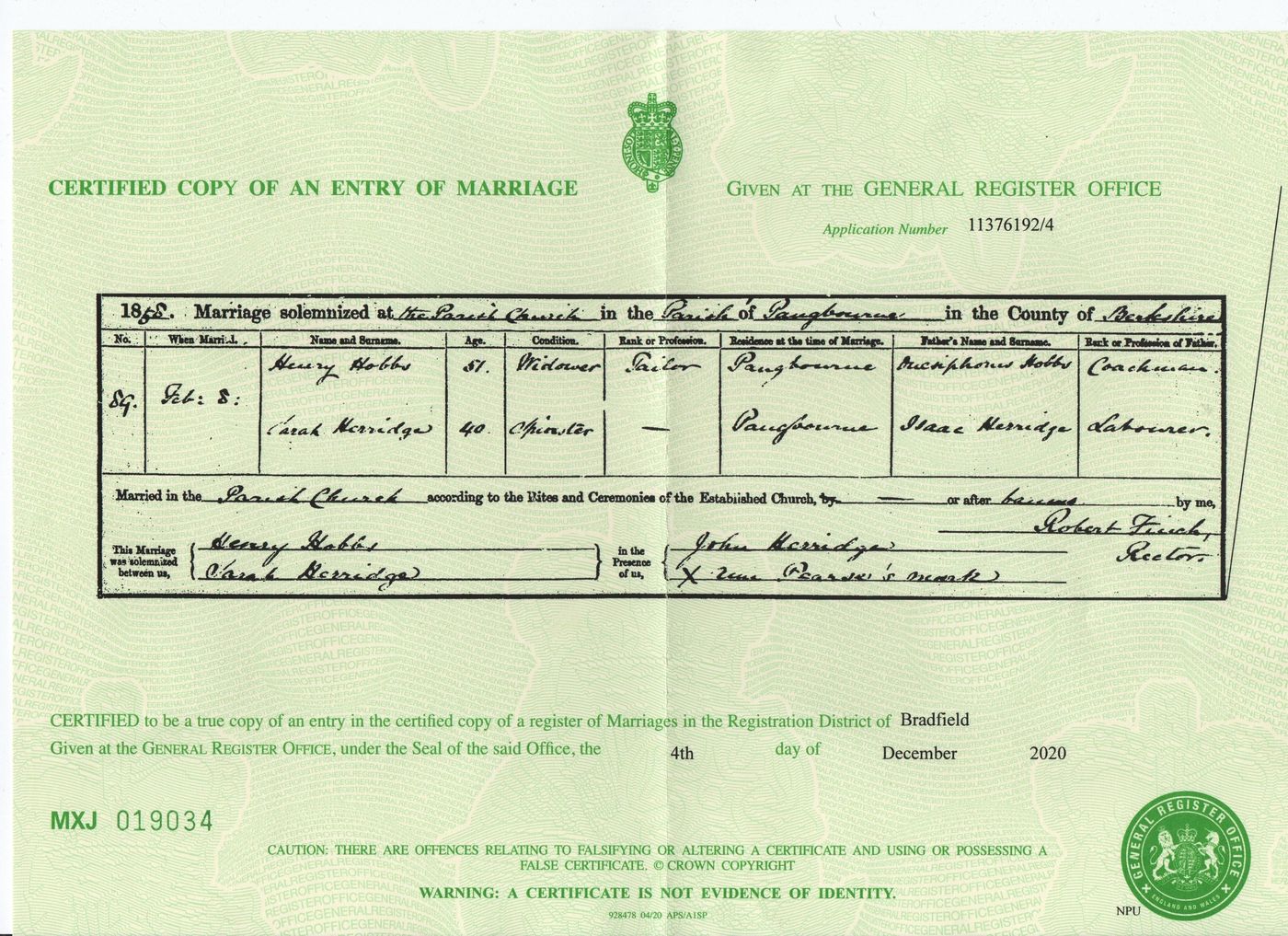
Marriage certificate Henry Hobbs and Sarah Herridge 1858
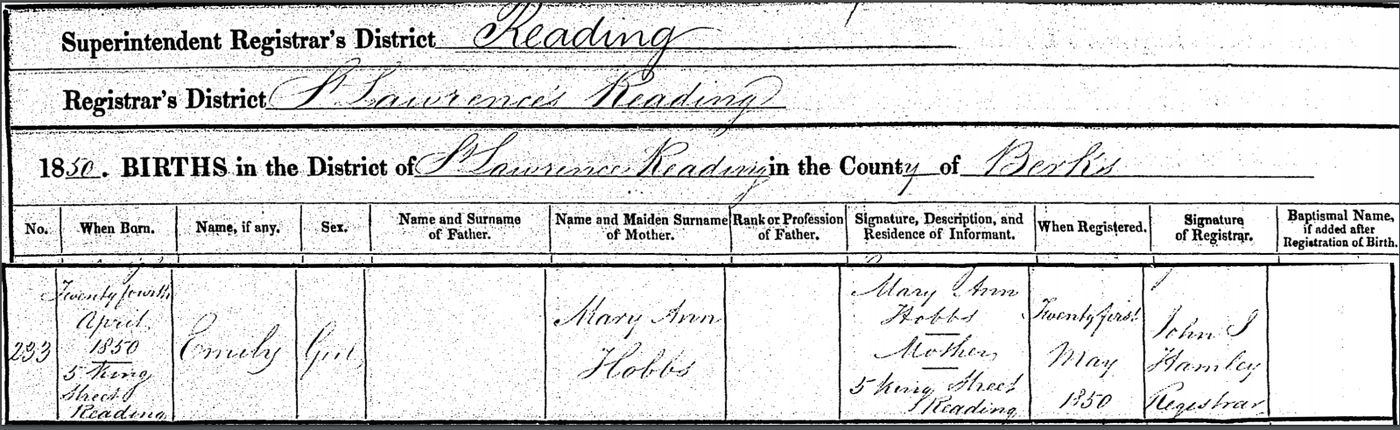
Birth Certificate Emily Hobbs (Mother shown as Mary Ann Hobbs)
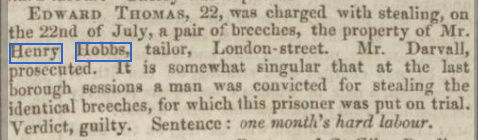
Reading Mercury 18th October, 1845
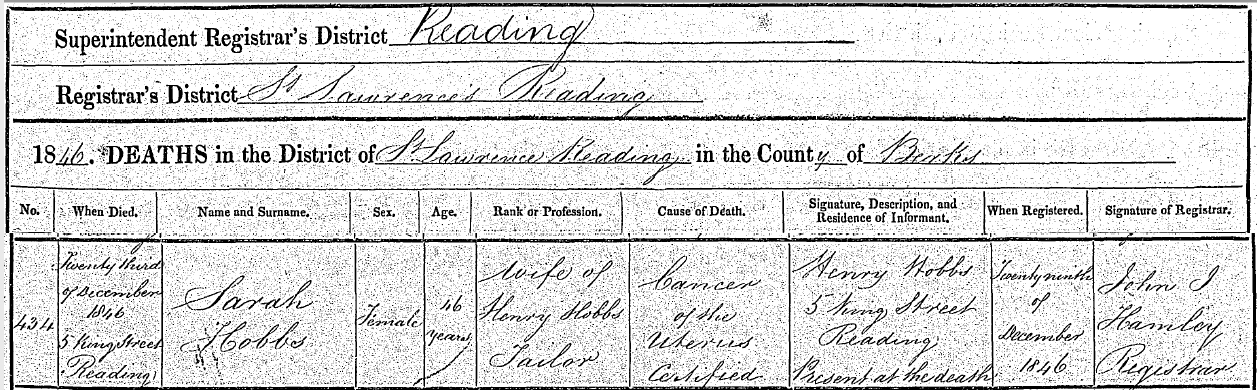
Death Certificate Sarah Hobbs (nee Pristoe) 1846
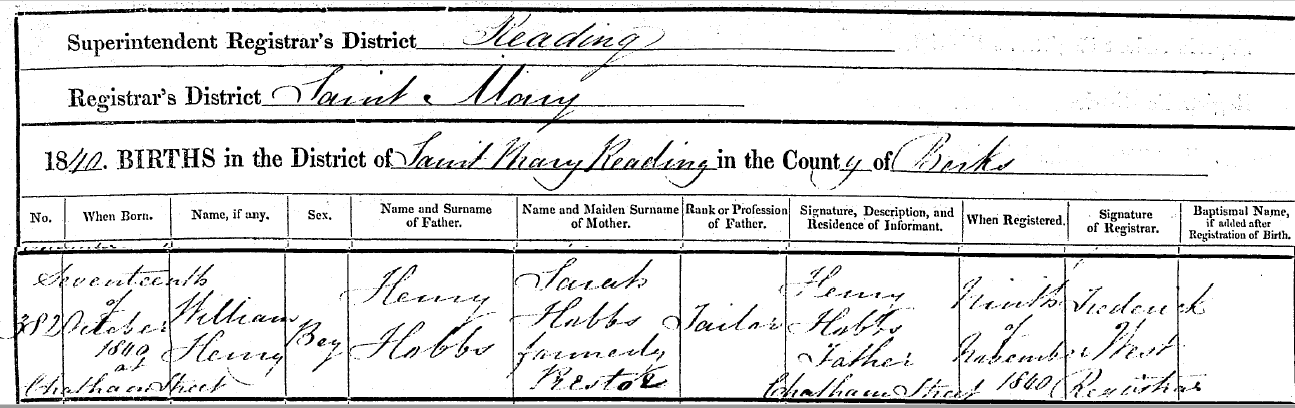
Birth Certificate William Henry Hobbs
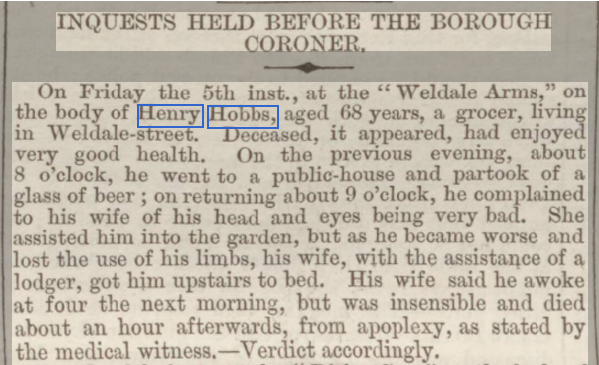
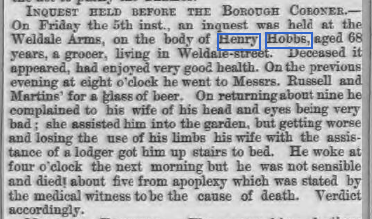
Reading Mercury & Berkshire Chronicle - 13th October, 1866

Berkshire Chronicle 6th October, 1866
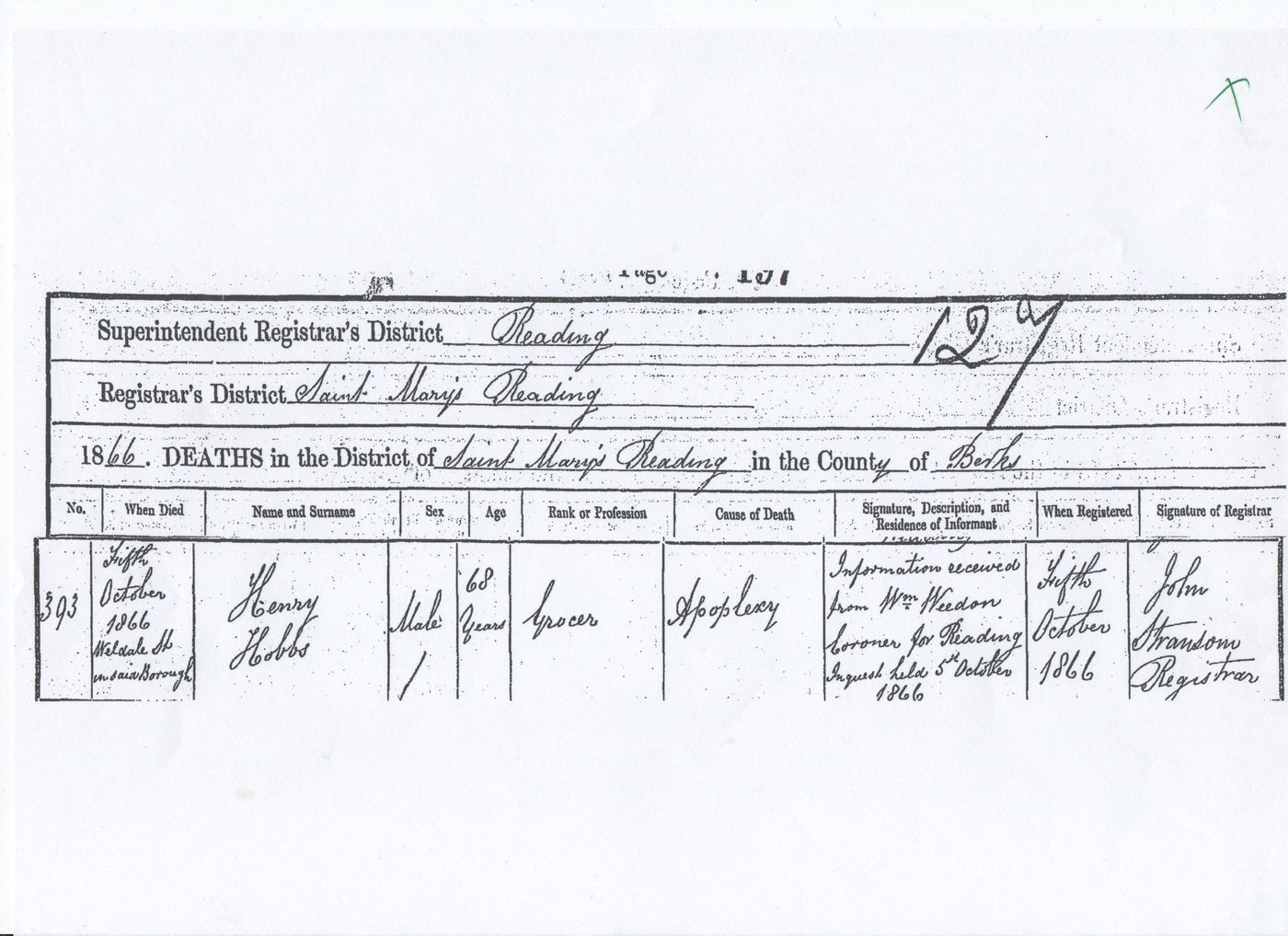
Death Certificate – Henry Hobbs 1866
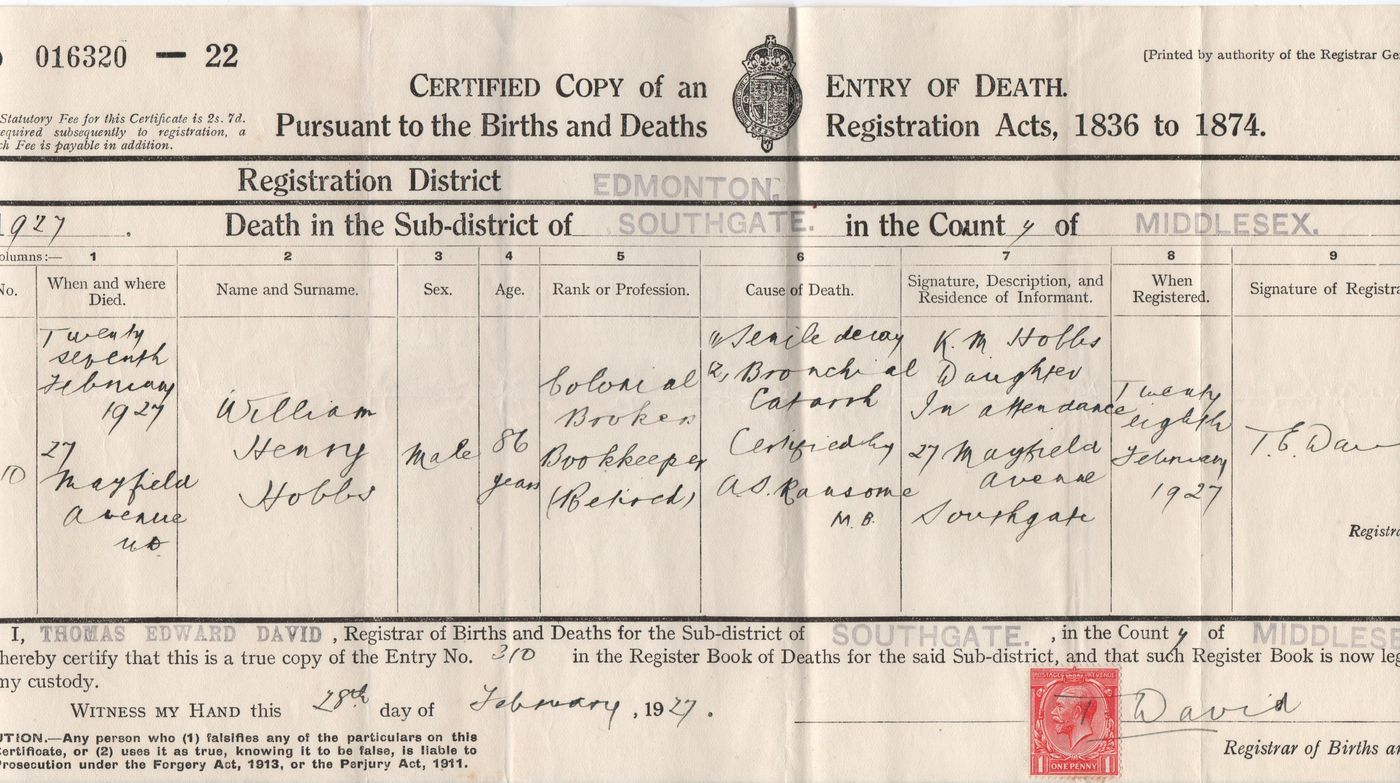
Death Certificate – William Henry Hobbs 1927
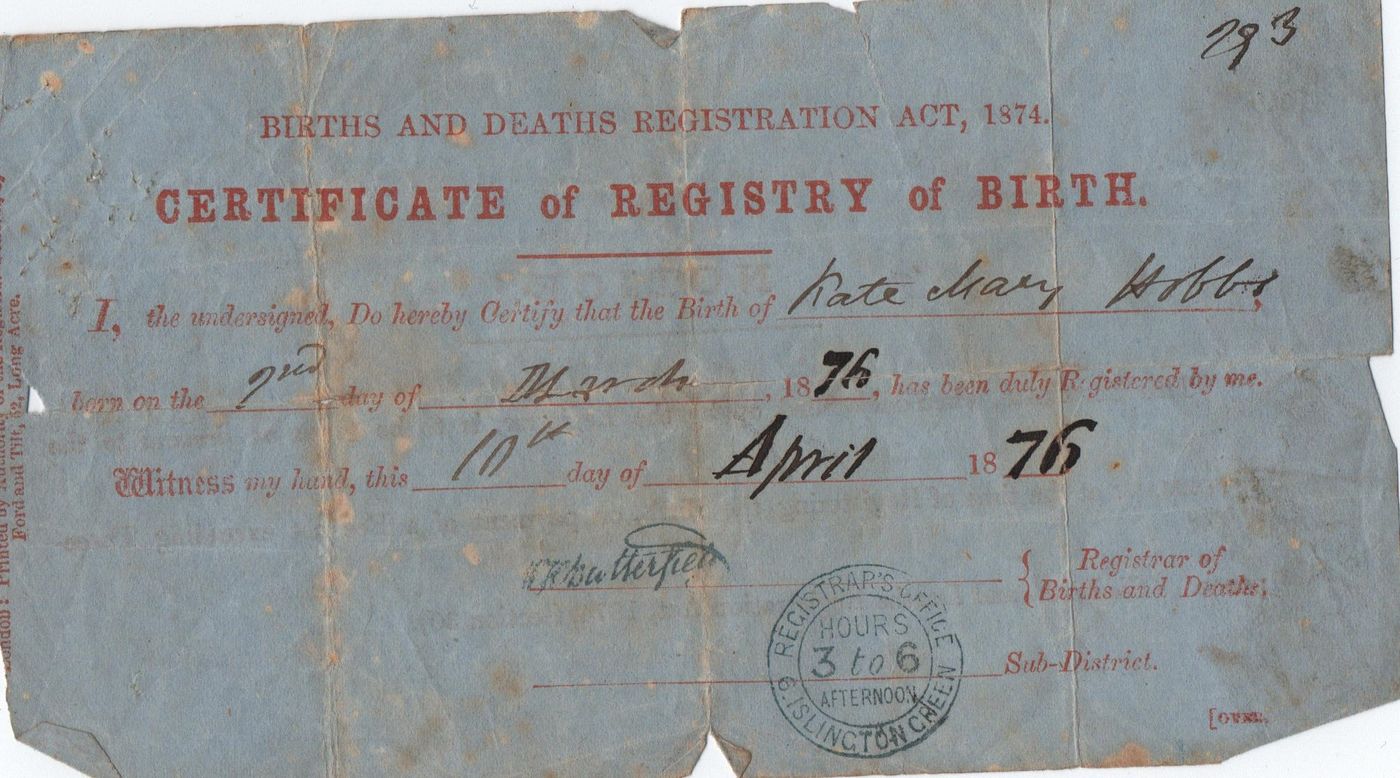
Birth Registry for Kate Mary Hobbs
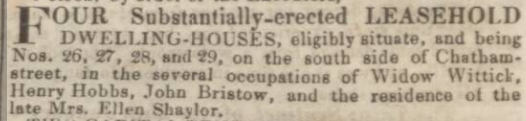
Reading Mercury 25th April, 1840

Reading Mercury 3rd October, 1874
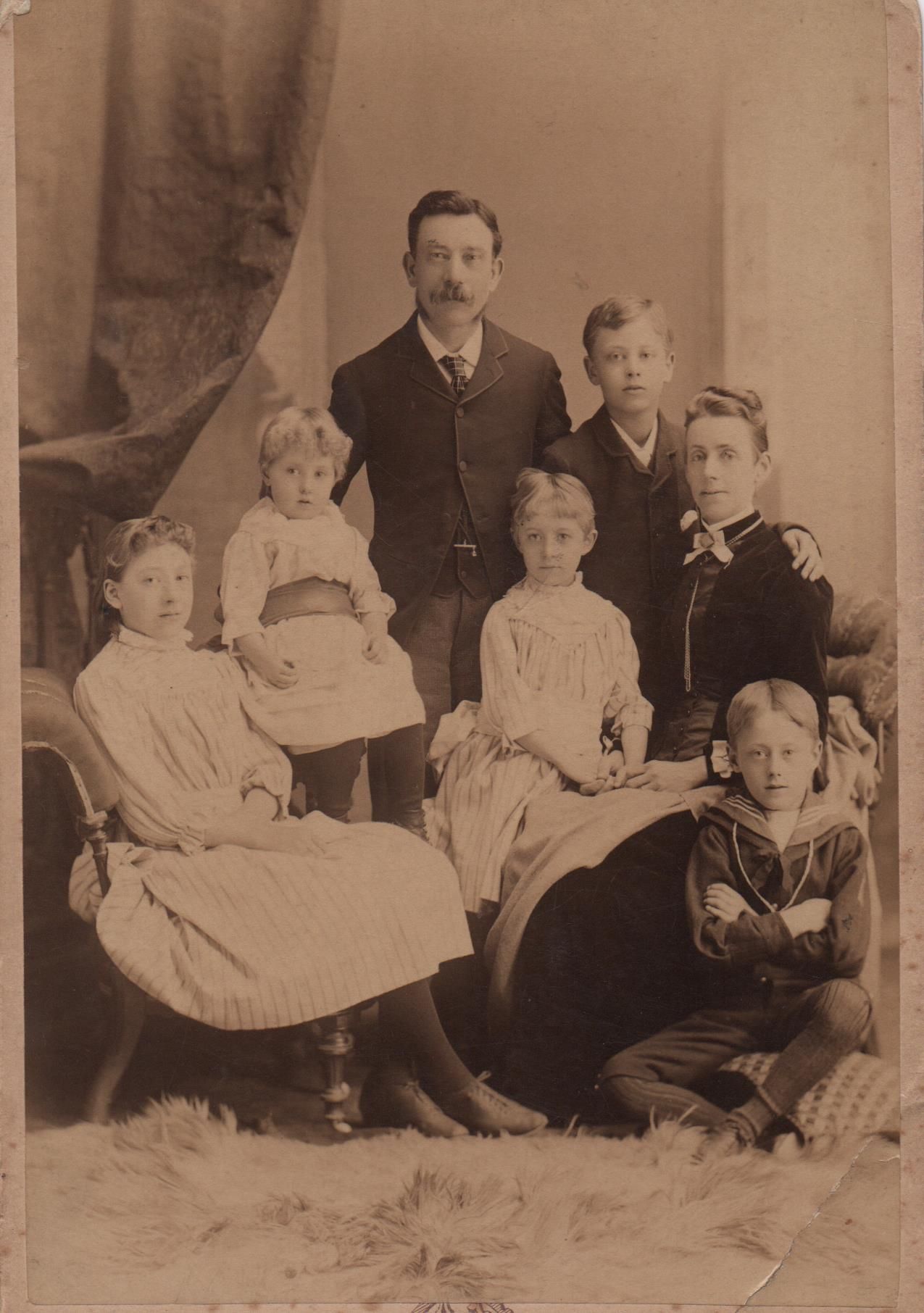
The Hobbs Family
William Henry Hobbs (Standing centre)
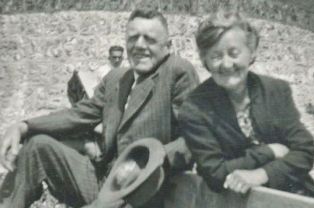
Mary Hobbs (nee Kale) (Sitting right)
Kate Mary Hobbs (Sitting left)
Ernest George Hobbs (Standing back right)
Alfred William Hobbs (Sitting Right)
Margory Hobbs (Centre Right)
Grace Hobbs (Sitting 2nd left)
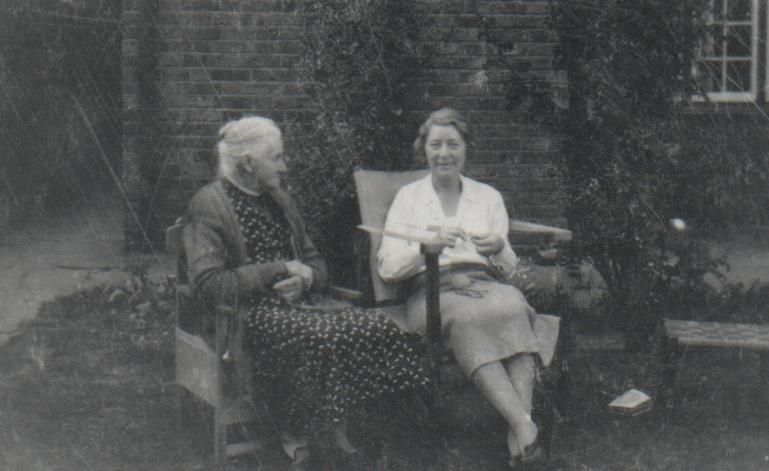
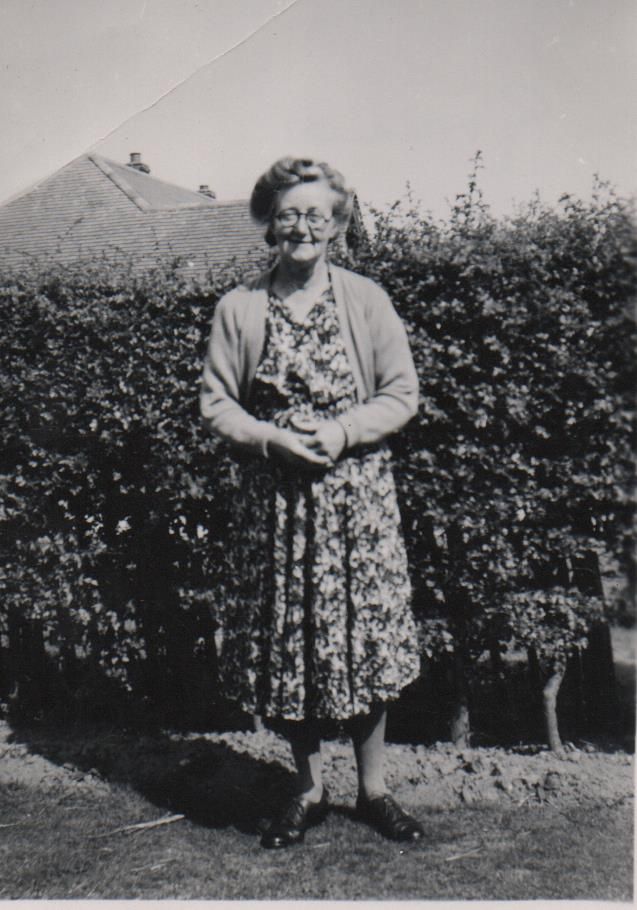
Mary Hobbs (nee Kale) and Marjory Hobbs
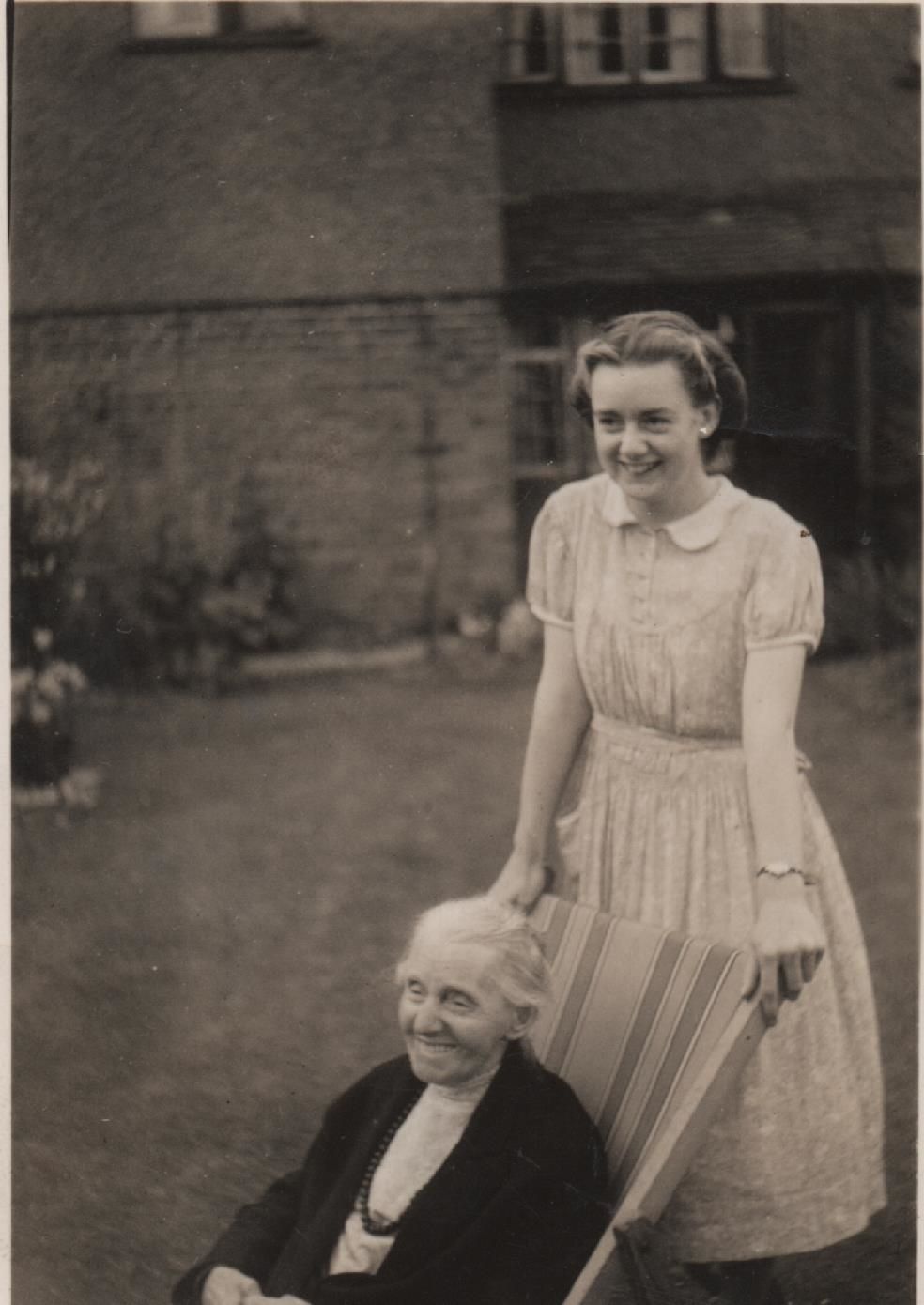
Mary Hobbs (nee Kale) and Elizabeth (Grand daughter) 1939
Dalston
Most of the streets in Dalston c.1890 contained a mixture of people who were well-to-do or fairly comfortable. The most solidly prosperous areas were Queen's Road, Parkholme Road, parts of Richmond, Forest, and Graham road From: 'Hackney: Dalston and Kingsland Road', A History of the County of Middlesex: Volume 10: Hackney (1995), pp. 28-33.
Graham Road and Fassett Square - is thought to be the inspiration for Eastenders, Albert Square.
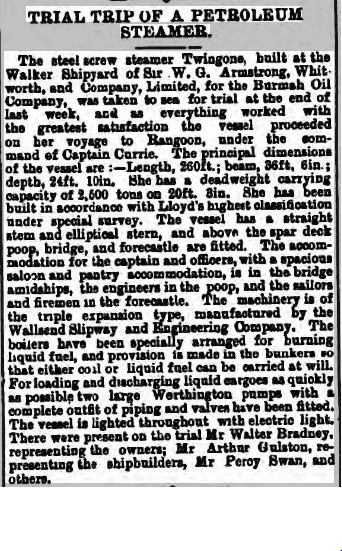
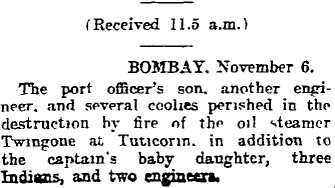
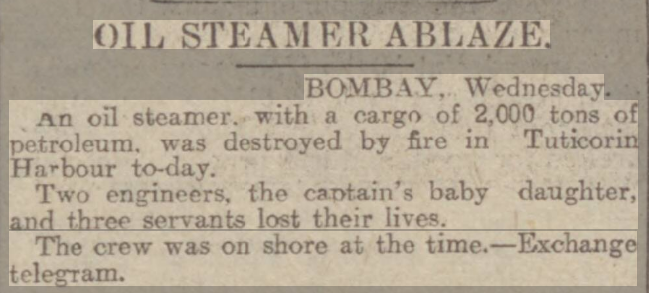
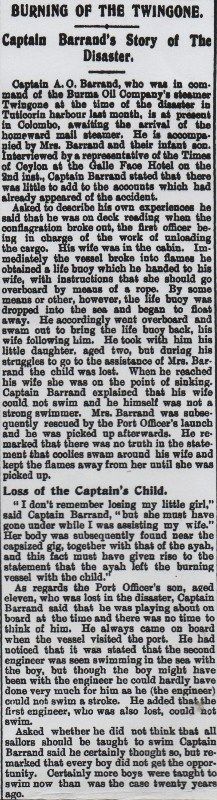
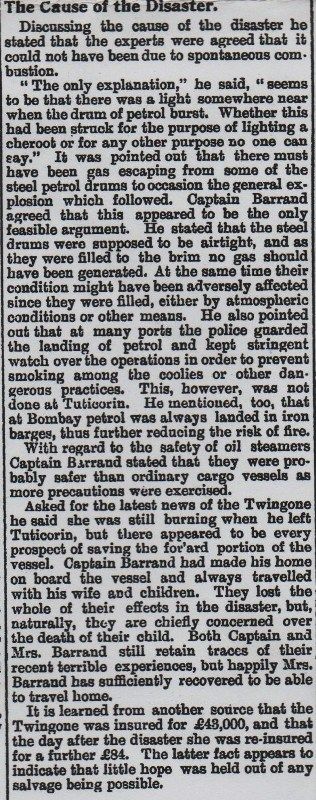
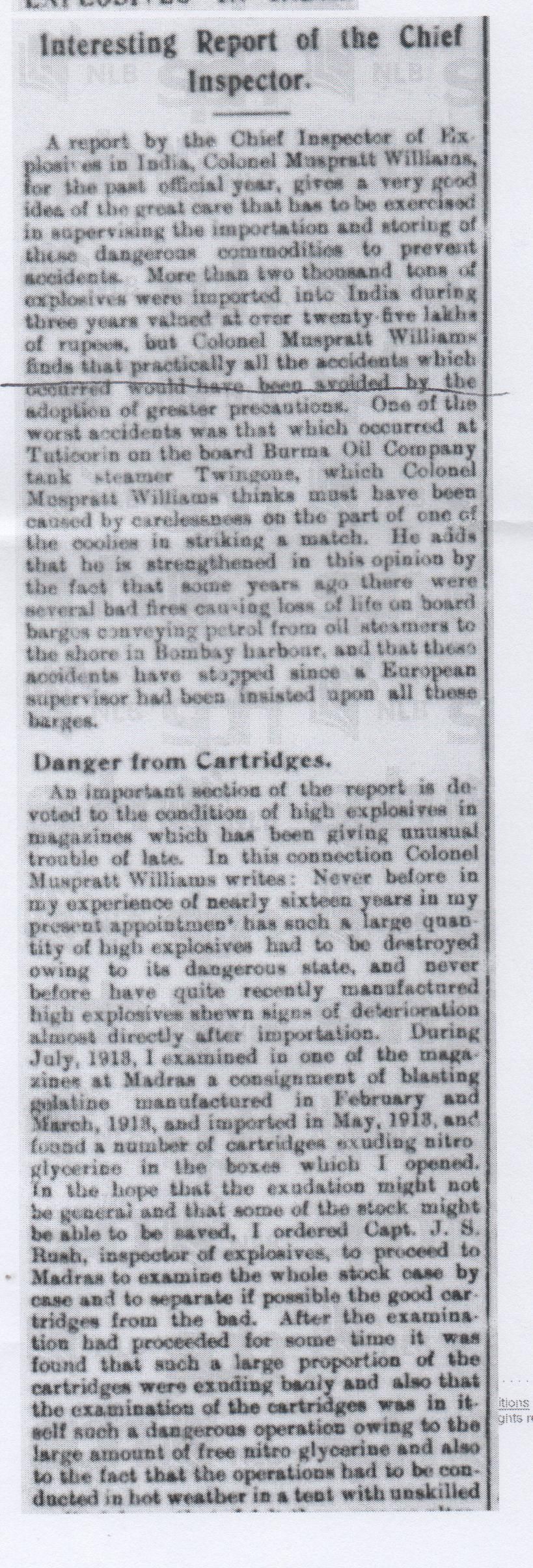
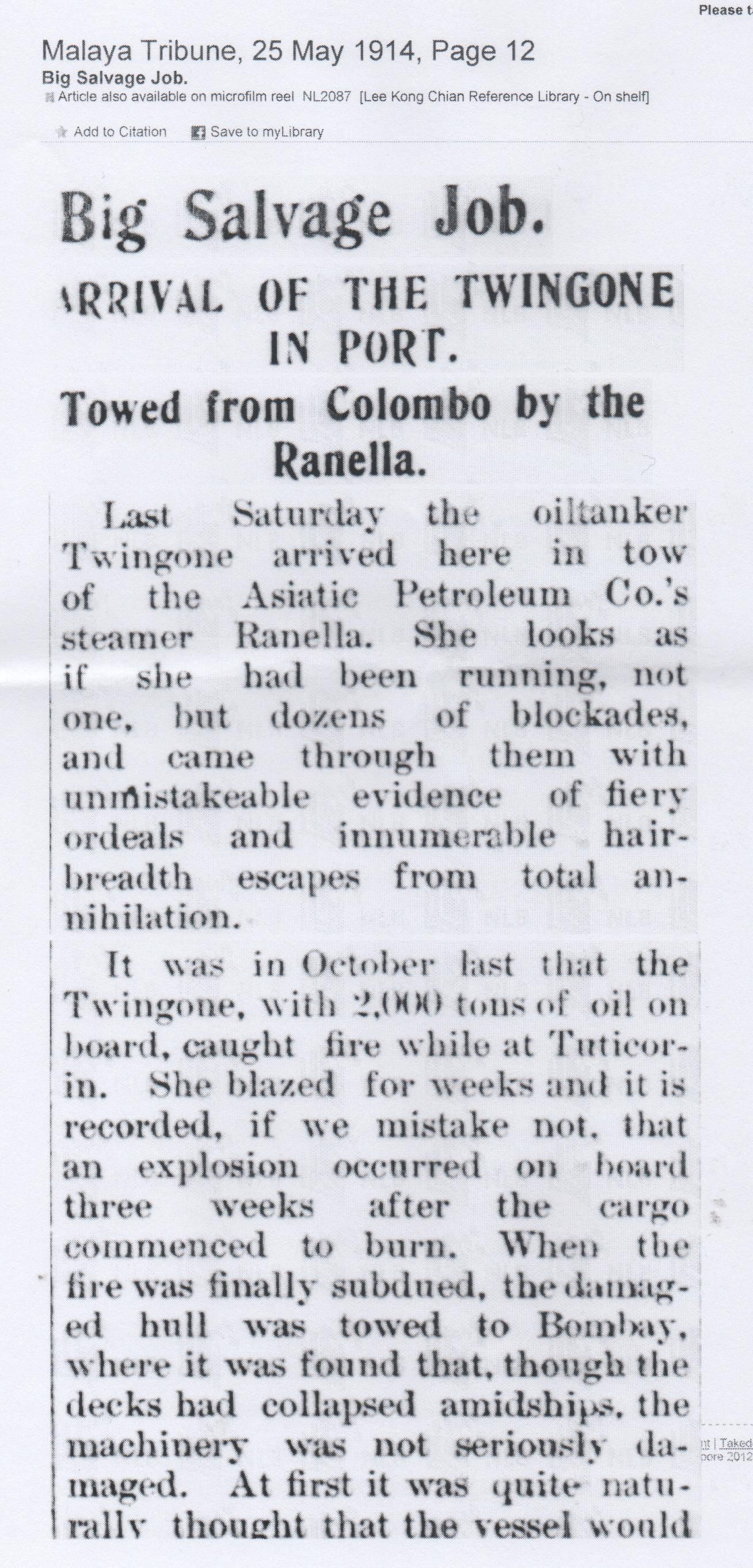
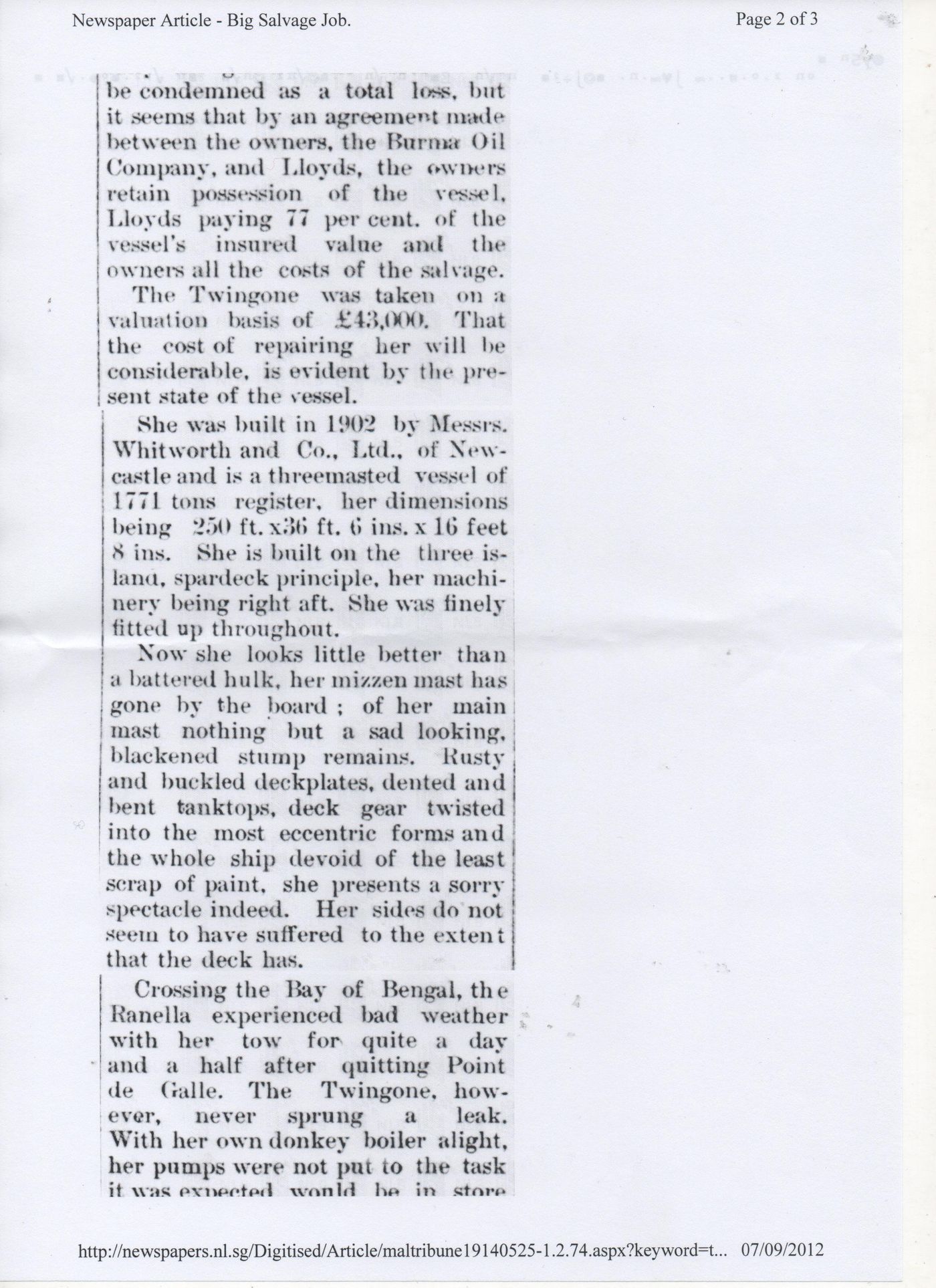
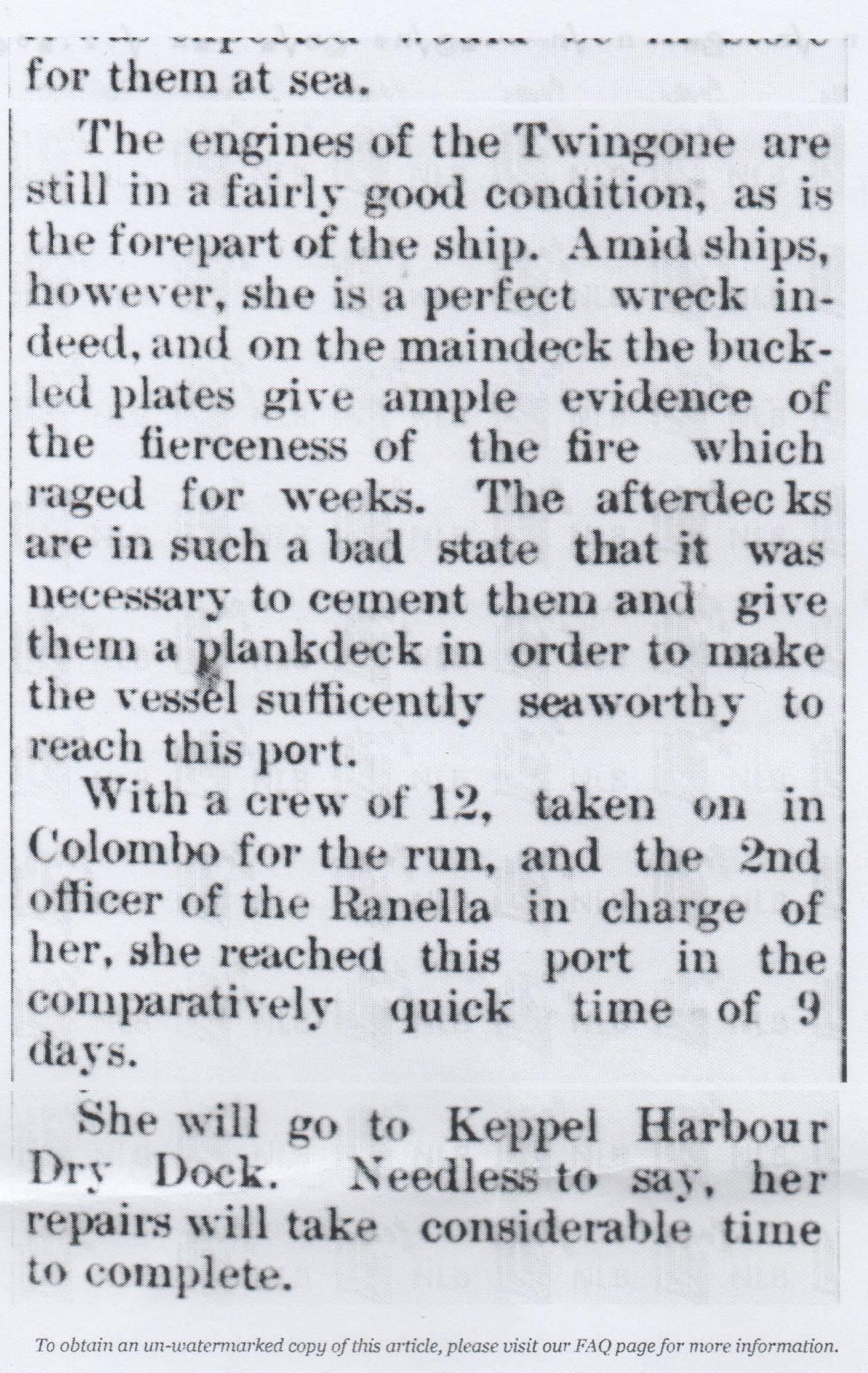
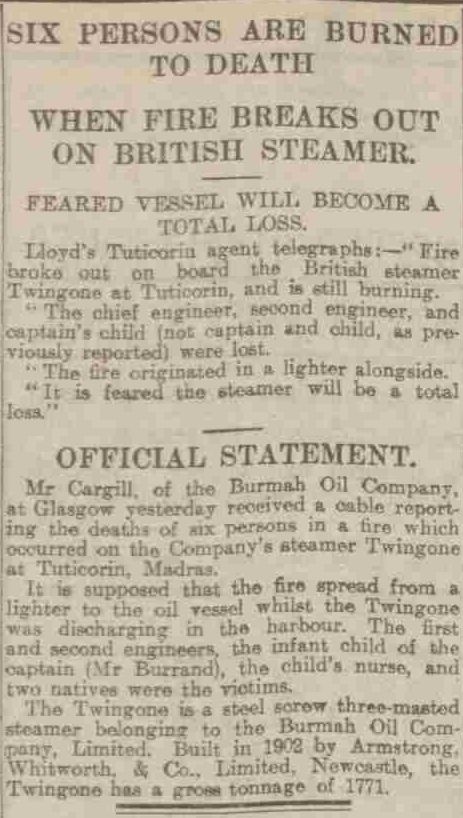
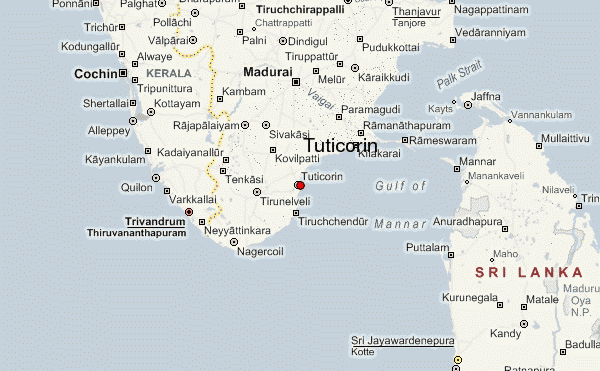
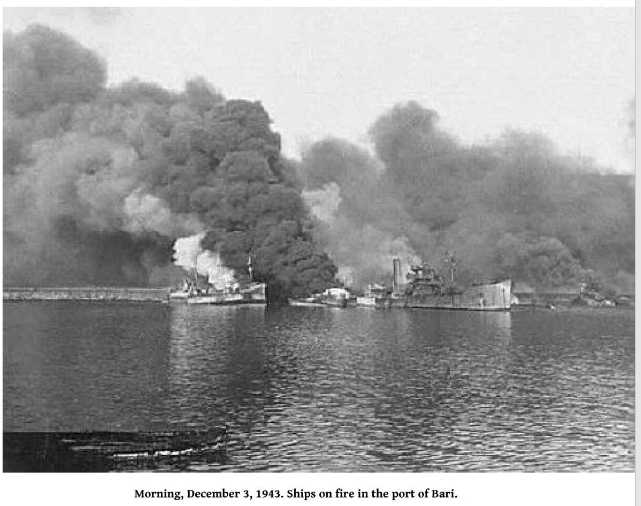
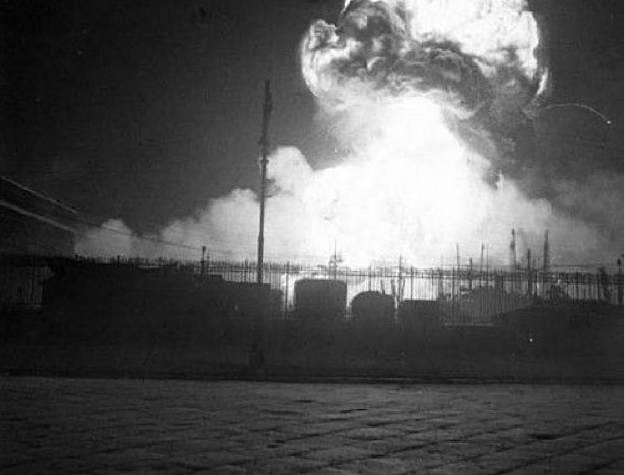
Oscar Alfred was given charge of the oil tanker “SS Twingone” built in 1902, and was sent to Burma and India transporting oil and petrol between the coastal ports on behalf of the Burmah Oil Company. They were given use of a bungalow in Rangoon (Burma) but Oscar and Grace usually travelled together on the ship. On the 5th November, 1913, the Twingone was discharging oil at Tuticorin in India when a drum of petrol exploded on a lighter alongside the ship and engulfed the lighter and the flames spread to the Twingone. The crew all jumped into the sea and Grace Barrand was badly burned on her face as a result of jumping into the burning oil. (See Newspaper records, photographs etc) The disaster claimed the lives of Oscar’s daughter, Margory, the 1st and 2nd engineers, the Harbour master’s son, and several workers including Marjory’s nurse. After the fire, the burnt-out hulk of the Twingone was towed to Hong Kong over the following weeks and repaired. The Twingone was finally sold by the Burmah Oil Co to the Shell Oil Co and renamed the Unio.
Oscar Barrand and Grace returned to the UK, and Oscar was appointed a "ships surveyor by the Board Of Trade "Under Clause 7 of the Order In Council", and sent to Liverpool where his job was inspecting the status of both merchant ships and passenger ships from Liverpool Docks before they sailed. It was during this time that Oscar Alfred Barrand inspected the ill-fated liner, Lusitania before she sailed to the US in 1917. The sinking of this ship off the coast of Ireland in 1917 by a German submarine is well documented, and is acknowledged that this act probably brought the Americans into the 1st World War. Captain Oscar Alfred Barrand was the Emigration Officer for the Port of Liverpool at the time and gave the clearance certificate on the 16th April, 1917 prior to the ship sailing. He gave evidence at the official enquiry into the sinking of the vessel. Oscar Barrand was then sent to Singapore on official Government business in 1918. He was promoted to senior Ships’ Surveyor in 1919.
Shortly afterwards, the family moved to 22, Forest Drive in Leytonstone in the east of London where his family grew up and where Oscar continued to work for the Admiralty. In 1925, he was posted to Southampton where he worked at the Customs House as Chief Emigration Officer.
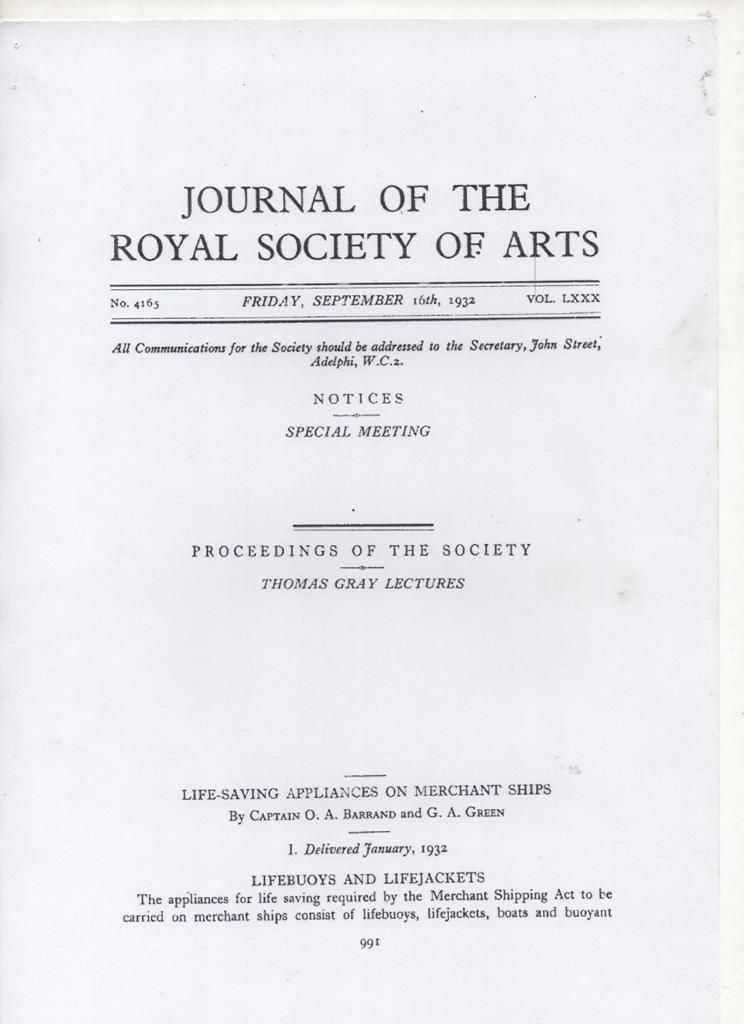
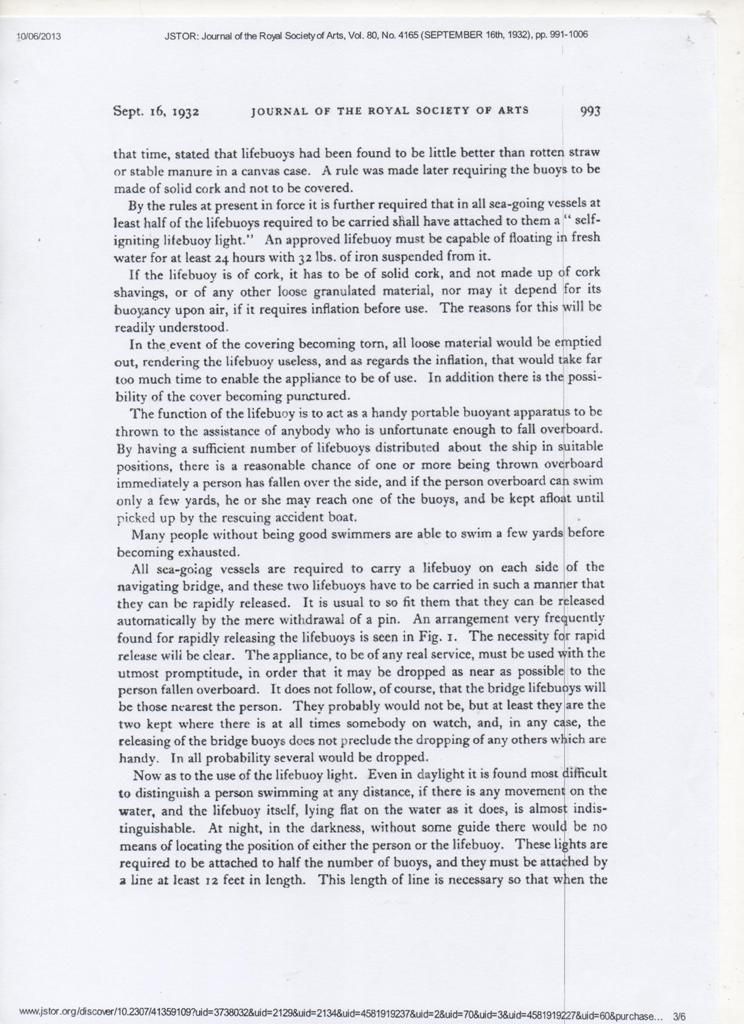
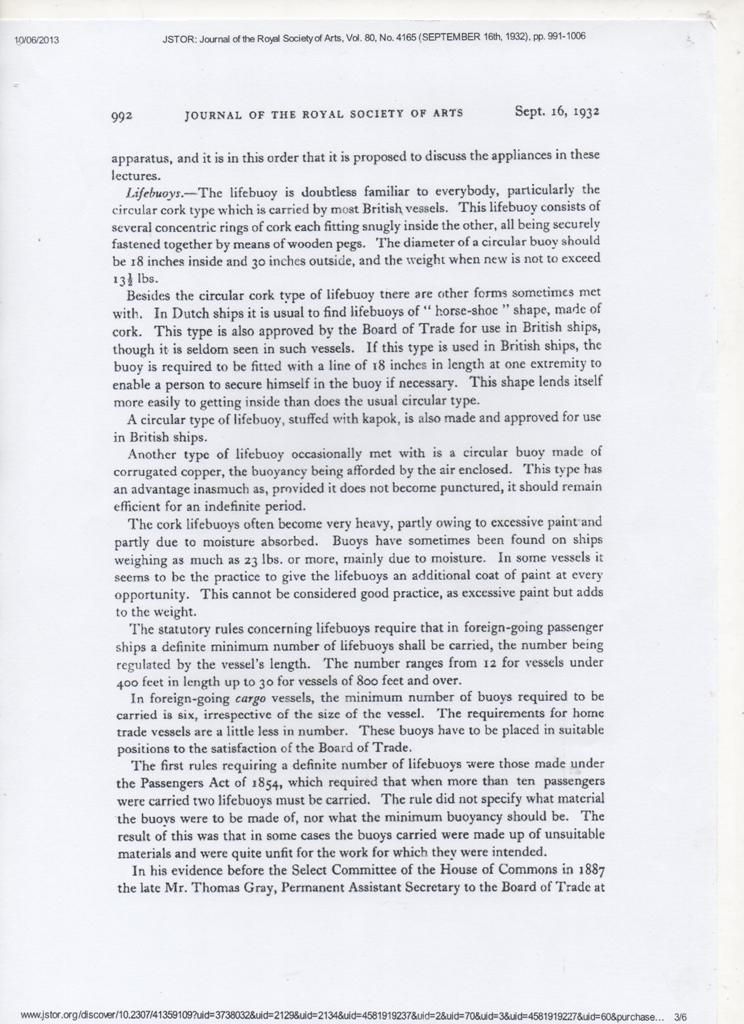
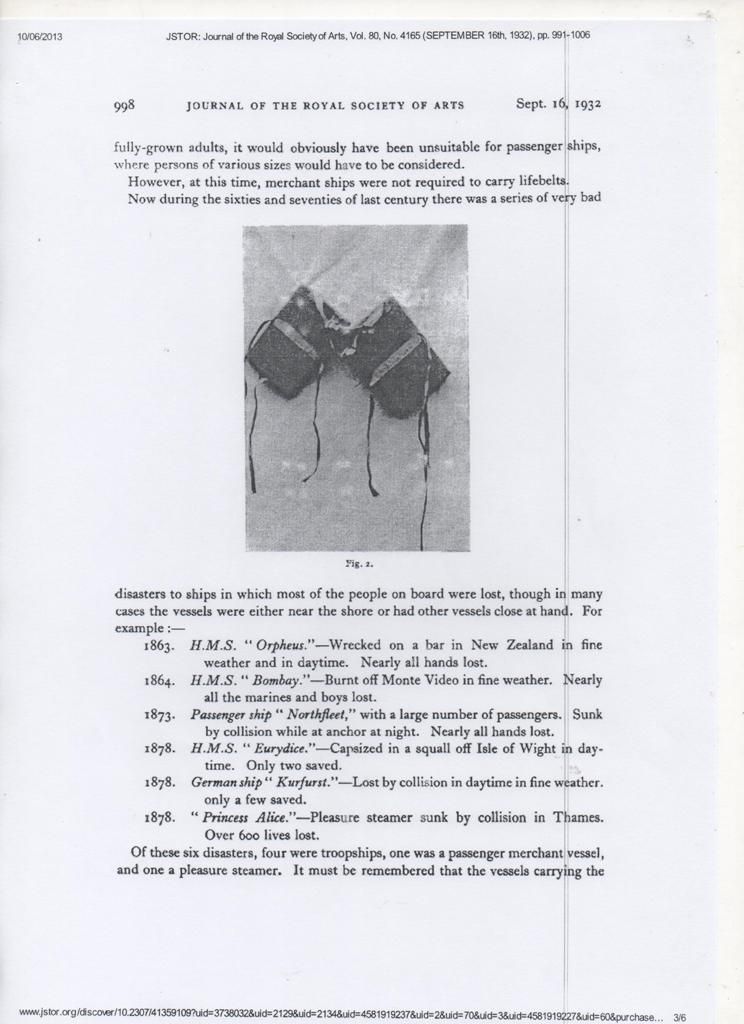
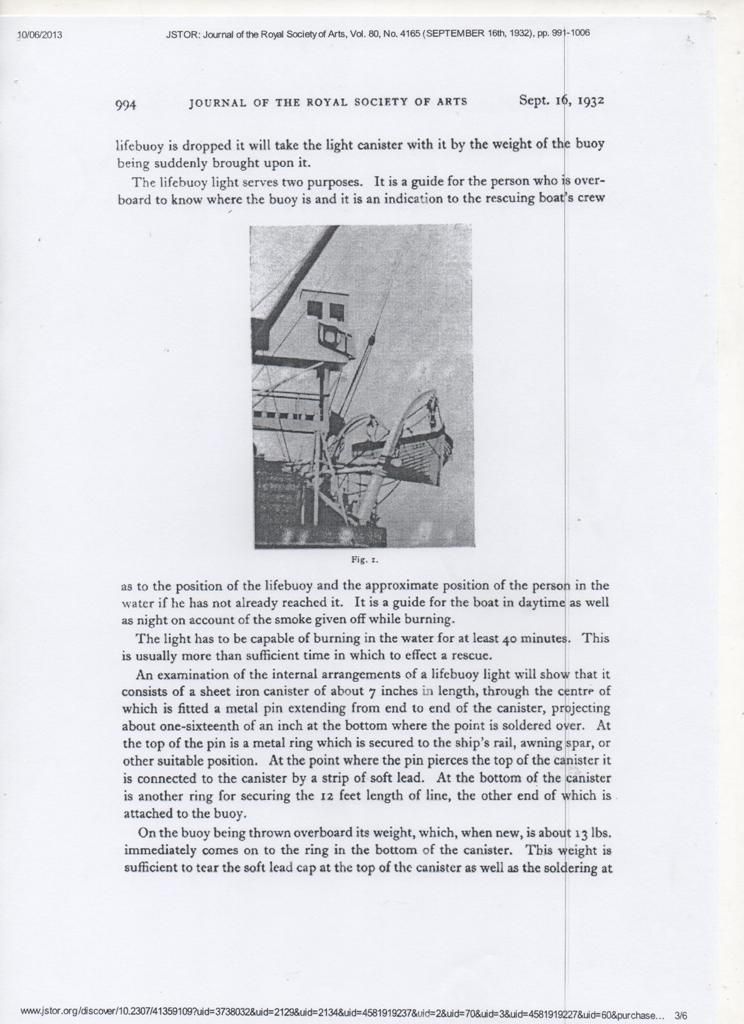
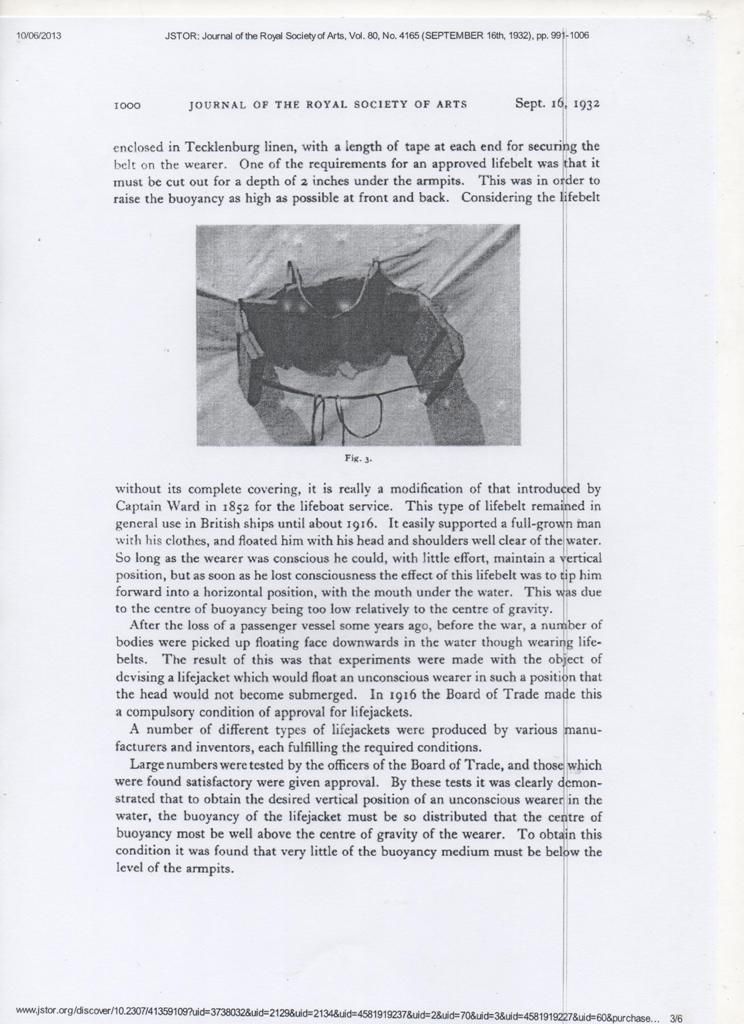
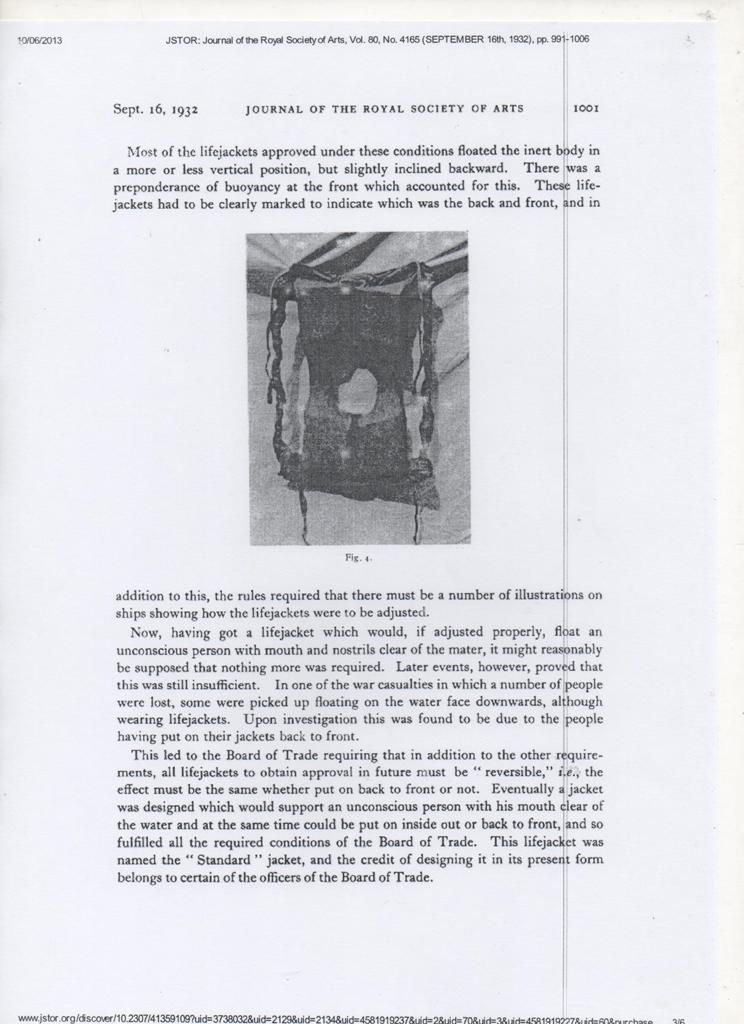
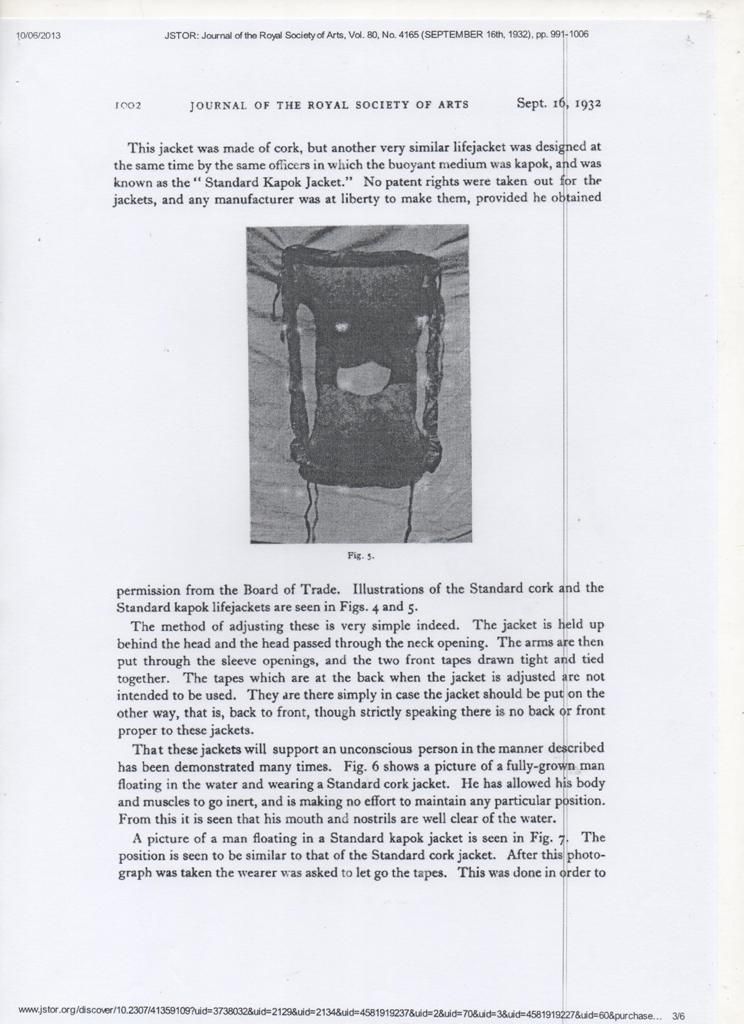
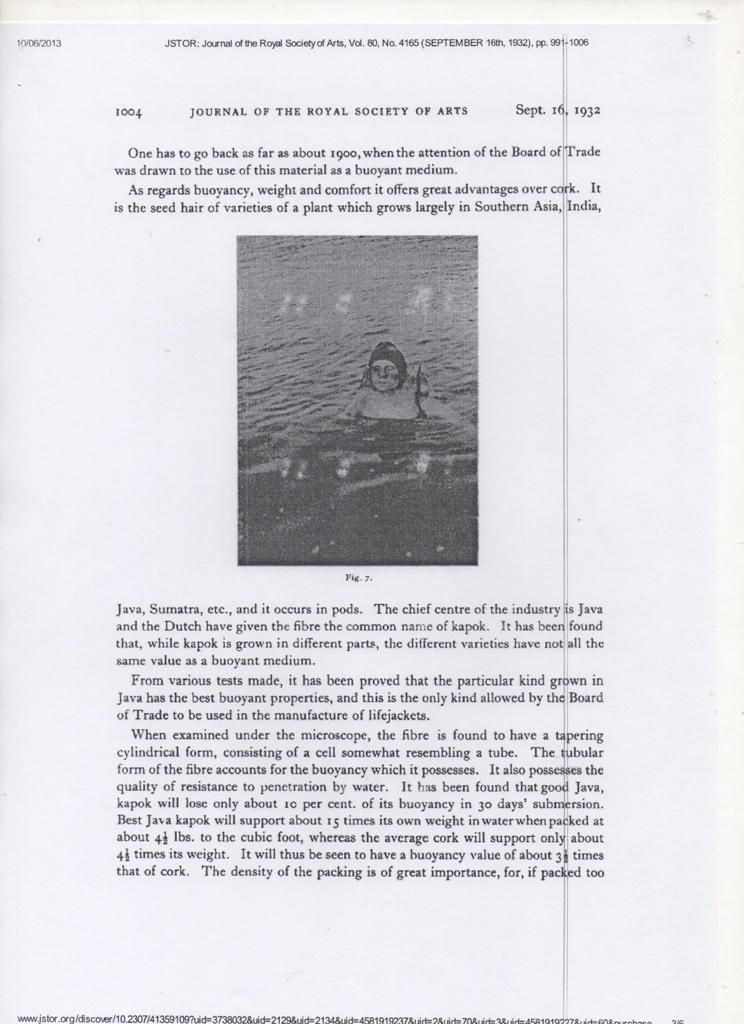
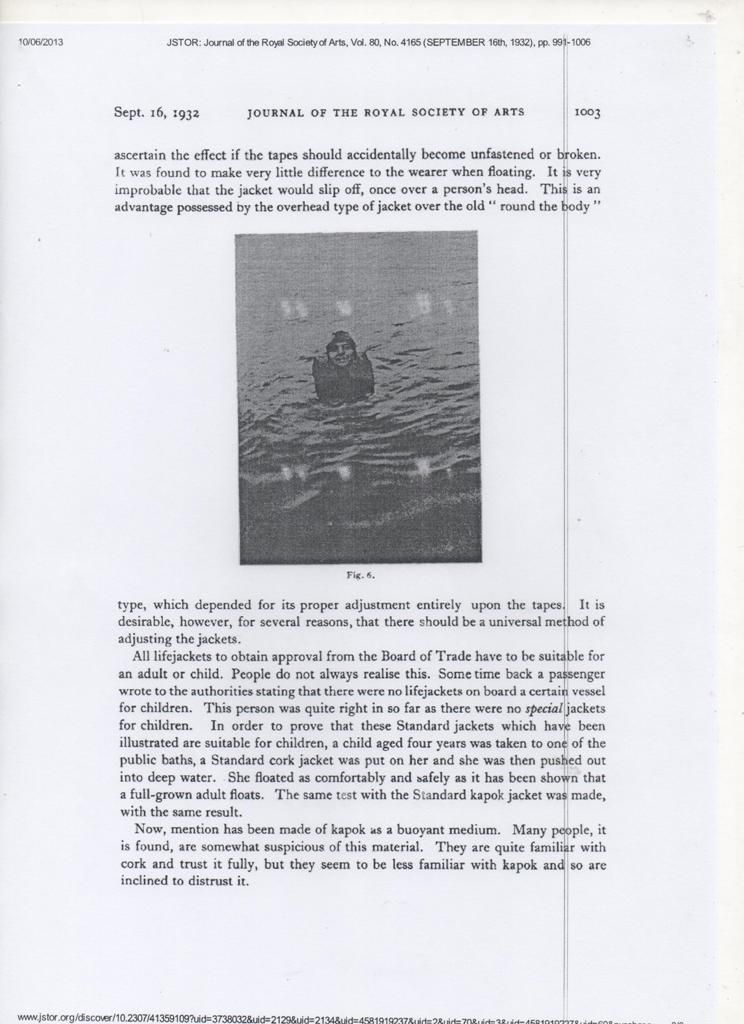
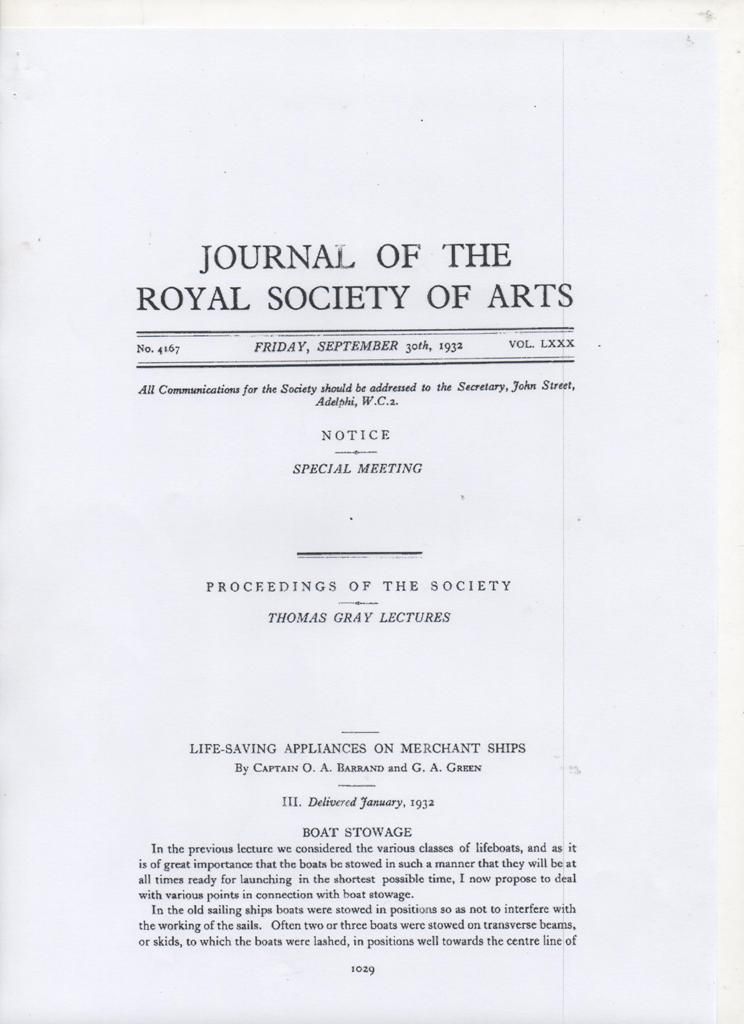
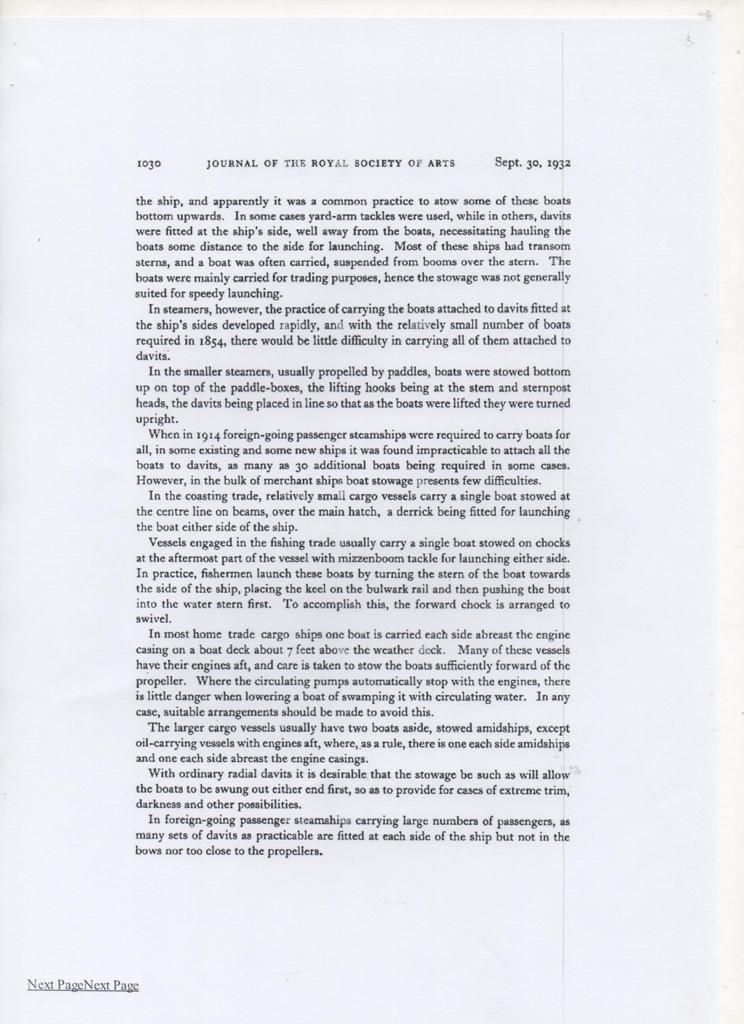
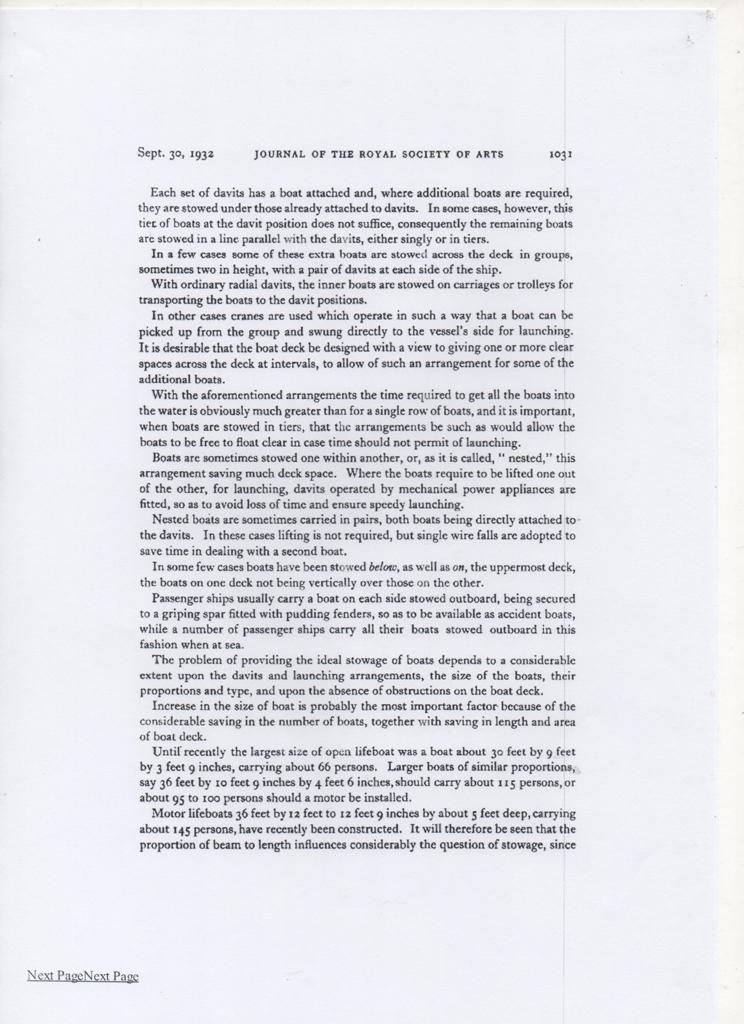
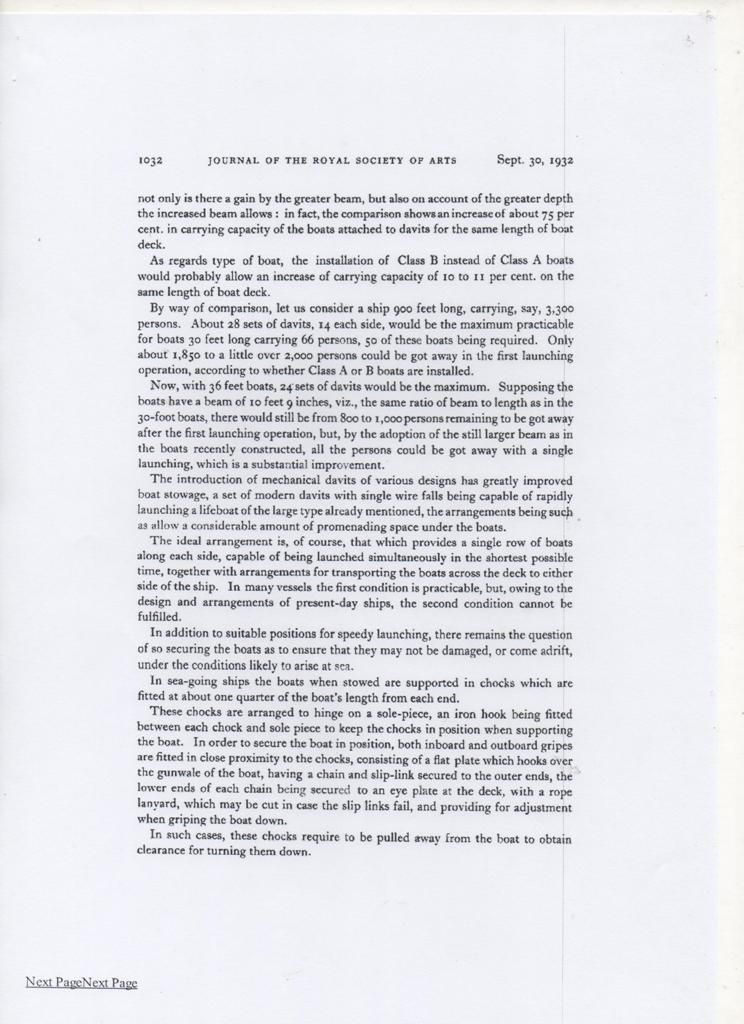
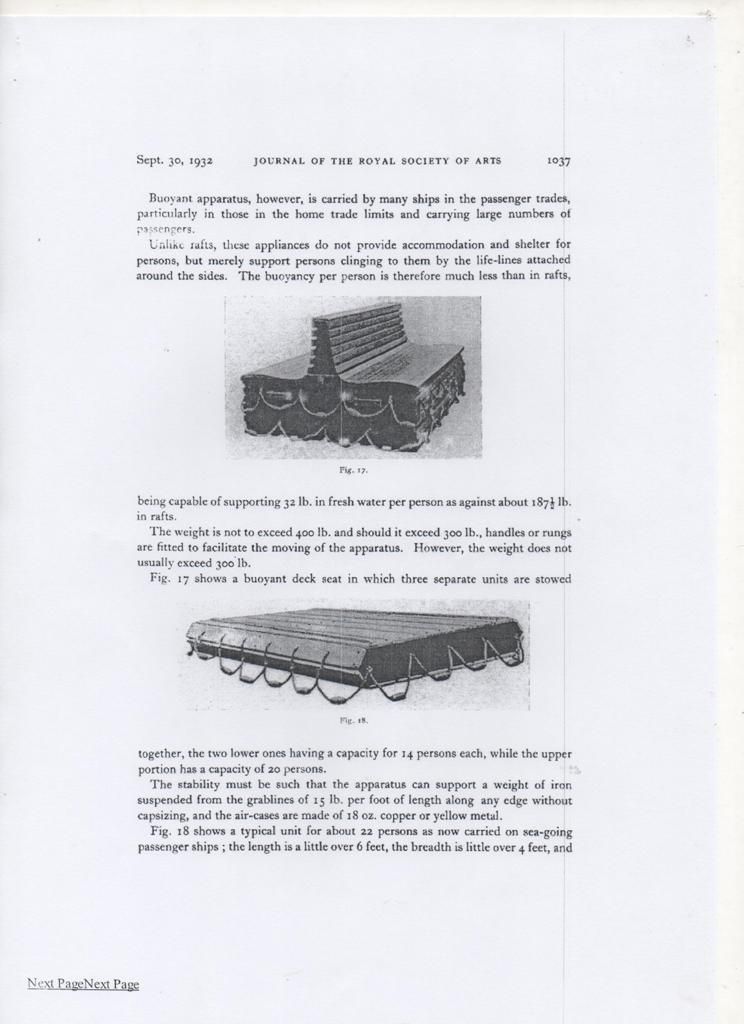
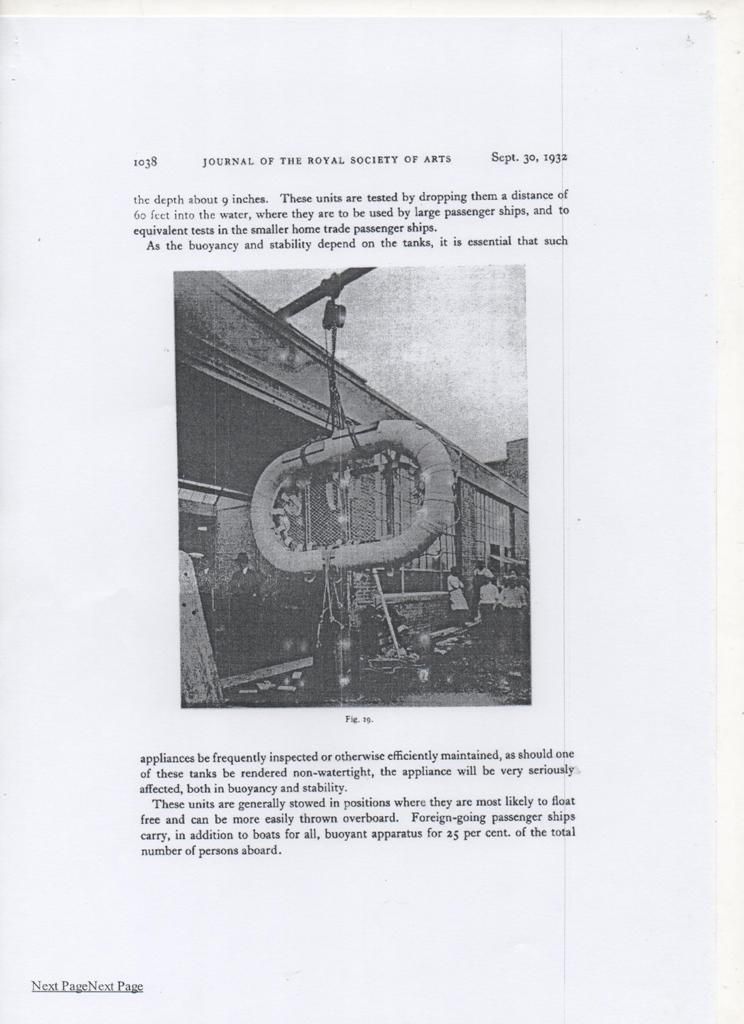
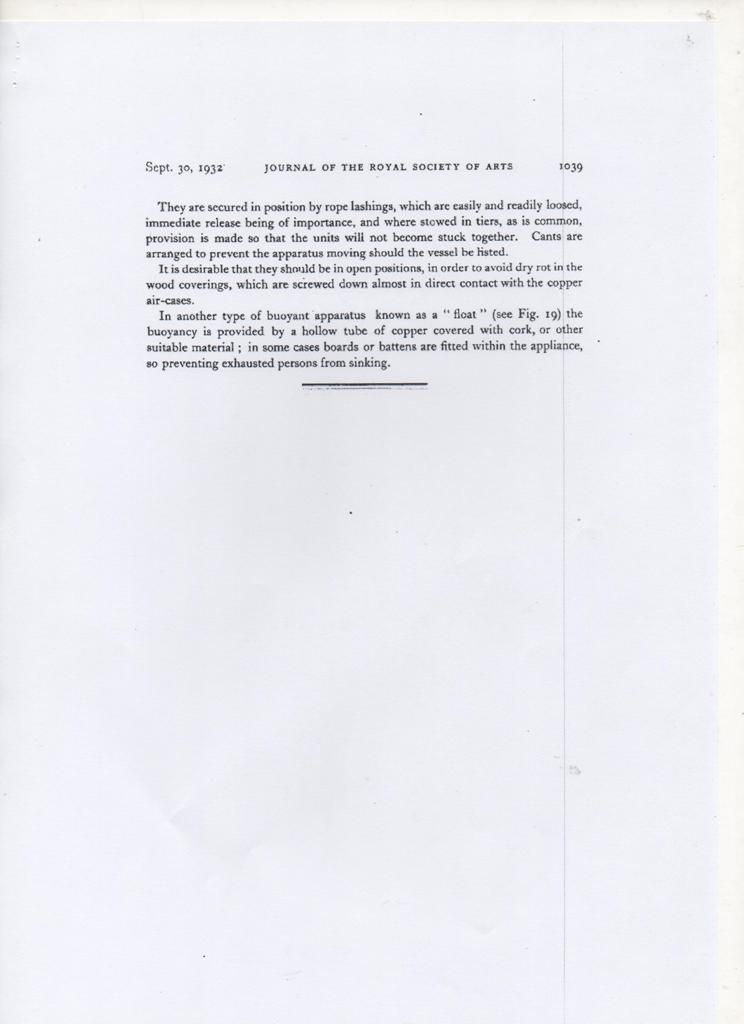
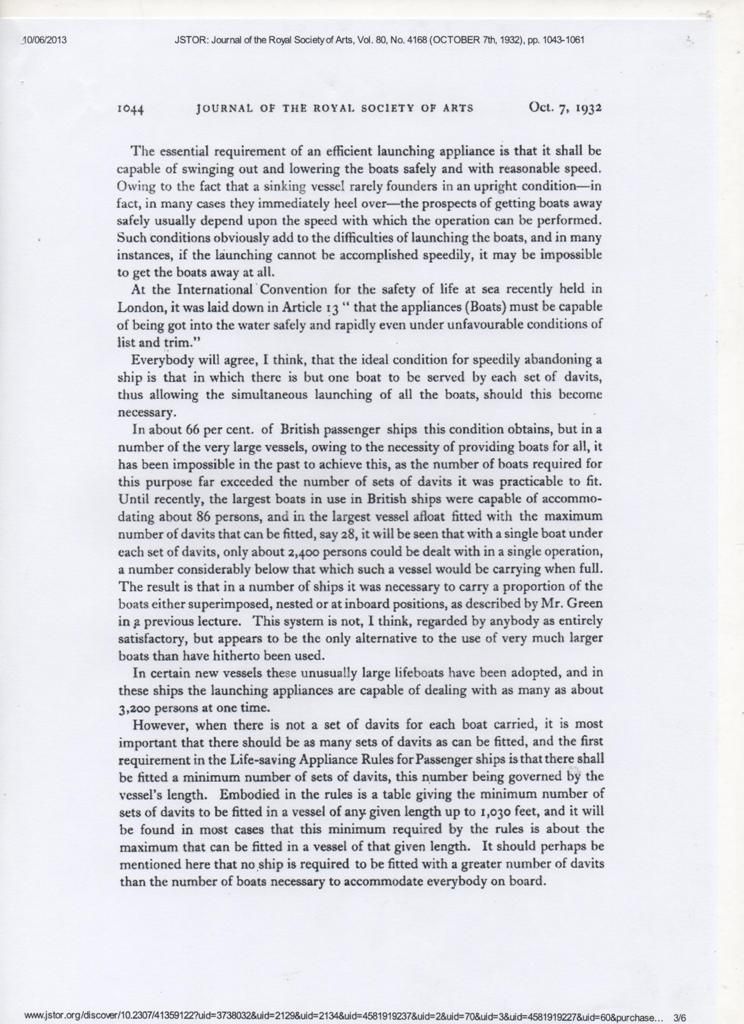
In November 1932, Oscar gave lectures on Life-Saving Appliances on Merchant Ships, and these were known as the Thomas Gray Lectures (see appendix). He was also responsible for the introduction of superior life jackets on all ships. He used to demonstrate the effectiveness of these life jackets by throwing his youngest daughter, Elizabeth into swimming pools and this proved the buoyancy of these life jackets by always making the wearer stay upright.
At the outbreak of the 2nd world war, Oscar Alfred was posted by the Admiralty to Uddingston near Glasgow and lived at 28, Kyle Park Crescent from 1940 until 1946. He was responsible for the convoys to and from the United States and the safety of merchant vessels to Russia. He retired after the war and moved to Selsey in West Sussex where he continued to sail for pleasure in the English Channel in his own boat called the bluebell. In one incident, (I understand), he was sailing with his friend George Green (co-author of the lectures on life saving) and a sudden squall built up. It was reported that many small boats were in difficulty and the Folkestone lifeboat was launched, but they refused their help as he mentioned he was a qualified sailor and was in no danger. As the lifeboat turned away, it hit the sailing craft "bluebell" and caused severe damage and they indeed had to be taken on board the lifeboat. The incident was reported on the local news and Grace Barrand only heard of the incident via the radio broadcast.
There was hardly any time that Oscar Alfred would be seen without his trusted pipe and this was also something that he would have seen from several of the Barrand family members. It is known that many of them smoked a pipe.
Oscar Alfred died in Selsey in 1953 at the age of 72 and was buried in Chichester Cemetery. Death Ref: Chichester 1953 - 4th Qtr (5h - 443) Grace died several years later in 1959 at the age of 74. Death Ref: Chichester 1959 - 2nd Qtr (5h - 533)
UNDER CLAUSE 7 OF THE ORDER IN COUNCIL OF
10TH JANUARY, 1910.
.Board of Trade: Ship (Nautical) Surveyor,
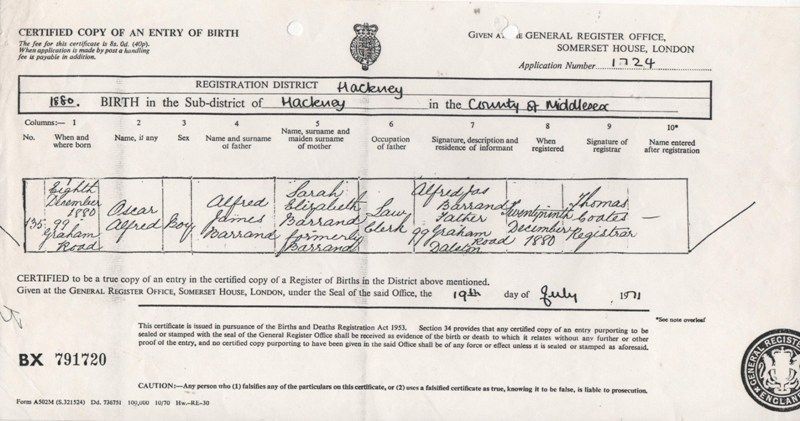
Birth certificate of Oscar Alfred Barrand
| |||||
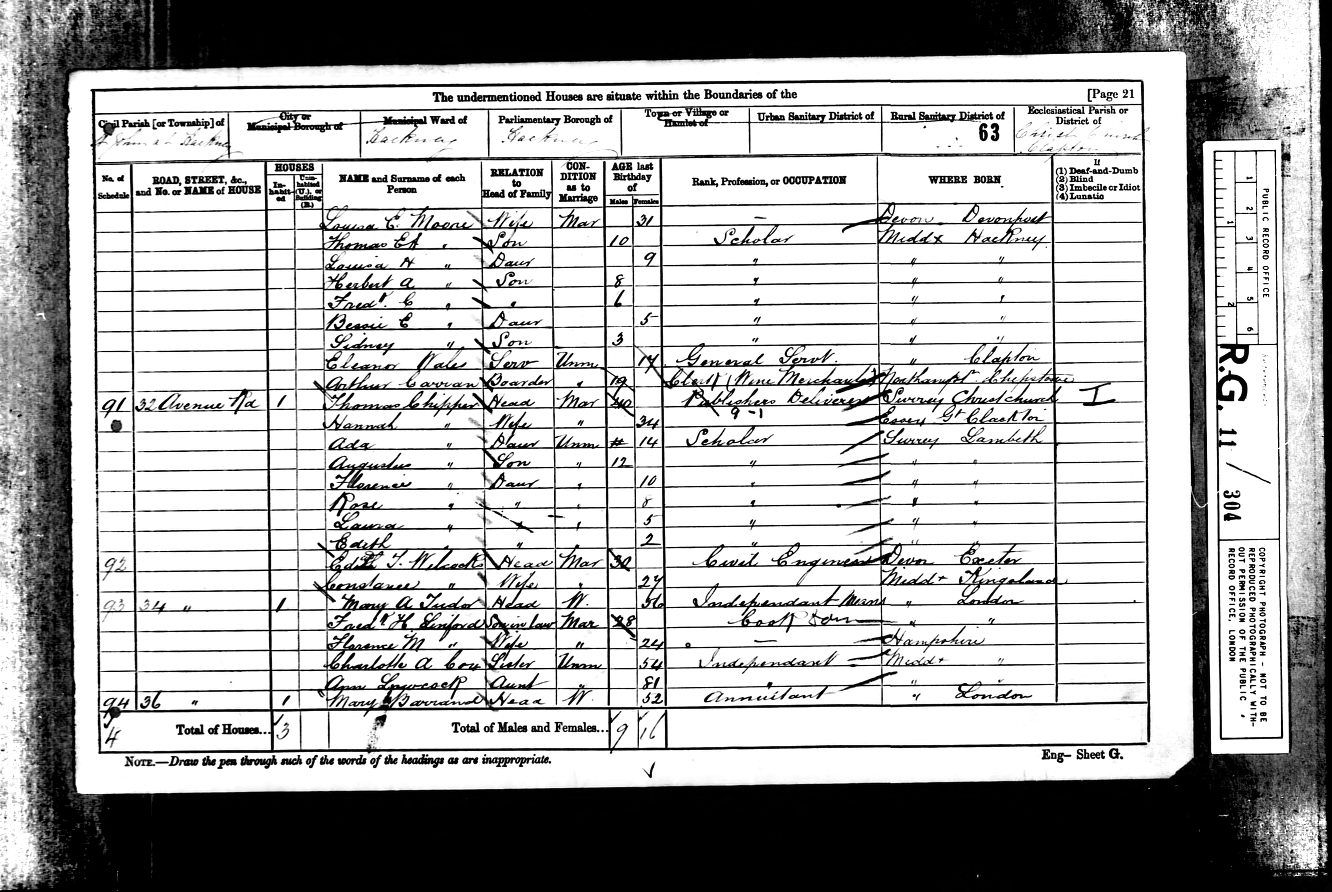
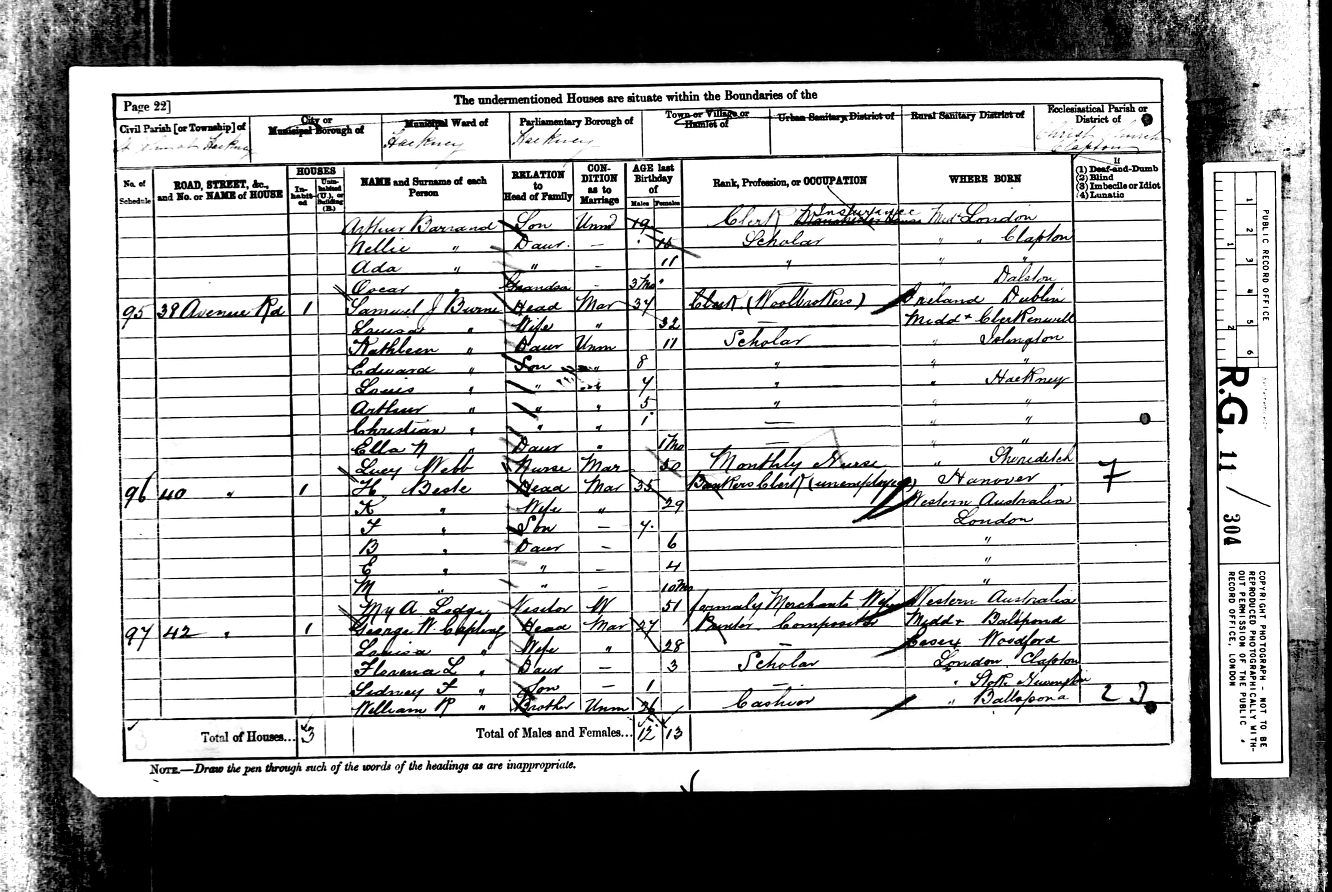
1881 Census – living with Mary Reece (Grandmother)
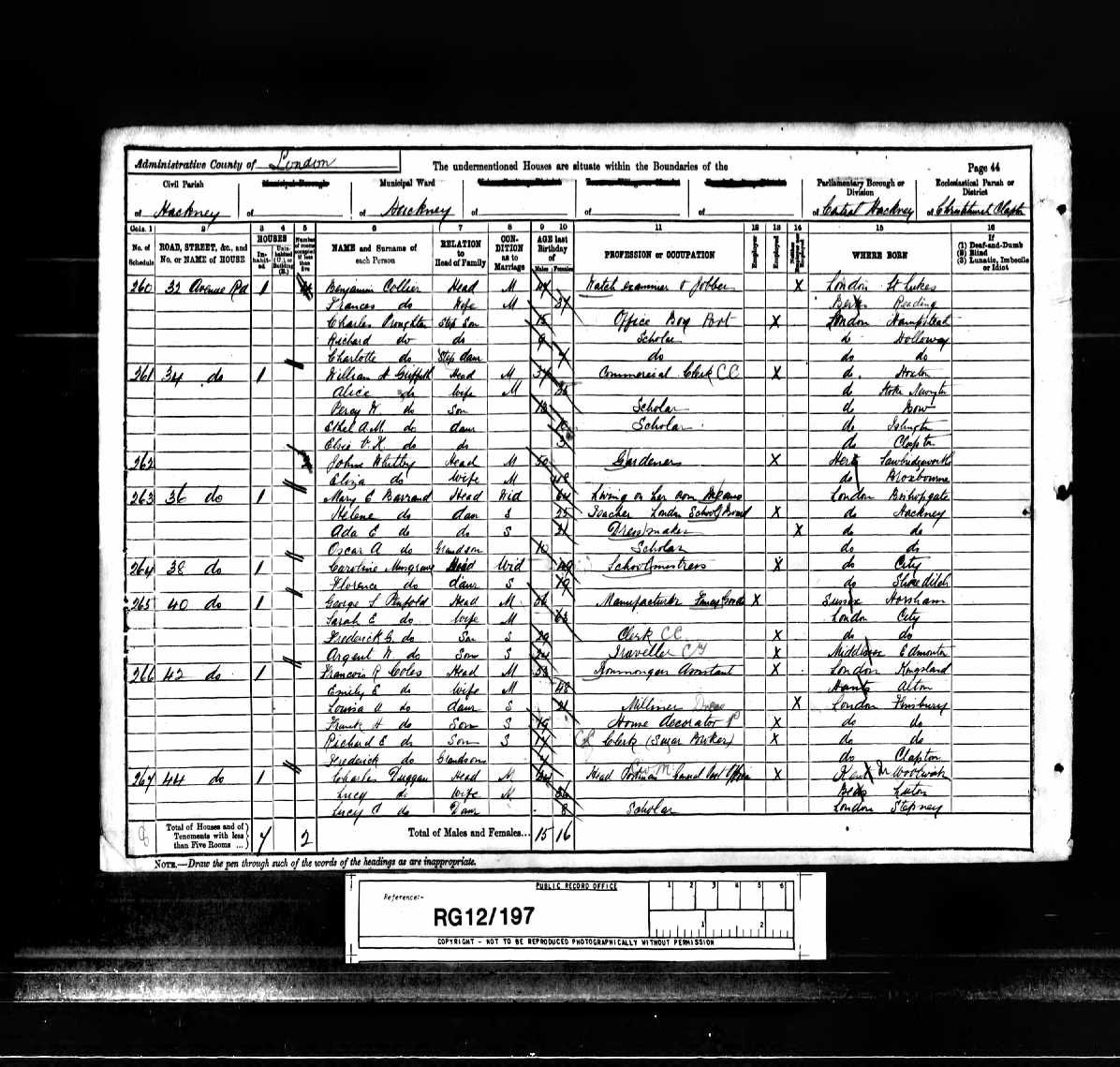
1891 Census – With Grandmother
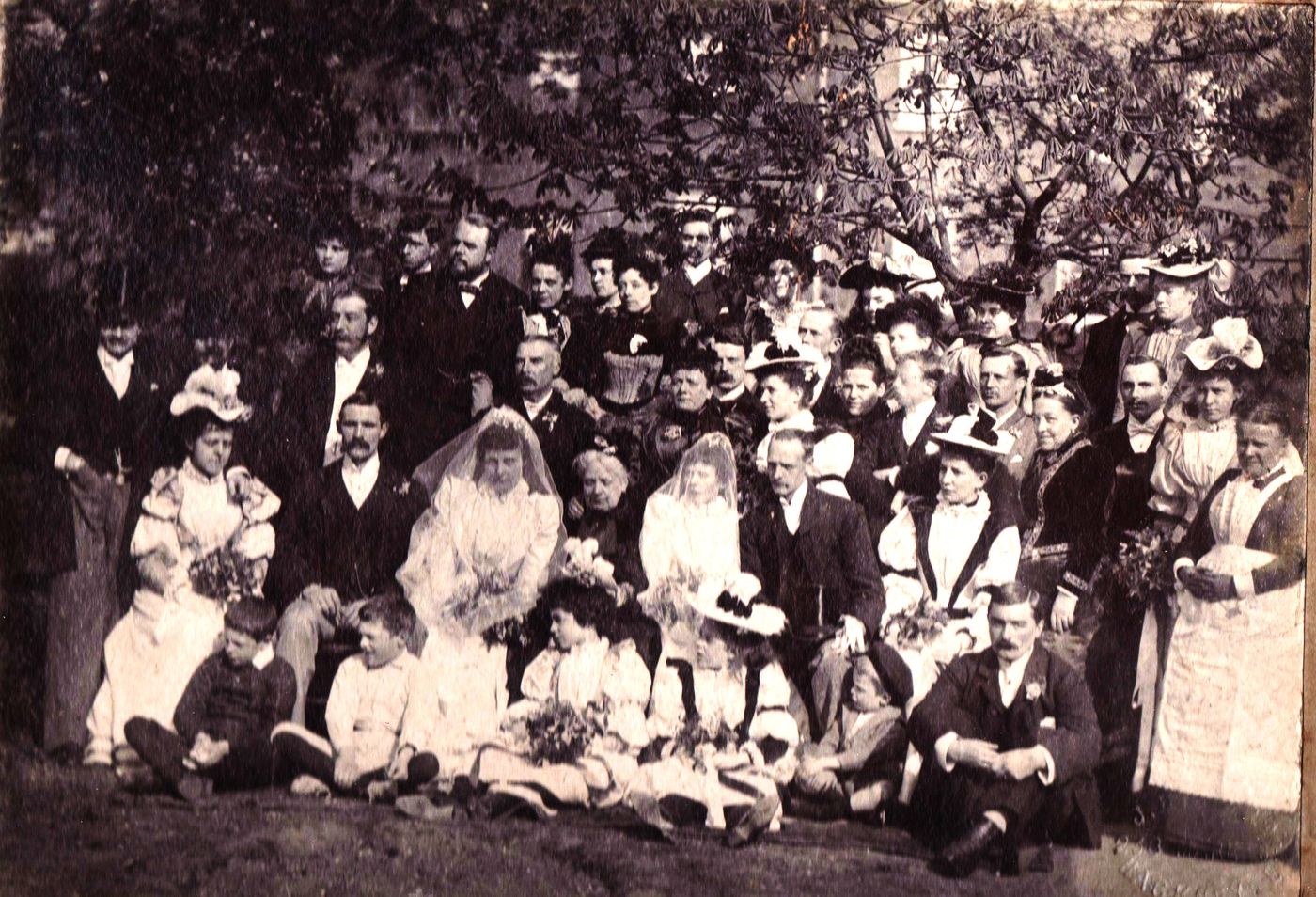
Taken in 1895 – Double wedding of Helene Susan Sophia and Ada Ethel Barrand
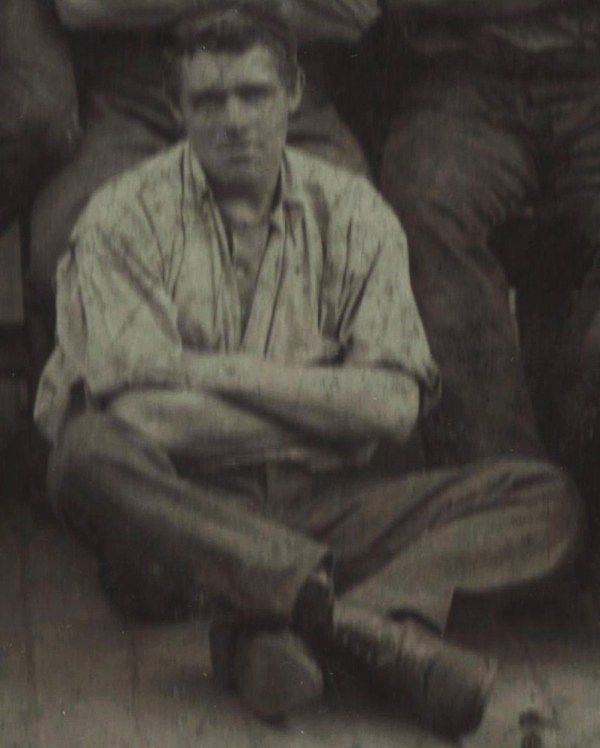
Taken around 1900, aged 20 on board the Hiddekel.
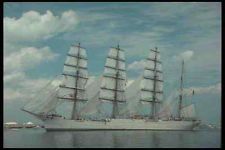 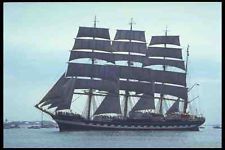 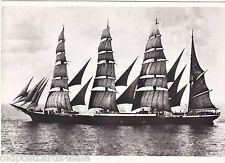 | |||||||||||
4 masted barques similar to the Hiddekel c1900 A Barque is a sailing ship with at least 3 masts, all of the square-rigged except for the sternmost one which is fore and aft rigged.
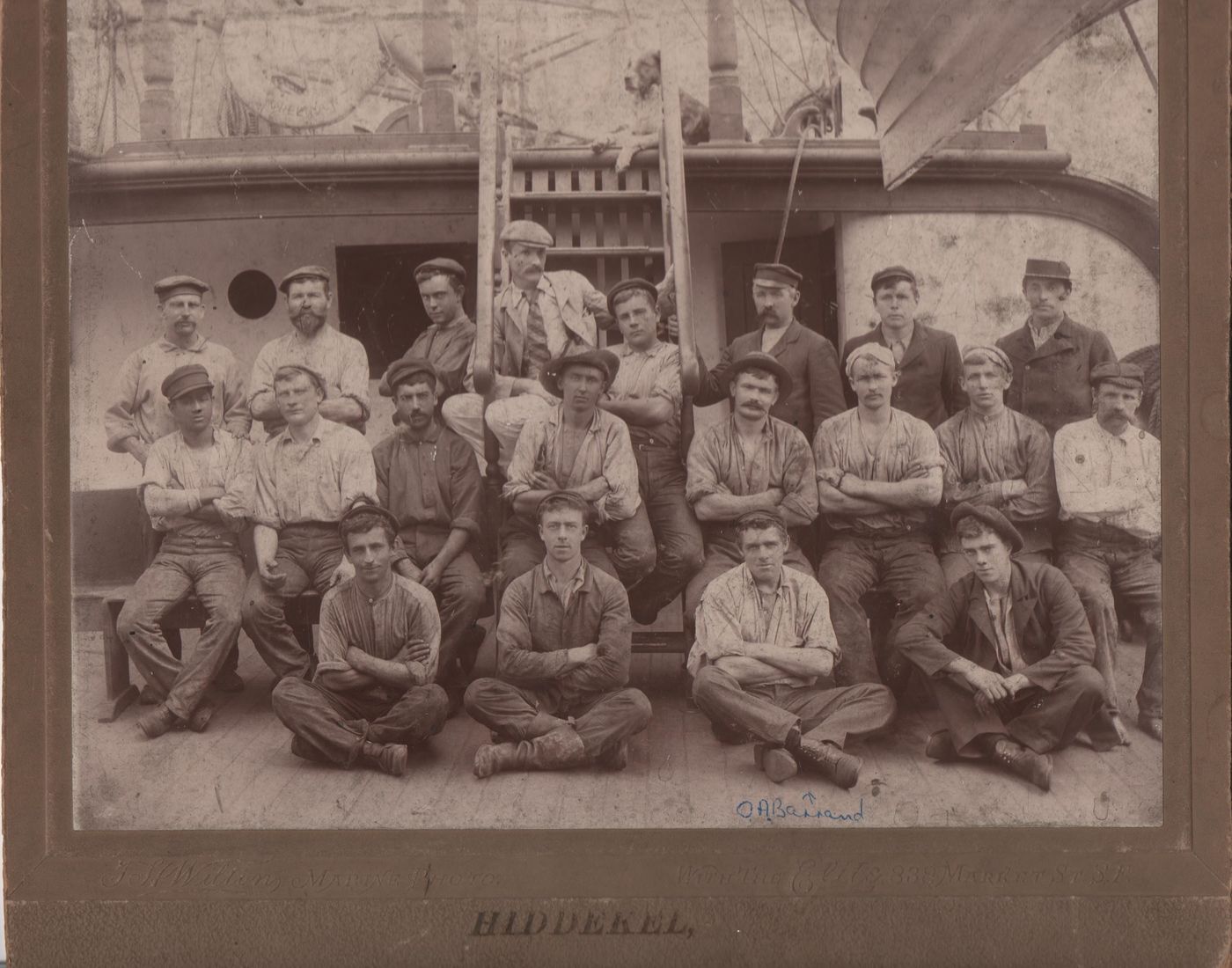
Crew of The Barque Hiddekel Oscar Alfred Barrand
1892 September Launched at the shipyard of Barclay, Curle & Co., Glasgow, for R. Hill & Co. Captain W. Oudray.
1902 December 17th Wrecked on a reef at Cape Lighthouse, Houts Bay, South Africa, on voyage Newport, Mon., to Capetown.
Shipping log of the Hiddekel
QUARANTINED VESSELS The Sydney Morning Herald - Friday 30 March 1900
The ship Hilddekel, which was ordered into quarantine upon her arrival from Calcutta several days ago, was granted pratique this afternoon. It appears that seven days after her departure from the port of Calcutta one of the members of the crew died from Asiatic cholera, and several others were attacked with a severe form of dysentry and malaria. The vessel was therefore detained in quarantine here until all cause for alarm had been removed. No further cases of sickness have developed since the arrival of the vessel in this port, and her release was therefore ordered today by Dr Russell, Port Health Officer. One of the crew suffering from dysentry was admitted into the Newcastle Hospital to-night, and the boatswain, who sustained injuries at sea by falling down the hold of the ship, was also conveyed to the institution.
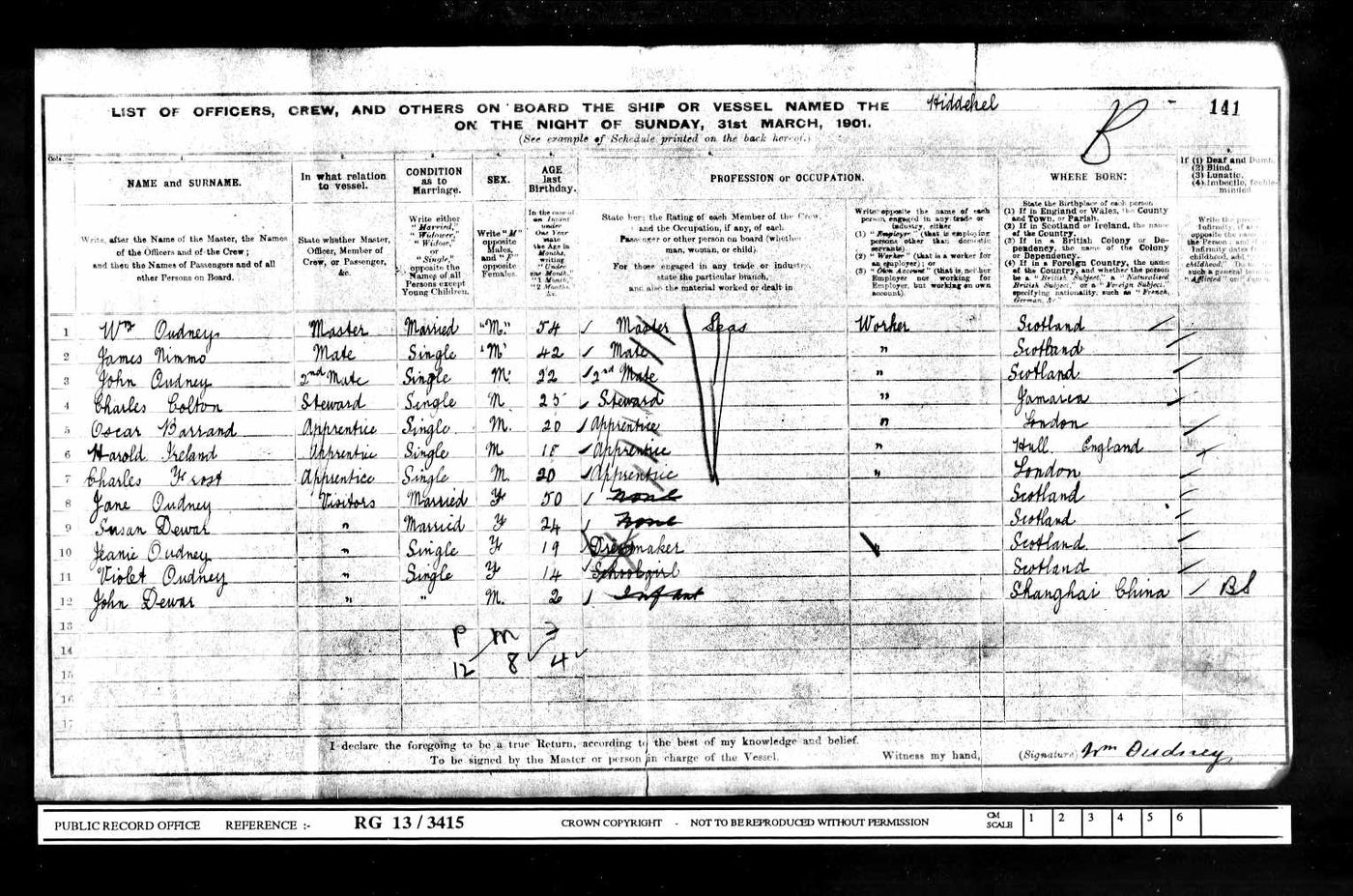
1901 census on the Hiddekel
Donald McInnes, carpenter, ship ‘Hiddekel’, husband of Jane Thomson, 21 Nicolson Street,Greenock, died at sea on 4th July 1902 (Greenock Telegraph 16.9.1902)
sv HIDDEKEL
built by Barclay Curle & Company Glasgow,
Yard No 377
Launched: Tuesday, 06/09/1892
Built: 1892
Ship Type: Barque
Tonnage: 2655grt, 2499nrt
Length: 296.0 feet
Breadth: 45.7 feet
Draught: 25.7 feet depth
Owner History:
Matthew & Robert Hill and others, Greenock
1901 The Ship Hiddekel Co Ltd (mng Robert Hill), Greenock
Status: Wrecked - 18/12/1902
Remarks:
ON 99784
Struck rock off Hout Bay, near Cape Town, abandoned and sank
REPORT of a Court of Inquiry, appointed by His Excellency the Governor in Council of the Colony of the Cape of Good Hope, held for the purpose of investigating the circumstances attending the casualty to, and subsequent abandonment and foundering, near the Cape Lighthouse, on the 17th December, 1902, of the British barque "Hiddekel" of Greenock, WILLIAM OUDNEY, master, holden at Cape Town, on the 31st day of December, 1902, before JOACHIM WILHELM HEYNEMANN RUSSOUW, Esquire, Acting Resident Magistrate for the District of the Cape, SAMUEL MURDOCH, master of the British barque "General Roberts," and MOSES LEANDER PORTER, master of the British ship "Red Rock," duly appointed to constitute such Court under Government letter No. 5/356, dated 29th December, 1902. Judgment. 5th January, 1903. We consider that the captain committed an error in judgment; that he was nearer in shore than he anticipated, the night being hazy and the Good Hope light not clearly visible. We consider that the ship was lost by the indraft of the current. We take into consideration that the captain has a good record; that he has been master for a number of years and never had a casualty before, and his certificate will therefore not be dealt with. The mates obeyed orders and are not in default and their certificates are therefore not dealt with. J. W. H. RUSSOUW, Acting Resident Magistrate, President. SAML. MURDOCH, Master, ship "General Roberts. M. L. PORTER, Master, ship "Red Rock." (Issued in London by the Board of Trade on the 20th day of February, 1903.) |
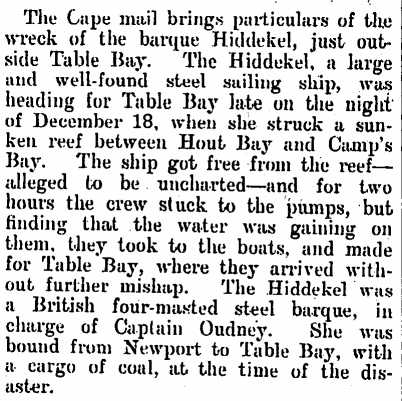
Poverty Bay Herald, Volume XXX, Issue 9649, 26 January 1903, Page 2
  | |||||||||
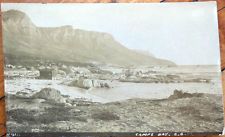
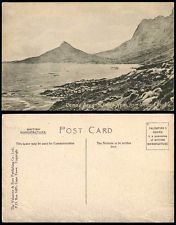
Photographs of Houts Bay, Cape Town, South Africa
  | |||||||||
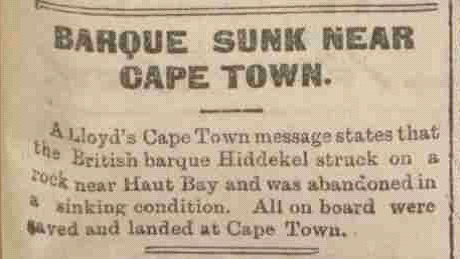
Shields Daily Gazette 19 December 1902 and Edinburgh Evening News 18 December 1902
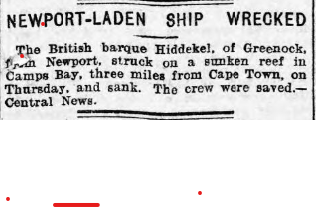
Welsh Evening Press 20th December, 1902
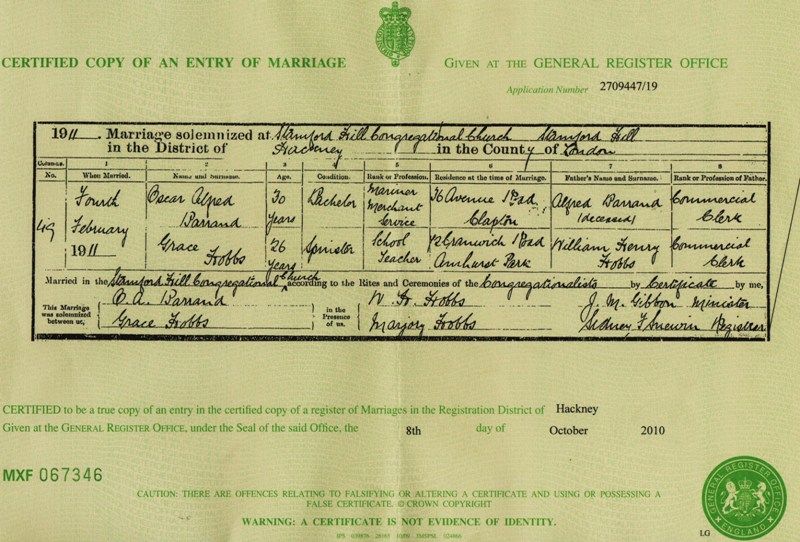
Marriage certificate of Oscar Alfred Barrand and Grace Hobbs 1911
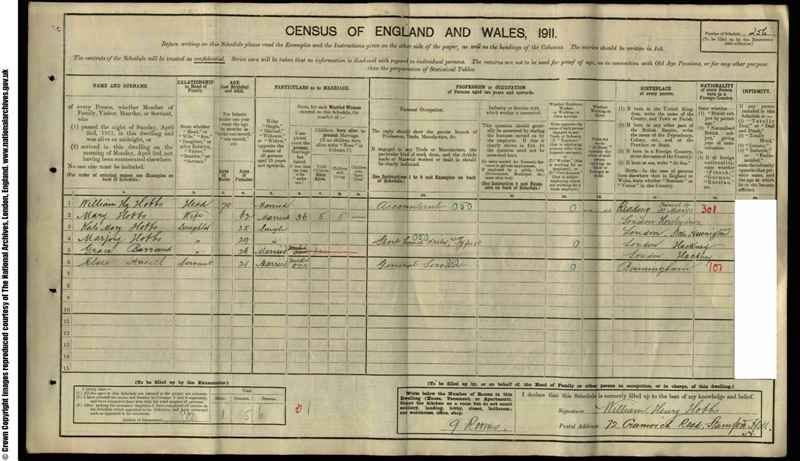
1911 census of Grace Hobbs – living with parents
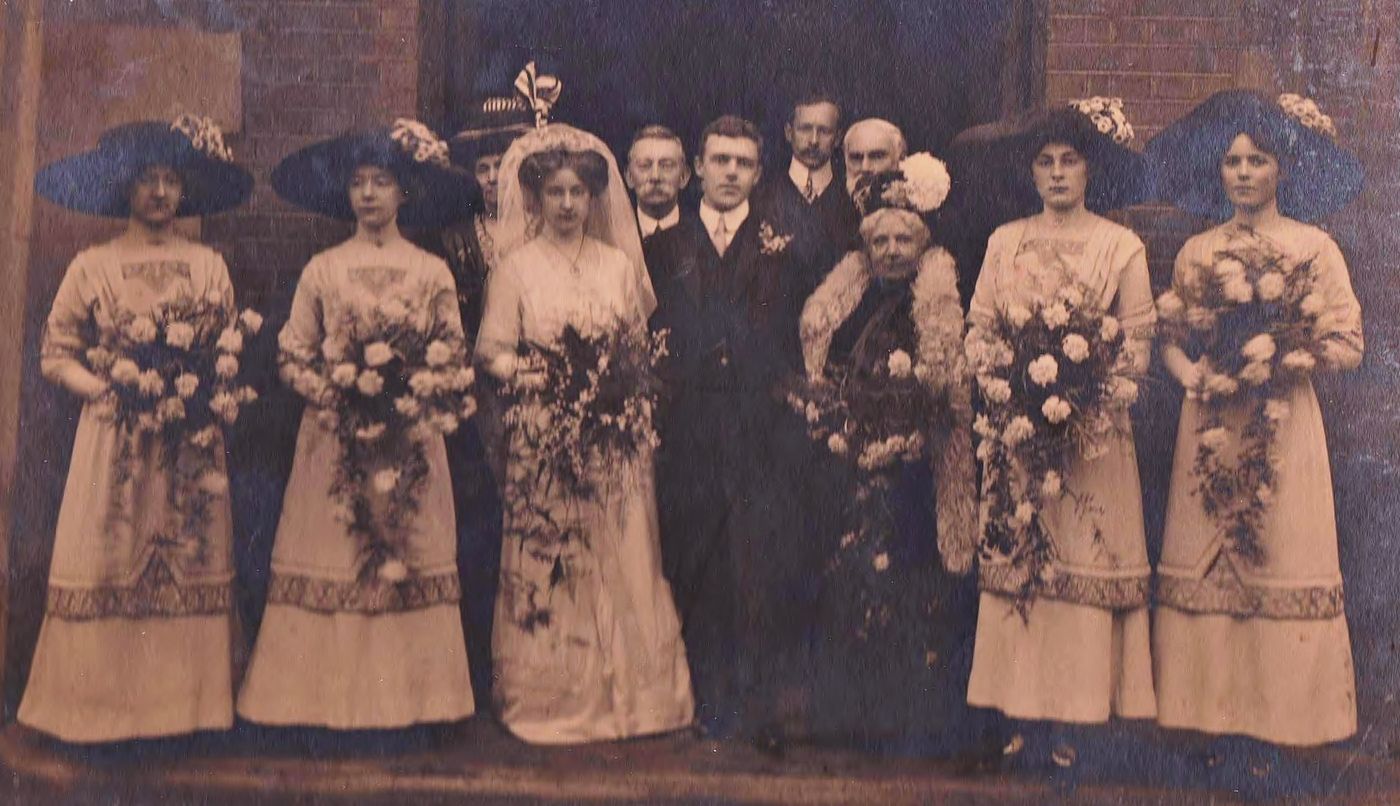
Marriage of Oscar Alfred Barrand and Grace Hobbs 1910
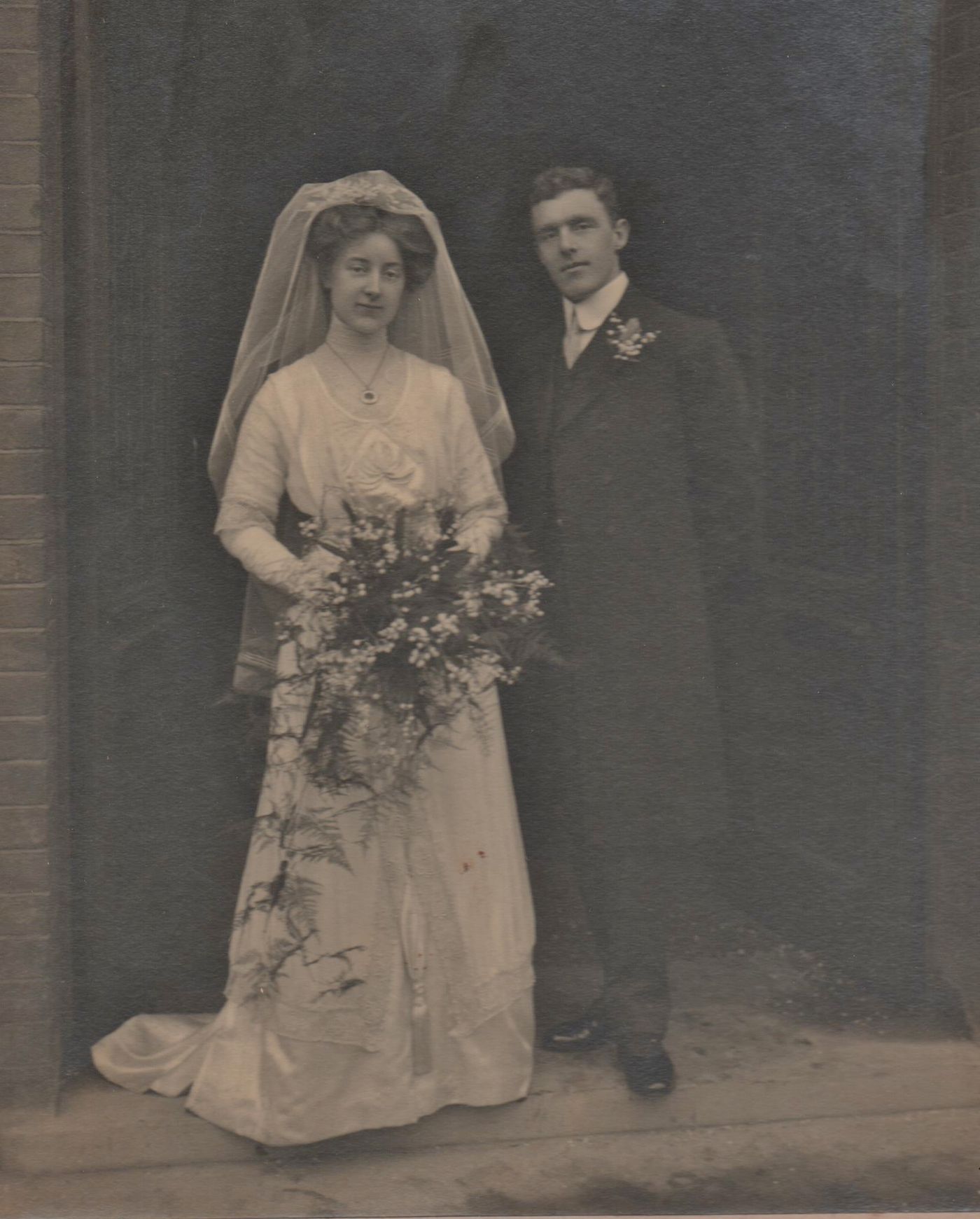
Marriage Oscar Alfred Barrand and Grace Hobbs
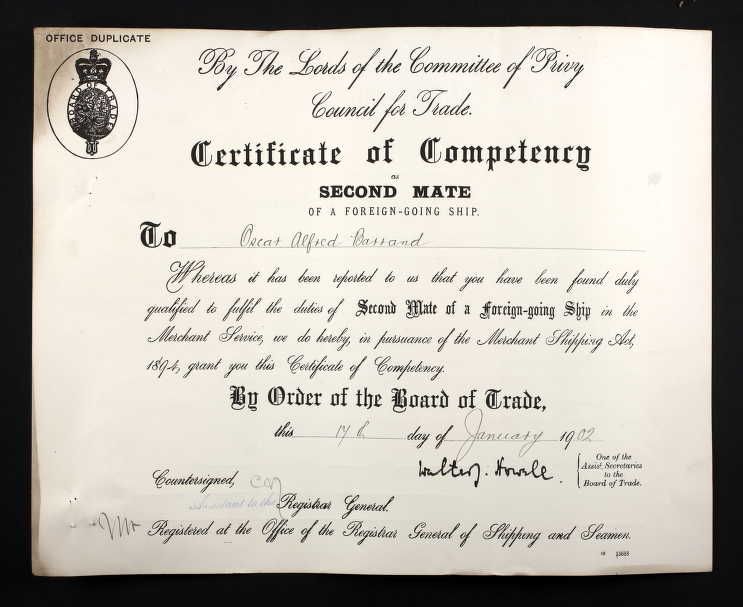
Certificate of Competency 1902 – 2nd Mate - 17th January, 1902
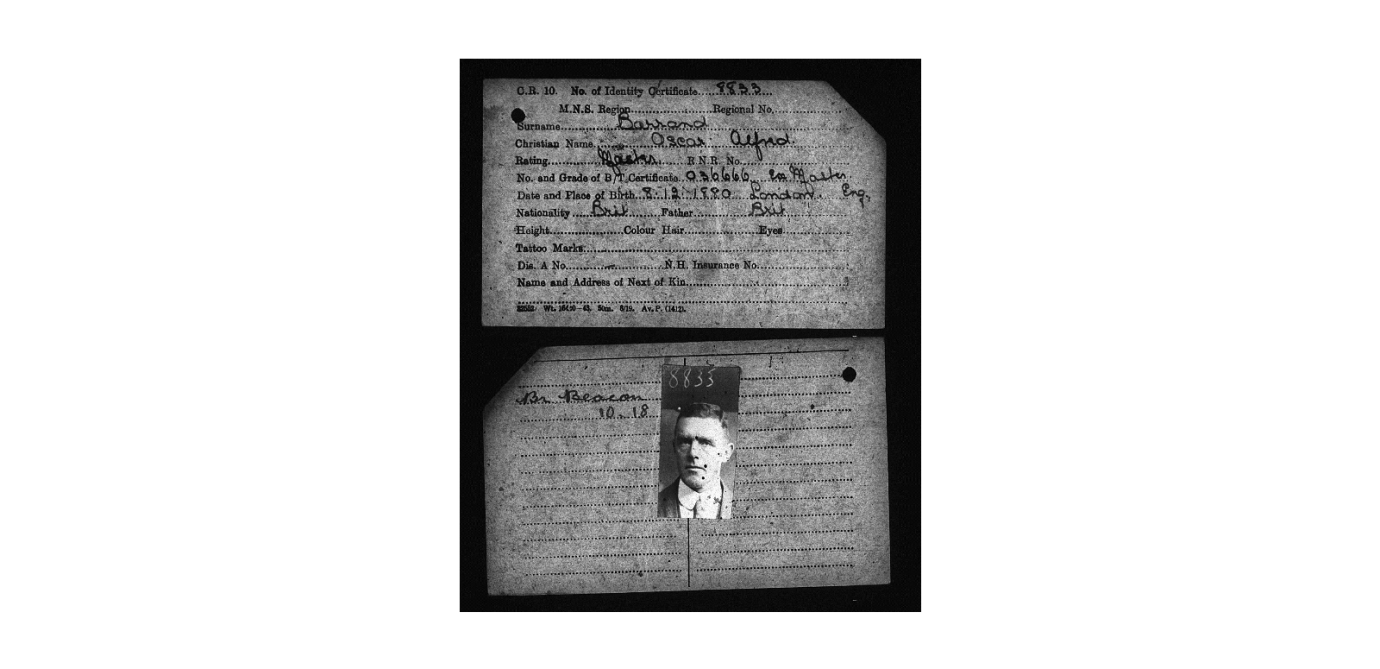
Seaman's certificate
ANMM Library Index to BT 128 Board of Trade. Registrar General of Shiping and Seamen. Registers of Certificates of Competency. Masters and Mates : Colonial Trade. 1870-1921. AJCP PRO 6894
AJCP PRO: 6895 [Box 2]. Piece 18: Tasmania 1876-1919 1 + CERTIFICATE ISSUED
NAME No. DATE DESCRIPTION WHERE PLACE OF BIRTH DATE OF BIRTH
Adams, Edgar Lucas 400 20 Nov. 1913 2 Mate Hobart Cape Town, South Africa 1883
Adams, Edgar Lucas 413 18 March 1915 1 Mate Hobart Cape Town, South Africa 1888
Allason, Edwin 2 21 April 1876 Only Mate Hobart Hobart Town 21.2.55
Allen, Abel 311 26 Jan. 1905 Master Hobart Wolverhampton 1878
Allsopp, Geo. Francis Edward 103 9 Jan. 1885 2nd Mate Hobart Hobart 1864
Allsopp, George Francis Edward 121 27 Aug. 1886 1st Mate Hobart Hobart 1864
Anderson, Peter 230 18 Aug. 1896 Only Mate Hobart Finland 1860
Anderson, Robert Neill 332 21 Jan. 1907 Second Mate Hobart Auckland, New Zealand 1878
Anderson, Robert Neill 349 25 Nov. 1908 First Mate Hobart Auckland, N.Z. 1878
Anderson, Robert Neill 368 25 Oct. 1910 Master Hobart Auckland, N.Z. 1878
Anderson, Stanley Norwich 440 1 Nov. 1917 2 Mate F & A Hobart Lyttelton, N.Z. 1894
Atkins, Edward Draper 127 3 Feb. 1887 2nd Mate Hobart - -
Atkins, Edward Draper 144 26 Oct. 1888 1st Mate Hobart Williamstown, Victoria 1865
Atwell, Leslie George 367 5 Oct. 1910 2 Mate Hobart Hobart, Tasmania 1884
Atwell, Leslie George 379 17 April 1912 1 Mate Hobart Hobart, Tasmania 1885
Atwell, Leslie George 393 15 July 1913 Master Hobart Hobart, Tasmania 1885
Barrand, Oscar Alfred 304 29 March 1904 1st Mate Hobart London 1880
Batty, Cyril Howard 401 18 Dec. 1913 1 Mate Hobart Madras, India 1891
Baxter, Arthur Robert 450 2 May 1919 1 Mate SS Hobart Bootle, Lancs. 1893
Bennison, Henry 21 1 March 1877 Second Mate Hobart Hobart Town 29.6.56
Bilton, Fredrick Gordon Blenman 313 28 April 1905 Master Hobart Bridgewater, Tasmania 1879
Bowden, Henry Chas. 68 27 Jan. 1882 Master Hobart Horsham, Victoria 1857
Bradley, Archibald John 257 7 Dec. 1898 2nd Mate Hobart Melbourne 1871
Bradley, Arthur 308 2 Nov. 1904 Master Hobart Hobart 1878
Bradley, John 316 30 Oct. 1905 Second Mate Hobart Hobart 1883
Granting of 1st Mates’ certificate 1904
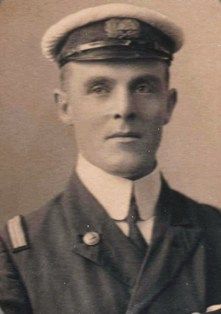
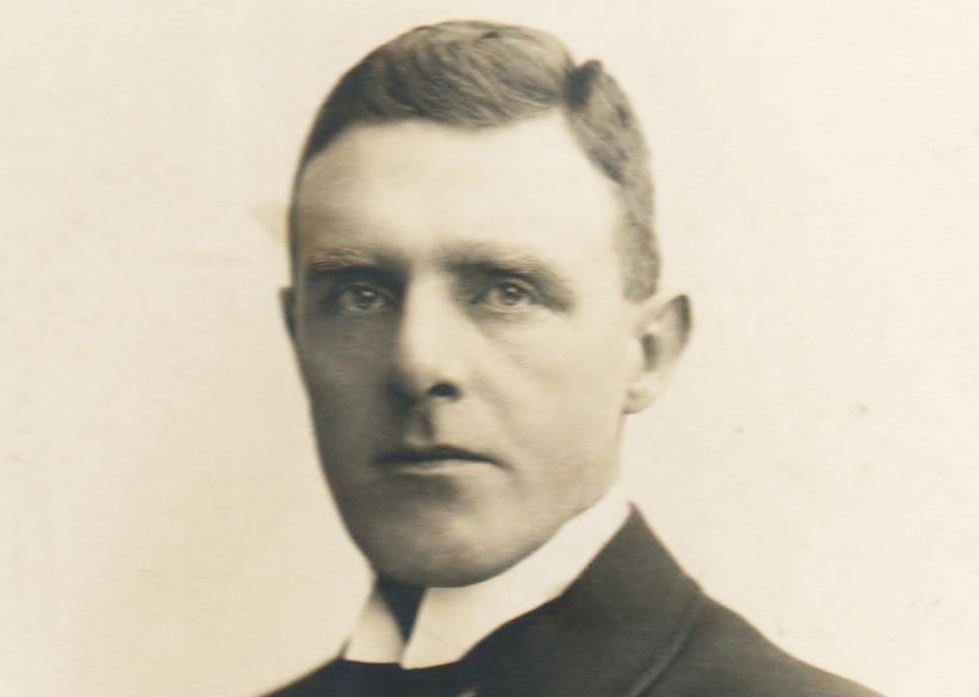
Photograph on obtaining Master’s Certificate
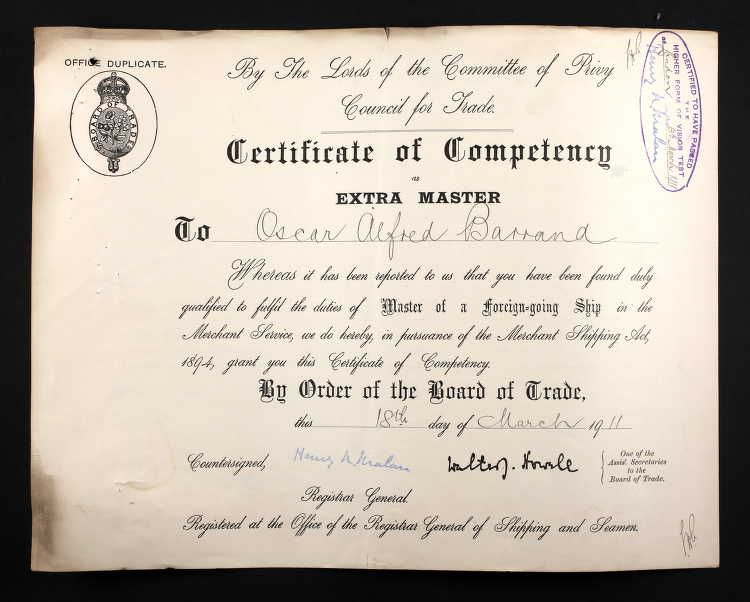
Masters’ Certificate of Competency 18th March, 1911
Index to the Captains Registers of Lloyd’s of London (Guildhall Library Ms 18567)
BARRAND, Oscar Alfred b. London 1880 Beng 294 Bengal 1908 & 036666 London 1911 Extra 1911
vol.74 Extra folio 18 1909-1911
Captain’s certificate 1909-1911
SS TWINGONE Steel 27'6" x 84'3" 710 Completed 10.12.1907 Delivered 23.6.1908 BURMAH OIL Co Ltd India 5, 10 x 6 1190 /07 To Tuticorin, Bombay
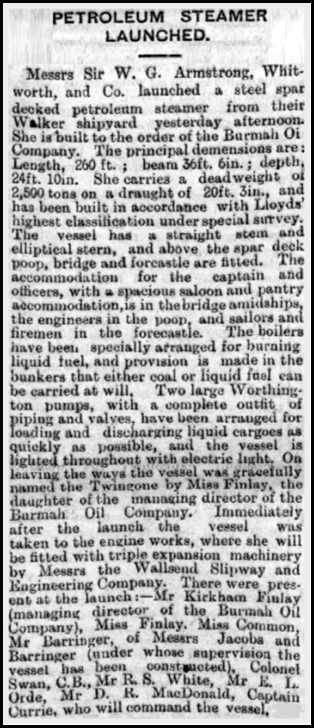
North Shields Times 1902 & Shields Daily News 23 July 1902 Shields Daily News 2nd Sept 1902
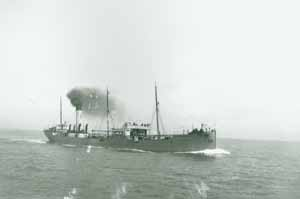
Title Yard no. 727, Twingone. Showing the oil tanker 'Twingone' on trials Date c1902
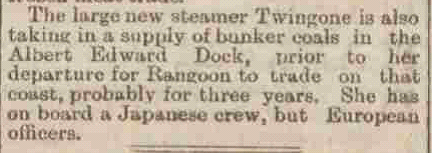
Shields Daily Gazette 27 August 1902
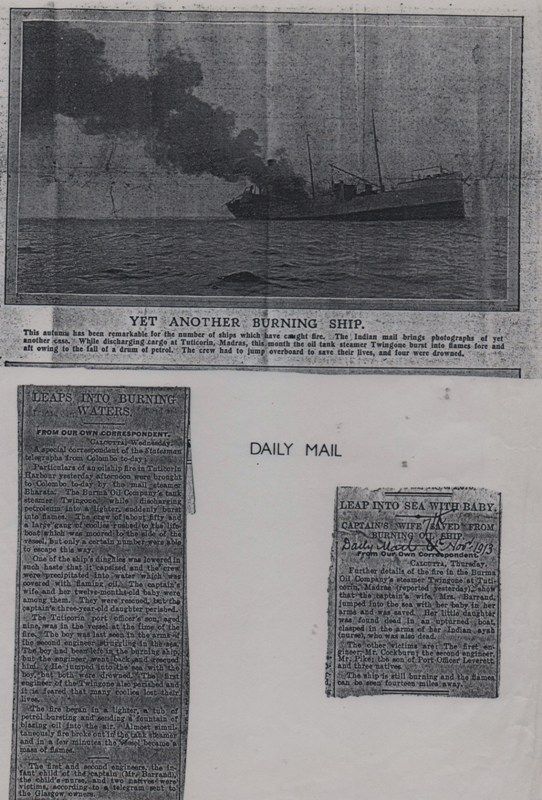
Daily Mail Newspaper cutting 1913
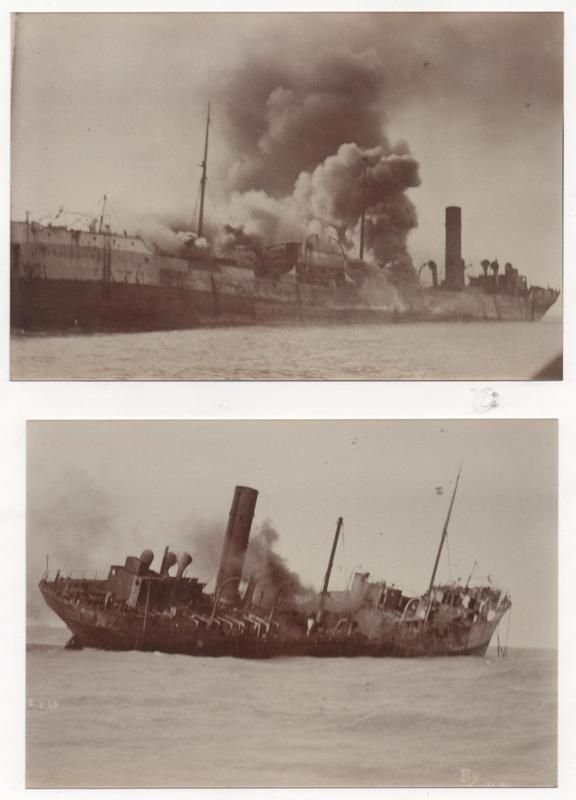
Photographs of the burning ship
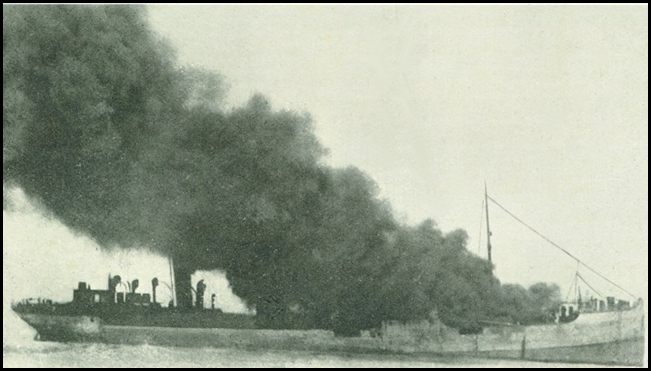
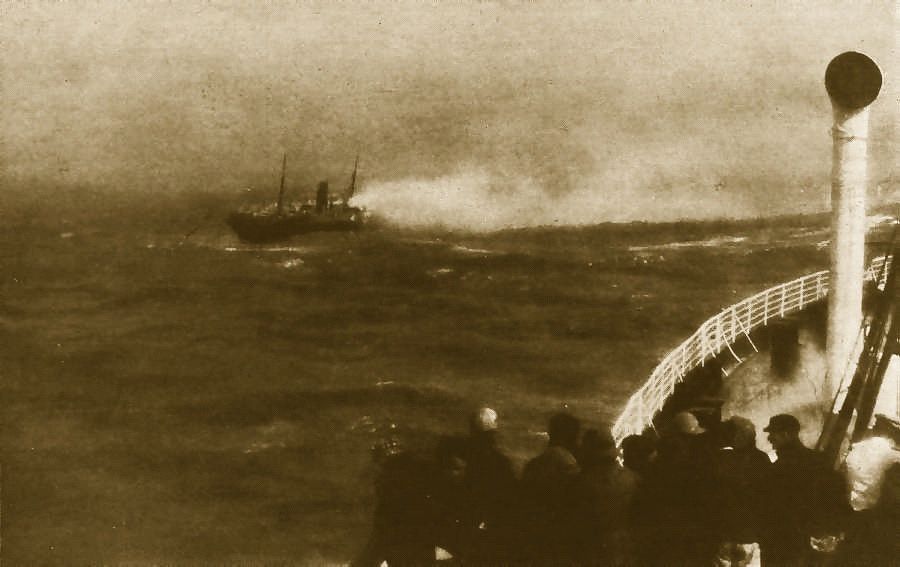
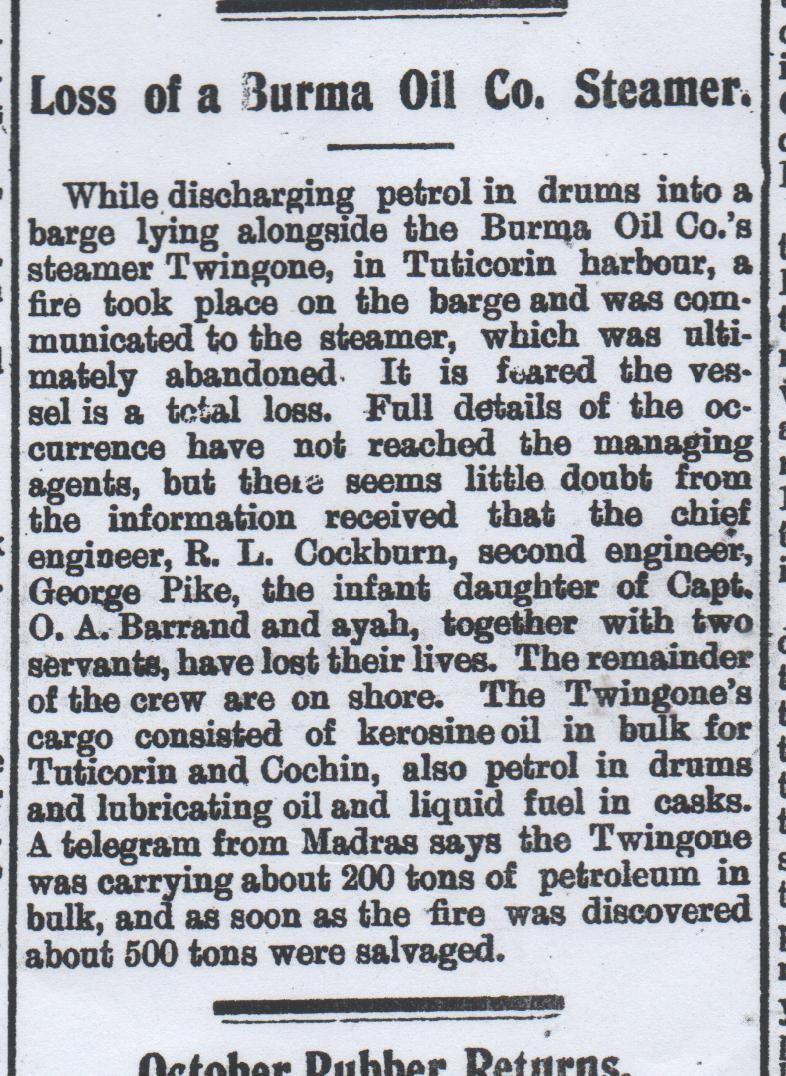
Daily Mail Newspaper cutting 1913
Auckland Star 7th November, 1913
| OCEAN TRAGEDY. | ||||||||||||||
| DESTRUCTION OF OIL STEAMER. | ||||||||||||||
| BOMBAY, The oil steamer which caught on fire yesterday off Tuticorin, at the south-east corner of India, was the Twingone, 1.771 tons, belonging to the Burmah Oil Co., of Rangoon. The vessel was totally destroyed. In addition to the two engineers, the son of the port officer, three servants and the captain's baby | ||||||||||||||
| daughter were burnt to death and also several coolies perished. | ||||||||||||||
| ||||||||||||||
Oil Steamer Destroyed By Fire – Several Perish Bombay, Nov 6. 1913
An oil steamer carrying two thousand tons of petroleum was destroyed by fire yesterday off Tuticorin.
Two engineers, three servants, the captain and his baby daughter were killed. The rest of the crew got ashore in time. Later information adds that the son of the Bombay port officer, another engineer, and several coolies also perished in the flames.
Kalgoorlie Miner (WA : 1895 – 1950 Saturday 8 November 1913

Yorkshire Post and Leeds Intelligencer 23 January 1914
“Strait Times” November 1913
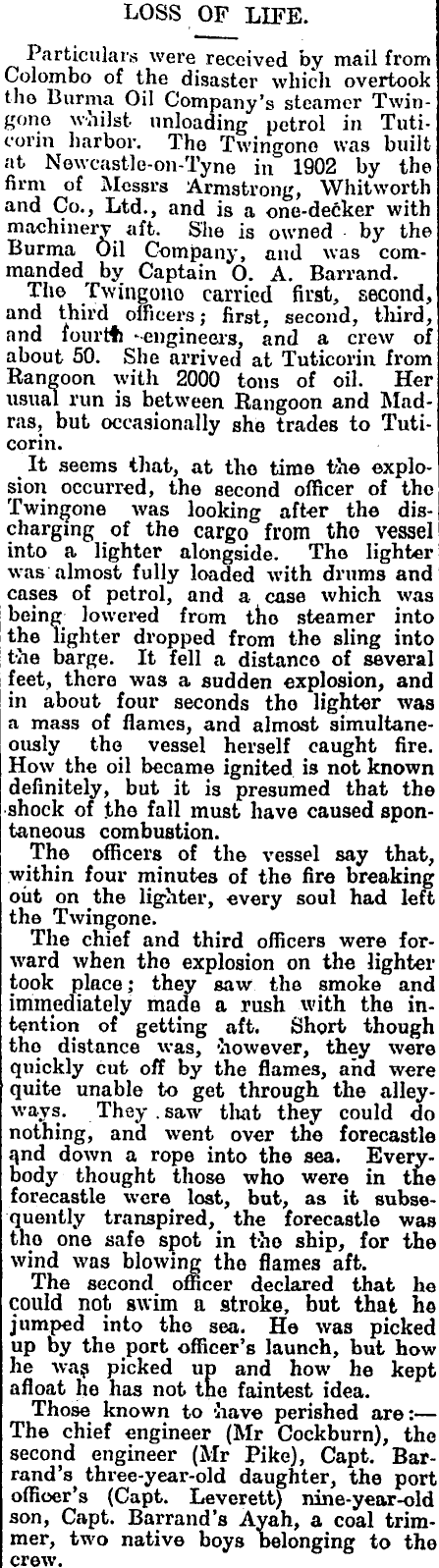
Daily Mail November 1913
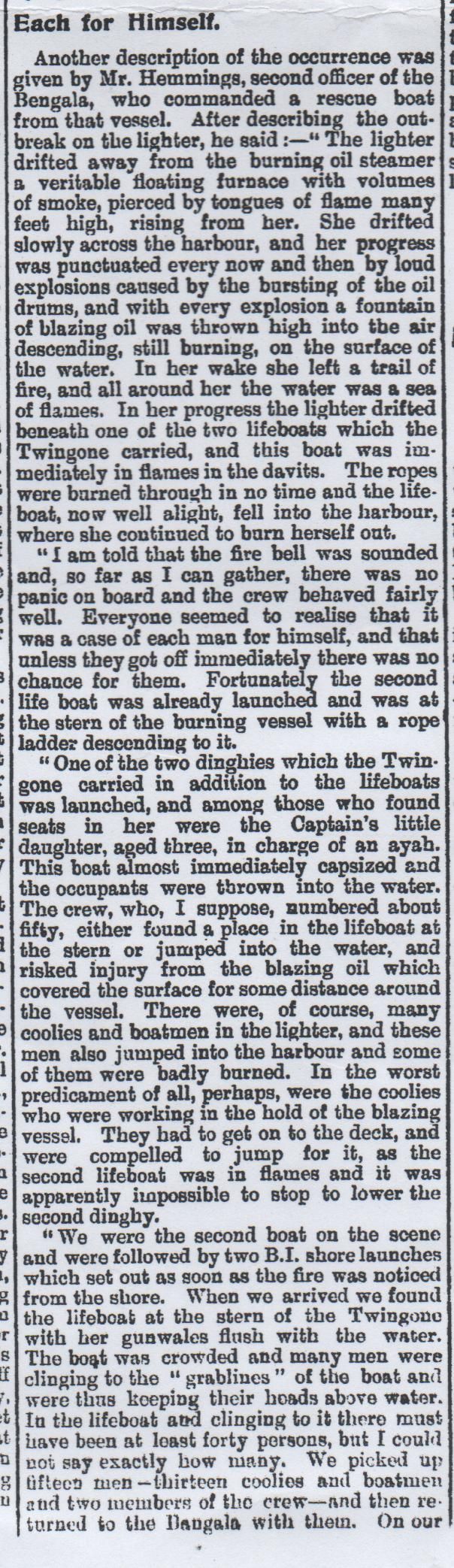
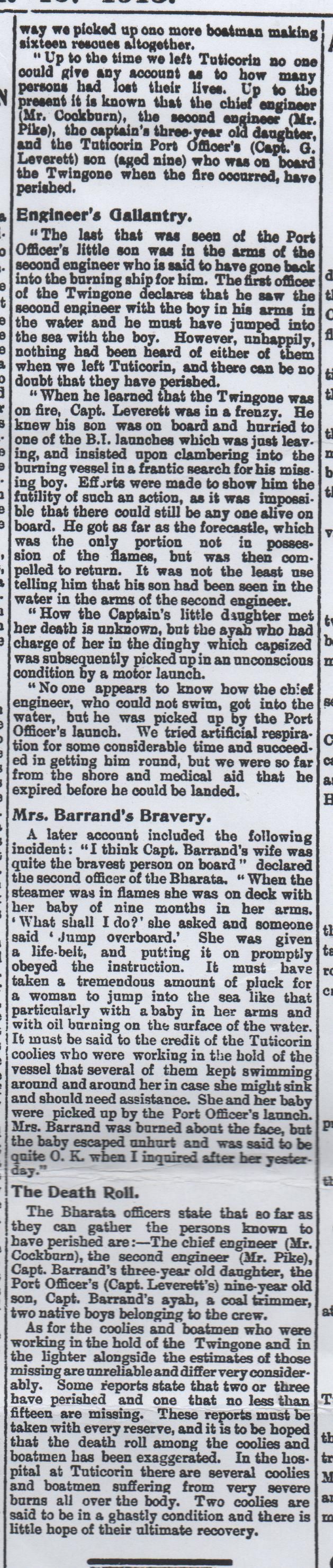 | |||||||||||||
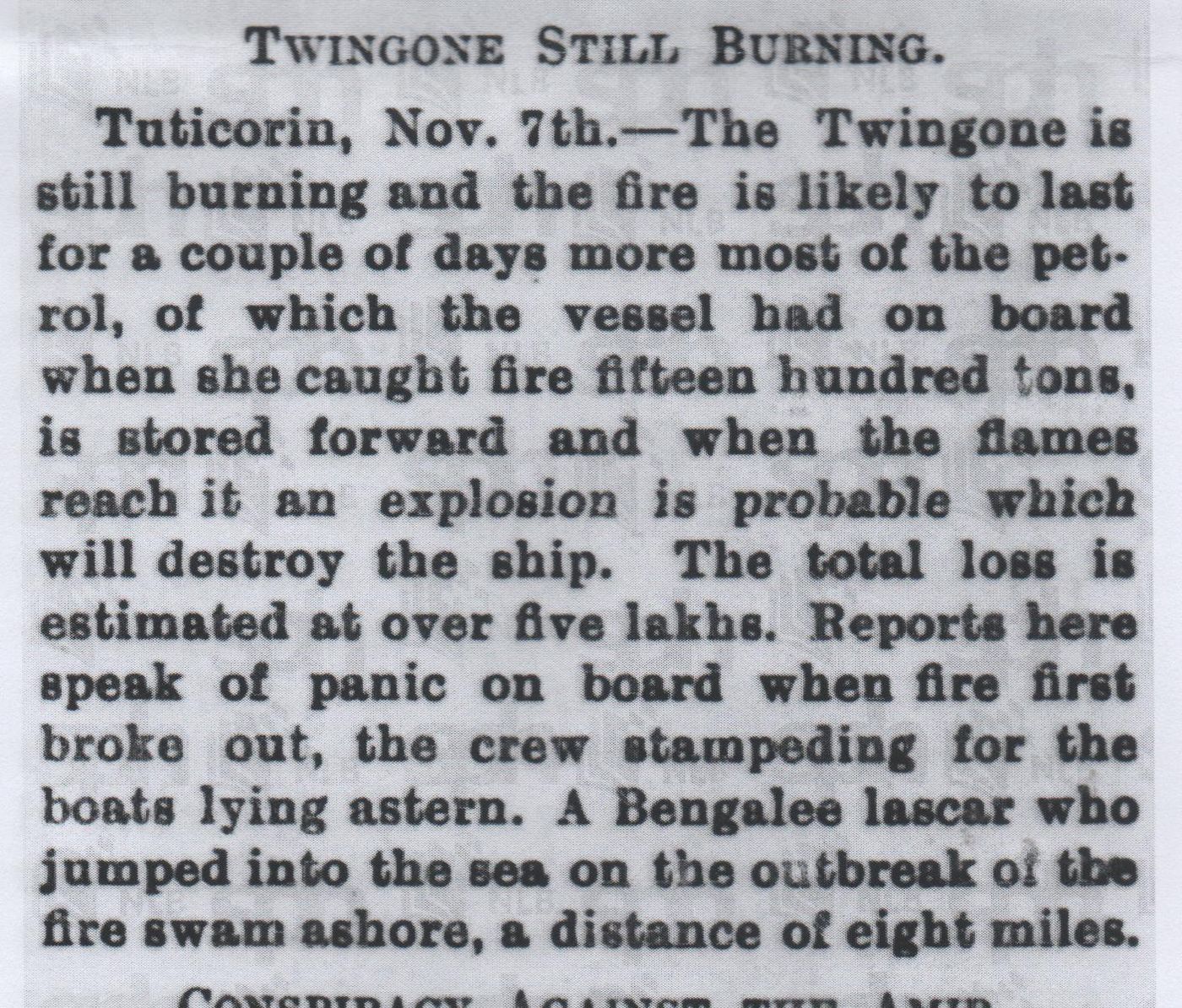
Singapore Free Press and Mercantile Adveriser 20th November, 1913
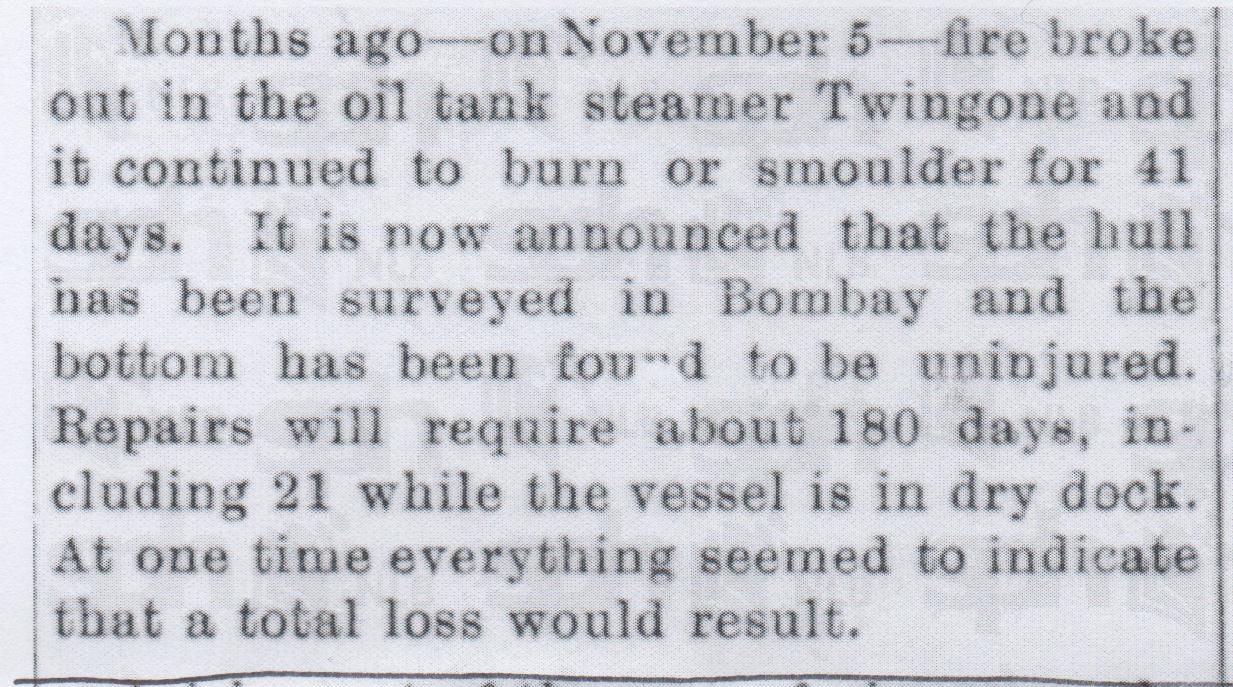
Singapore Free Press and Mercantile Adveriser 11th March, 1914
The Fire on the Twingone. A Tuticorin message of the 7th inst., says Last night the fire on the Twingone spread to the end of the ship and the lurid dames made a weirdly fascinating picture. The bodies of Master Leverett and the second engineer have not been recovered. A Bengali Lanscar who jumped into the sea at the time of the fire swam ashore, a distance of nearly eight miles. It is surmised that the fire originated on an oven in the lighter used by the coolies for cooking their food. It rained here very heavily last night but the rain had not the lease effect in extinguishing the fire.
The Singapore Free Press and Mercantile Advertiser (1884-1942), 26 November 1913, Page 2
TWINGONE STILL BURNING. Scheme to obviate complete loss:
The Oil steamer “Twingone” is still burning off Tuticorin but the vessel has been towed out of the harbour and lies some six miles away. No details regarding possible salvage are available but it has been reported that an attempt was to have been made to force the oil out of the tanks that have not yet been reached by the flames by pumping water which being the heavier element will float out the oil and thus check the conflagration with a view to prevent the vessel becoming a total loss. Her machinery is said to be practically undamaged.
The Straits Times, 6 December 1913, Page 8
The steamer Twingone was still burning on November 28. The flame was hardly visible by day, but towards evening, occasional bright flashes lighted up the vessel. Her list to starboard remained at about 30 degrees.
The Straits Times, 2 February 1914, Page 9
The Oil tanker “Twingone” on which a serious fire occurred in Tuticorin Harbour was on January 22nd taken in tow by the Clan Cameron to Bombay. A large quantity of good oil has been landed and about two hundred tons remain on board. To make up the deficiency in stability two hundred tons of ballast had to be shipped. Temporary repairs were effected at Tuticorin to enable the vessel to be towed to Bombay.
The Straits Times, 27 May 1914, Page 8
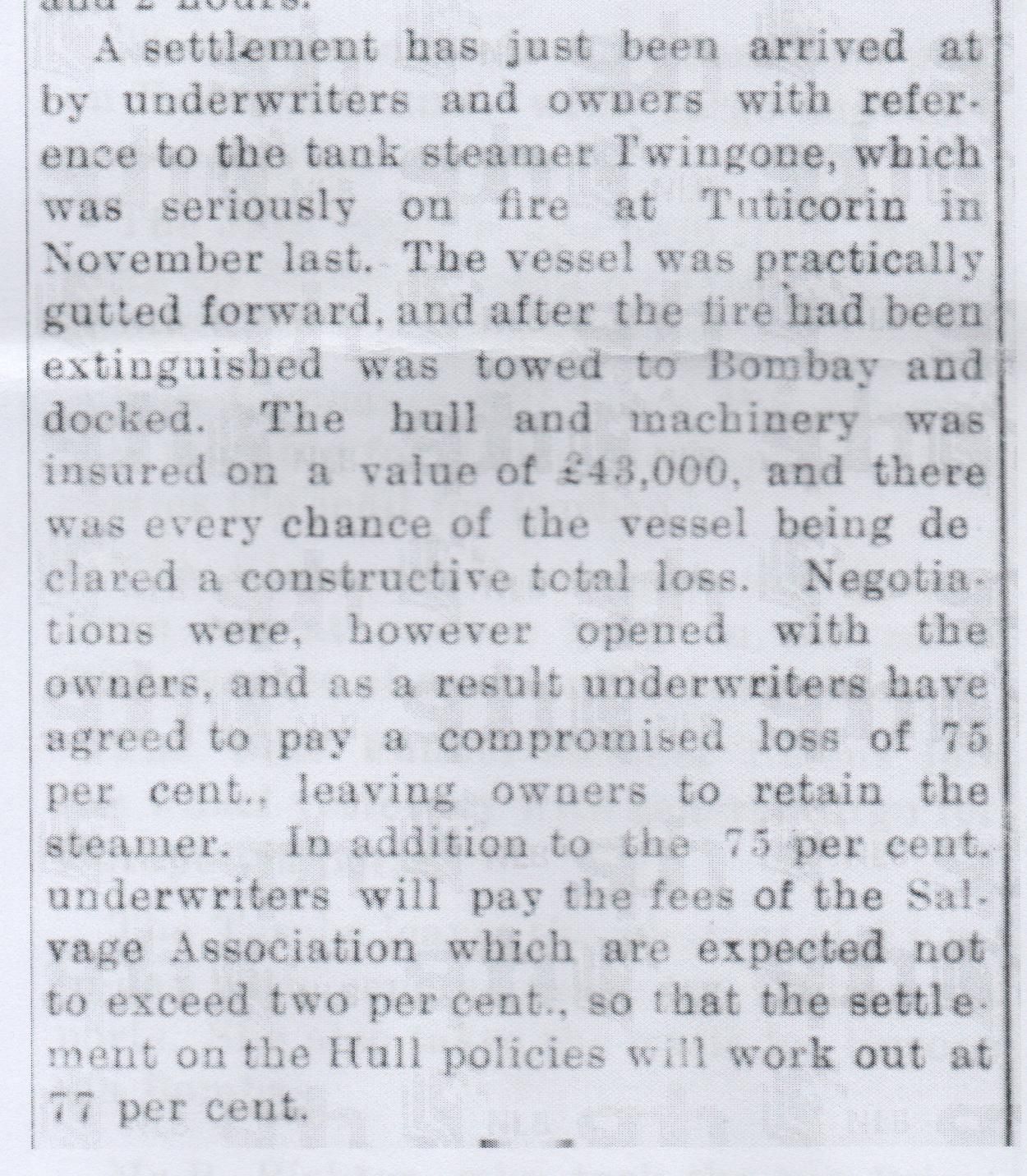
Singapore Free Press and Mercantile Adveriser 9th April, 1914
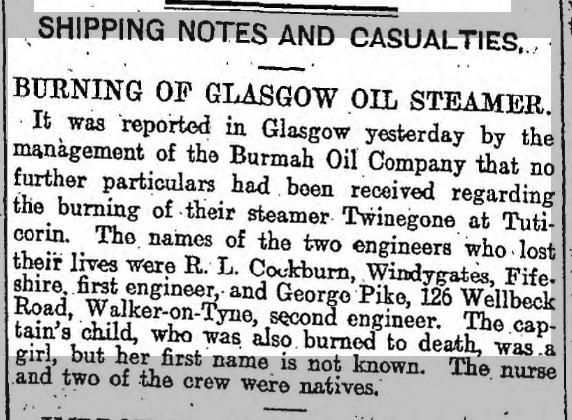
The Scotsman 07 November 1913
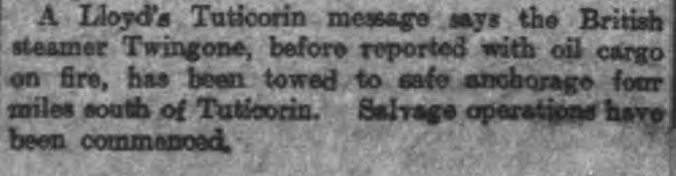
Nottingham Evening Post 15 November 1913
The Straits Times 23rd July, 1914
 |  | |||||||||||
 | ||||||||||||||||||
| Malay Tribune 25th May, 1914 | ||||||||||||||||||
 | ||||||||||||||||||
Dundee Courier - Thursday 06 November 1913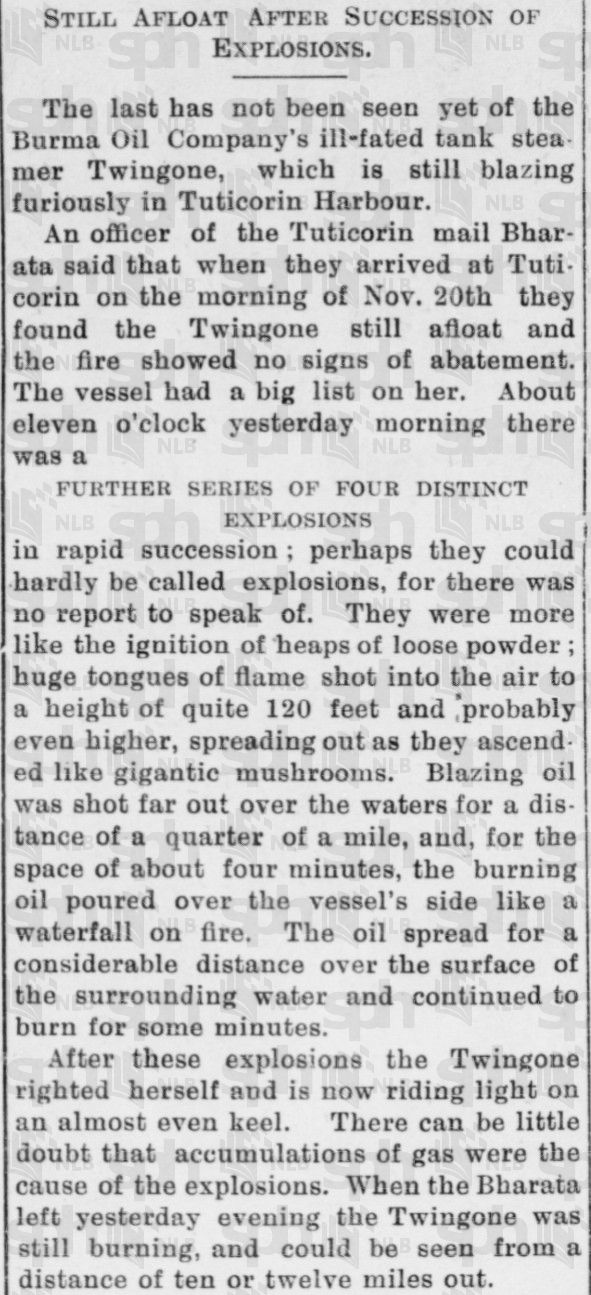
The Straits Times, 6 December 1913, Page 8
| ||||||||||||||||||
 Yorkshire Post and Leeds Intelligencer 23 January 1914 THE MARINE ENGINEER AND NAVAL ARCHITECT. Vol. XX XVI. August. 1913, to July, 1914. Fires. The length of time which fires in modern steamers continue to smoulder was well exemplified in the case of the oil tanker Twingone of the Burmah Oil Company, which took fire in Tuticorin Harbour in the first days of October. Unfortunately the flames spread so quickly that there was loss of life, the master, his child, and the first and second engineers being victims. The wreck was then towed to a point some four miles distant from the harbour and it was hoped that the machinery at least might be saved intact but on the 18th November, more than six weeks after the outbreak, the vessel was still burning and that with sufficient vigour to result in an explosion. Even that did not put the fire under control, for it was still smouldering a full month later. The cargo on board at the time of the outbreak seems to have amounted to some two thousand tons, for as oil tankers go to-day the Twingone was a comparatively small ship. THE MARINE ENGINEER AND NAVAL ARCHITECT. April, 1914. A Heavy Claim against the underwriters was naturally made in the case of the steam tanker Twingone of the Burmah Oil Co., which, as some readers may remember, was burnt at Tuticorin, Southern India, in October of last year, when laden with about 2,000 tons of oil. The fire continued to burn for many weeks, an explosion actually occurring on board some three weeks after the original outbreak. When the fire was finally subdued the damaged hull was towed to Bombay, where it was found that, though the decks had collapsed amidships, the machinery was not seriously damaged. It was at first and very naturally thought that she would after such an experience be condemned as a total loss, but it is now announced that the owners and underwriters have agreed that the owners are to keep her, and pay all costs of salvage and repairs for a payment of 77 per cent, on the insured value. As the value of the ship for insurance purposes was taken at £43.000, it will be seen that the cost of making her good will be considerable indeed. By the courtesy of one of our subscribers we are able to give illustrations of the vessel after the fire. THE MARINE ENGINEER AND NAVAL ARCHITECT. Views of the Burmah Oil Co's Twingone after the fire at Tuticorin, India, last year. One result of the recommendations of the Conference on the safety of life at sea has been the issue by the Board of Trade of a new set of regulations in regard to lifeboats. These rules deal first of all with the freeboards to be insisted upon in the case of decked lifeboats. Well-decked boats must have a reserve buoyancy of not less than 35 per cent. In the case of flush-decked boats the scale is based on the depth of the craft, a minimum freeboard being insisted upon. This comes out roughly at somewhere about one-fifth of the full depth of the boat. When the boats undergo their tests they are, of course, to carry their full equipment, and in addition they must have on board weights amounting to 165 lbs, to represent each person of their designed compliment. Then rules are given to the provision of adequate means for clearing with sufficient rapidity the decks of the boats of each of these types from water. Finally, instructions are given as to the buoyancy, freeboard, structural strength and general design to be insisted upon for open lifeboats with collapsable topsides where these are allowed to be substituted for the ordinary type of boat. | ||||||||||||||||||
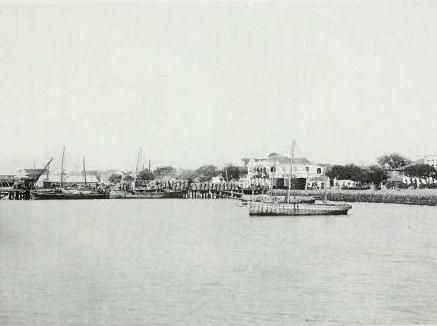 | ||||||||||||||||||
| Tuticorin Harbour 1913 Photo by Thurston, Edgar (1913). | ||||||||||||||||||
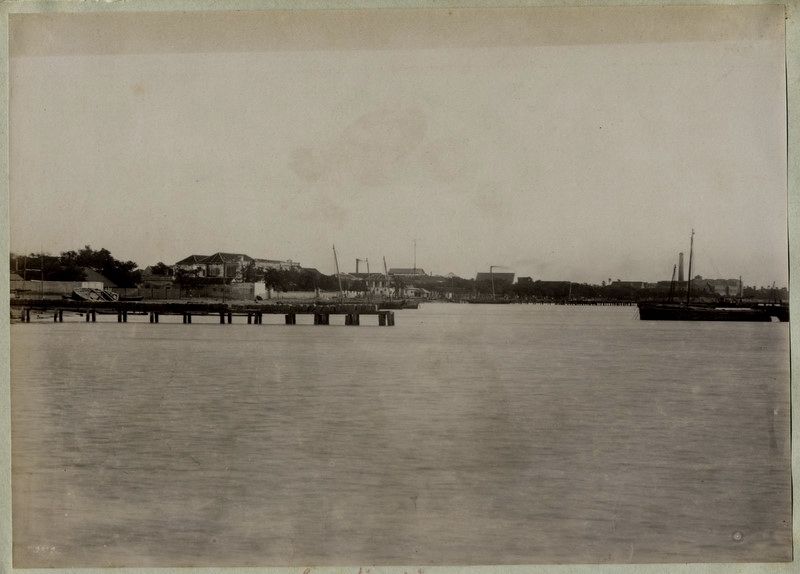 | ||||||||||||||||||
| Tuticorin Harbour early 1900s | ||||||||||||||||||
 | ||||||||||||||||||
| Tuticorin | ||||||||||||||||||
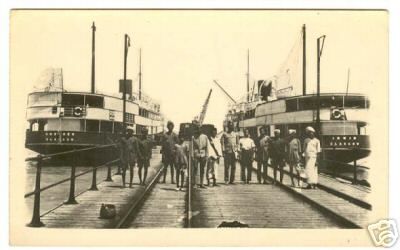 | ||||||||||||||||||
| Tuticorin Harbour 1913 | ||||||||||||||||||
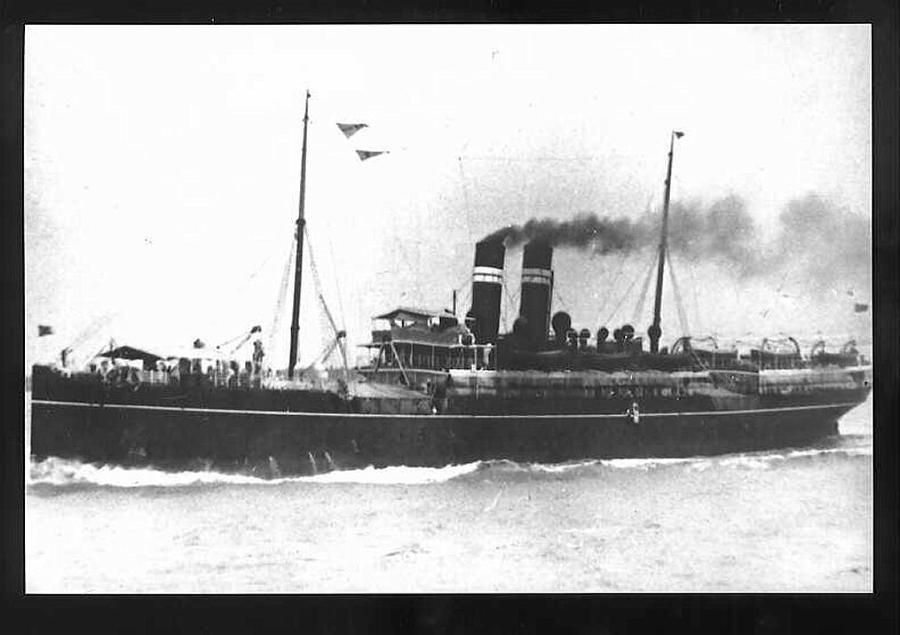 | ||||||||||||||||||
| Photo of the Bangala 1910. This ship rescued the crew of the Twingone | ||||||||||||||||||
The crew of the Twingone were rescued by the SS Bangala.
For some years Captain R.D.MacFadyen commanded the "crack" mail steamer Bangala, and during this period he and Mrs. Macfadyen lived first in Rangoon, as a neighbour of Captain and Mrs. Barrand, and later at Calcutta.
Captain R.D. Macfadyen always regarded the Bangala as the "sweetest" ship he ever sailed in. In 1924 she was acquired by Osaka Shosen Kabushiki Kaisha and renamed the Taizan Maru. On the 14th June 1942 she was sunk after a collision in the Yellow Sea, 35N/125E.
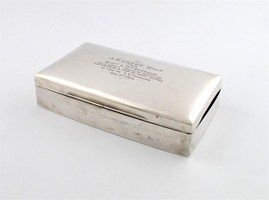
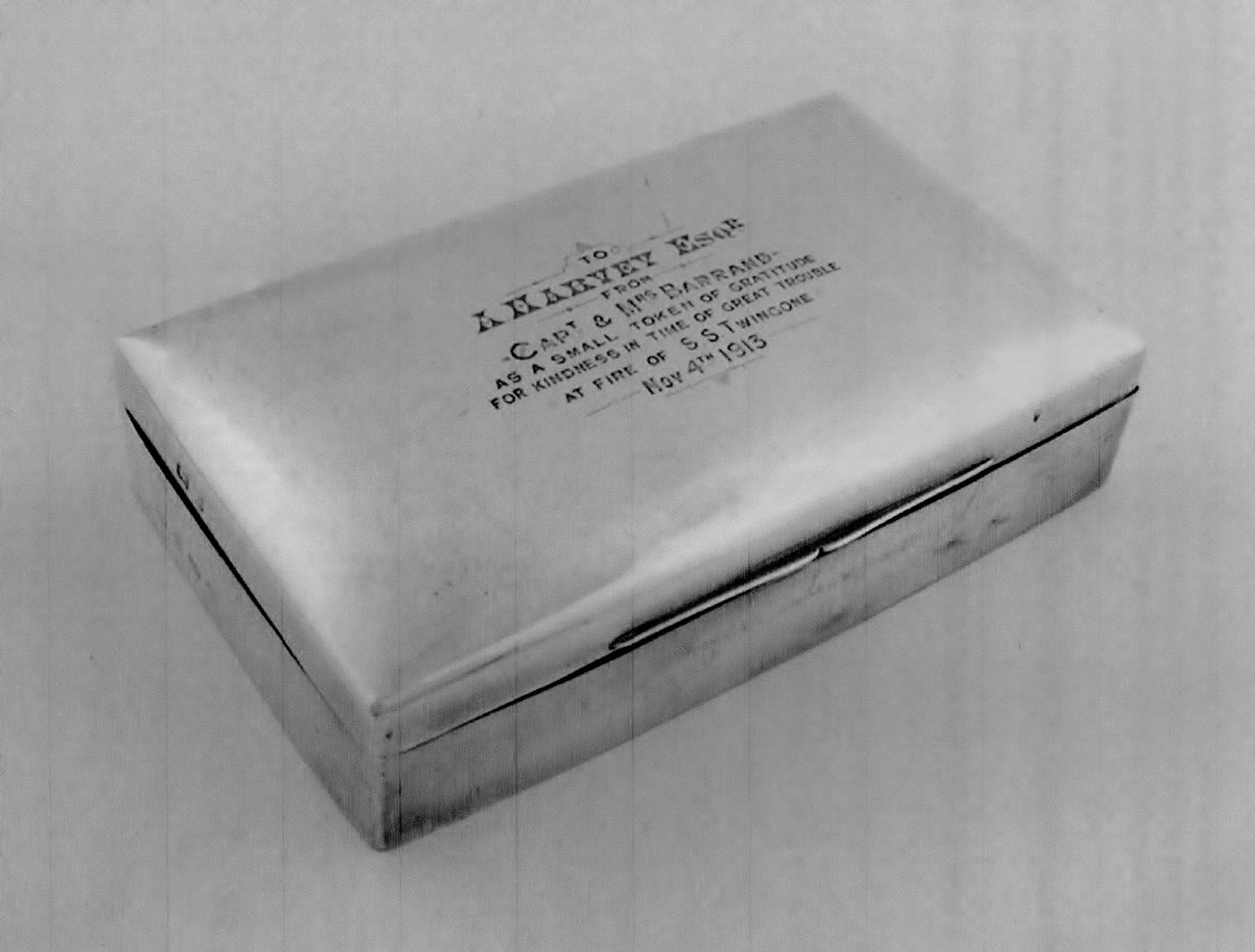
A presentation silver cigarette box, by William Hutton and Sons, Birmingham 1910,
A silver cigarette box, rectangular form, the hinged cover inscribed ' To A. Harvey Esq. from Capt. and Mrs Barrand, as a small token of gratitude for kindness in time of great trouble at Fire of S.S Twingone Nov 4th 1913, length 21cm.
The times reported in 1913, 'The Burning of the Steamer Twingorne, Four Lives Lost, 'Our Colombo Correspondent telegraphed last night that through the fire in the British Steamer Twingore at Tuticorin, described elsewhere, the port surgeon's son was killed. Altogether four persons lost their lives. The remainder of those on board were rescued by The British Steamer Bangala and the port surgeon's launch. The Twingone was carrying 2,000 tons of oil, and it is expected that she will become a total loss."
It was originally believed the the A. Harvey mentioned on the cigarette box was the Captain of the RMS Bangala who rescued many of the crew of the Twingone, but the research shows that the captain of the Bangala was in fact a Donald McFadyen at that time.
It now appears that A. Harvey was the partner in the company, A. & F. Harvey who were the agents of the British India Steam Navigation Company, which had a virtual monopoly over the trade between Tuticorin and Colombo. In 1870 Frank Harvey and his brother Andrew founded the firm that was responsible for shipping through Tuticorin. The Harveys also managed a spinning mills complex called the Coral Mills in Tuticorin. They came into conflict with a V.O.Chidambarampillai (VOC) who, inspired by the Swadeshi movement, mobilised the support of local merchants, and launched the first indigenous Indian shipping enterprise, the Swadeshi Steam Navigation Company in competition with the British India Steam Navigation Company. He purchased two steamships, S.S. Gallia and S.S. Lawoe for the company and commenced regular services between Tuticorin and Colombo against the opposition of the British traders and the Imperial Government. The British had assumed the Indian venture would collapse like a house of cards, but soon found the Indian company to be a formidable challenge. To thwart the new Indian company they resorted to the monopolistic trade practice of reducing the fare per trip to 16 annas per head. Swadeshi company responded by offering a fare of 8 Annas. The British company went further by offering a free trip to the passengers plus a free umbrella, which had ‘S.S.Gaelia’ and ‘S.S.Lawoe’ running nearly empty. By 1908 the company was heading towards bankruptcy. His efforts to widen the base of the Swadeshi movement, by mobilising the workers of the Coral Mills to strike (also managed by A. & F. Harvey) brought him into increasing conflict with the British Raj and on 12 March 1908, he was arrested on charges of sedition and for two days, Tirunelveli and Tuticorin witnessed unprecedented violence, quelled only by the stationing of a punitive police force. Chidambarampillai was arrested and The Court imposed a sentence of two life imprisonments. He was not treated as a ‘political prisoner’. The sentence that was imposed on him was not ‘simple imprisonment’. He was treated as a convict sentenced to life imprisonment and required to do hard labour. He was “yoked to the oil press like an animal and made to work it in the cruel hot sun. By this time, The Swadeshi Steam Navigation Company had collapsed and it was liquidated in 1911 and the ships auctioned to their competitors. He was eventually released but his family had lost all their wealth and property in his legal defence. The moment anybody utters the name of VOC, it immediately comes to mind his achievement as the first Indian to launch a ship service between Tuticorin and Colombo through Swadeshi Steam Navigation Company in the interest of the Nation’s economy, and that too, against the British Rule.
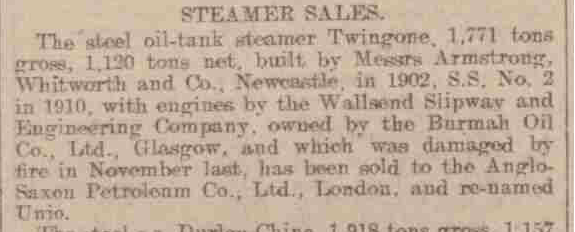
Newcastle Journal - Friday 24 July 1914
Re-naming of the Twingone
Name: Unio
Ex name(s): Unio (14-23 Shell UK, ex. Twingone (02-13 Burmah Oil)
Imo number: 1095938
Year of construction: 1902
Discarded in: 1931
Status: Sold
Class: U
Tonnage: 1.781
Yard: Armstrong Whitworth & Co
Construction number: 727
Flag: Dutch Indies
Callsign: TJKN
Owner: Nederlands Indische Tank Stoomboot Mij. (NIT)
Extra information: 1931 sold to Italy and renamed Cassala.
Ship History Data | |||||||||||||||||||||||||||||||||||||||||||||||||||||||
| |||||||||||||||||||||||||||||||||||||||||||||||||||||||
Ship Date Events | |||||||||||||||||||||||||||||||||||||||||||||||||||||||
| |||||||||||||||||||||||||||||||||||||||||||||||||||||||
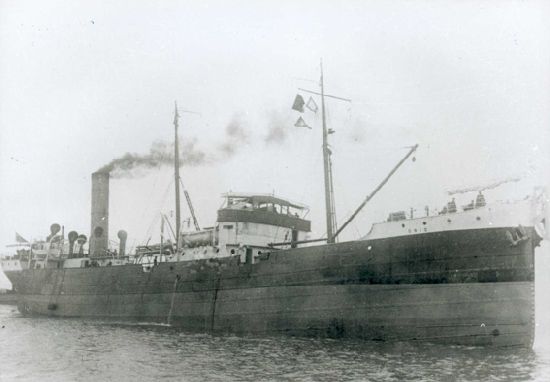
The Unio - formerly SS Twingone
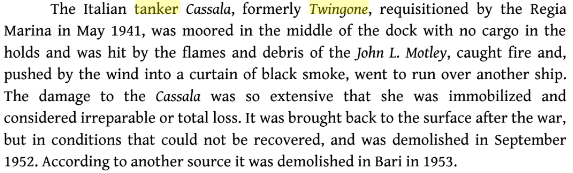
Destruction of the Twingone at Bali (Italy) 1943
1915-1917
Oscar Alfred Barrand returned to the UK after the fire on the Twingone and was appointed a ships surveyor by the Board Of Trade and sent to Liverpool where he inspected the status of both merchant ships and passenger ships from Liverpool Docks before they sailed. It was during this time that Oscar Alfred was responsible for inspecting the ill-fated liner, Lusitania before she sailed to the US in 1915. On 17 April 1915, Lusitania left Liverpool on her 201st transatlantic voyage, arriving in New York on 24 April. On 7th May Lusitania was nearing the end of her 202nd crossing, eastbound from New York, and was scheduled to dock at the Prince's Landing Stage in her home port of Liverpool later that afternoon. Aboard her were 1,265 passengers and a crew of 694, which combined totaled to 1,959 people. Capt. Schwieger, the commanding officer of the U-boat, gave the order to fire one torpedo, which struck Lusitania on the starboard bow, just beneath the wheelhouse. Moments later, a second explosion erupted from within Lusitania's hull where the torpedo had struck, and the ship began to founder in a much more rapid procession, with a prominent list to starboard. Almost immediately, the crew scrambled to launch the lifeboats but the conditions of the sinking made their usage extremely difficult, and in some cases impossible due to the ship's severe list. In all, only six out of 48 lifeboats were launched successfully, with several more overturning, splintering to pieces and breaking apart. Eighteen minutes after the torpedo struck, the bow struck the seabed while the stern was still above the surface, and in a manner similar to the sinking of Titanic three years earlier, the stern rose into the air and slid beneath the waves. Of the 1,959 passengers and crew aboard Lusitania at the time of the sinking, 1,198 of the people aboard the ship lost their lives.
  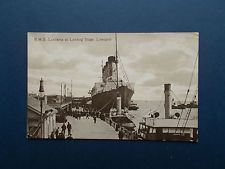 | |||||||||||||||||||||||
| Lusitania in Liverpool Docks | Lusitania in Liverpool Docks | Lusitania in Liverpool Docks | |||||||||||||||||||||
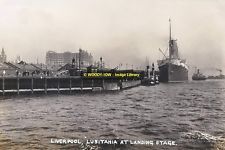 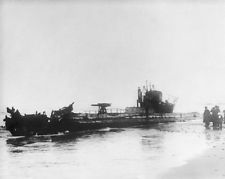 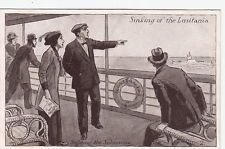 | |||||||||||||||||||||||
| Lusitania in Liverpool Docks | U20 German Submarine | Sighting The Submarine | |||||||||||||||||||||
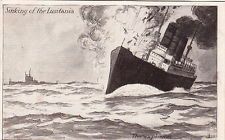 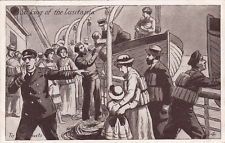 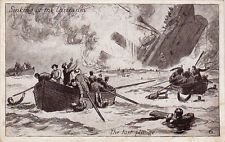 | |||||||||||||||||||||||
| Explosion of the torpedo | "To The Boats" | Sinking of the Lusitania | |||||||||||||||||||||
Following the TITANIC disaster three years earlier, LUSITANIA had been re-equipped so that she had 48 lifeboats in her davits, 26 collapsible lifeboats, 35 life buoys, and 2,325 lifejackets. Notices regarding how to use the lifejackets were posted around the ship and, on this voyage, a committee of passengers had been given demonstrations on how to use the lifejackets. However, circumstances did not permit the well-ordered disembarkation contemplated in today's cruise ship life boat drills.
LUSITANIA sank in 18 minutes. Because of the severe list, it was impossible to launch the port side lifeboats. Moreover, the list caused the starboard side boats to hang so far away from the ship that passengers had to leap for them. Furthermore, the ship continued to plow through the water at 18 knots causing most of the lifeboats that were launched to capsize when they hit the water. Only eight boats got away.
Meanwhile, panic gripped many passengers and crew. Fights broke out, lifejackets were stolen, and people jumped into the water wearing their lifejackets in an unsafe manner. Of the 1,959 souls onboard, 1,198 died including 95 children.
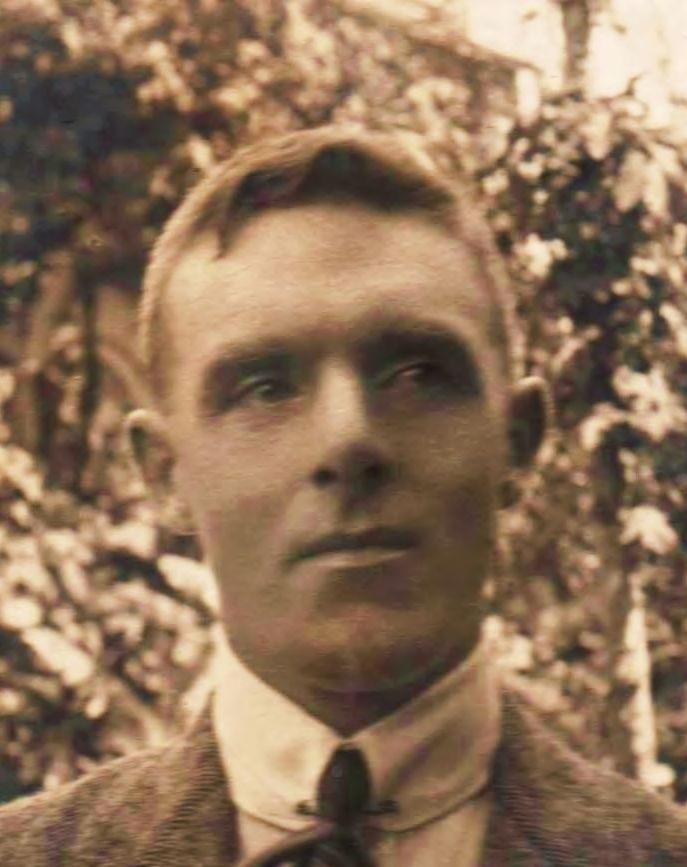
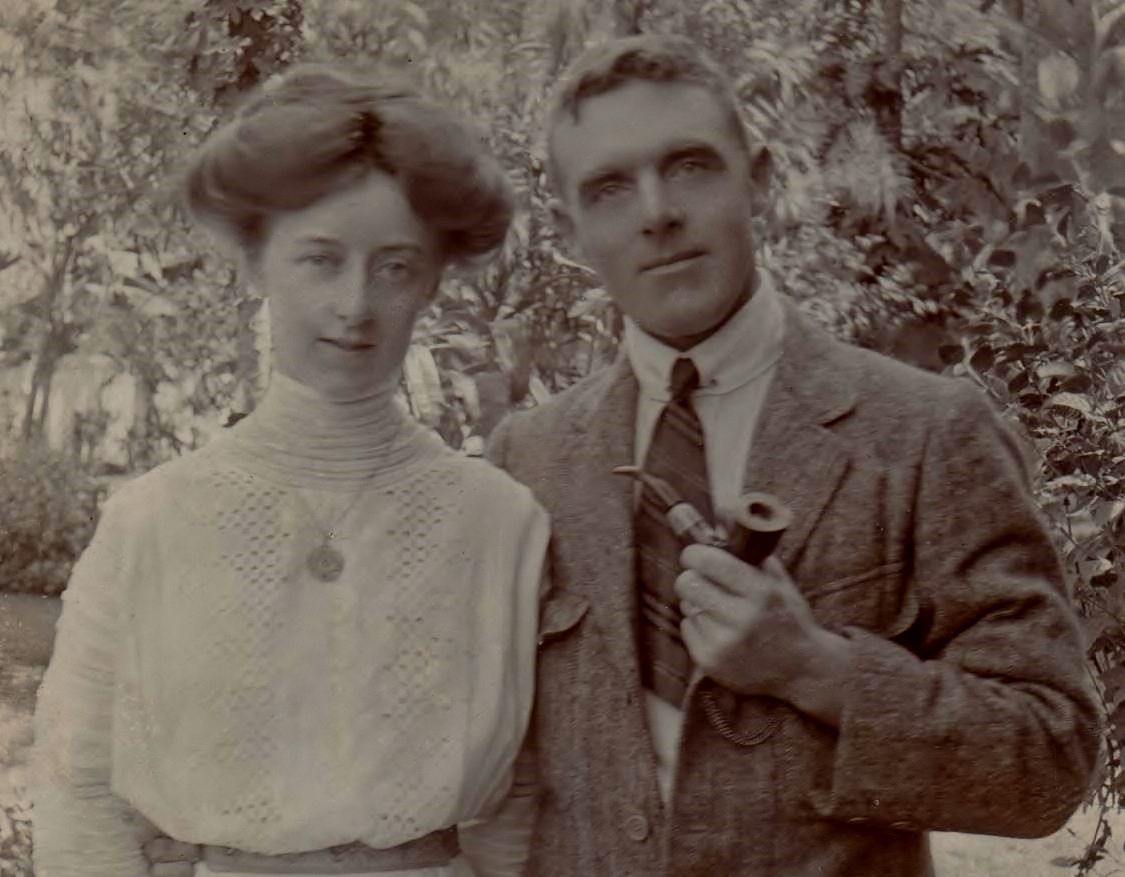
Oscar Alfred Barrand + Grace Hobbs
Home-U.S. Inquiry British Inquiry Limitation of Liability Hearings Lusitania Inquiry Search Links Contact Home TIP Home Search Contact Witnesses Final Report British Wreck Commissioner's Inquiry
Day 1
Captain O. A. Barrand
Examined by the SOLICITOR-GENERAL.
50. Are you a Board of Trade Emigration Officer at Liverpool?
- I am one of them.
51. Did you make an inspection of the "Lusitania" on April 16th last?
- I did.
52. Did you make a full inspection on that day and on the 17th?
- On both dates.
53. What was the result of your inspection quite shortly; did you find everything satisfactory?
- I was perfectly satisfied with everything.
(The witness withdrew.)
Copy from Lusitania Inquiry:-
“The British Wreck Commissioner’s Inquiry stated “The “Lusitania” held a passenger certificate enabling her to carry 400 passengers of each class that would be 1,200 altogether, and a crew of 750 hands. She was certified to have, and had as a matter of fact, on board, 34 boats, capable of accommodating 1950 persons. She had 32 lifebuoys and 2,325 life-jackets. The proper certificates which were required will be proved, and the witnesses will be called before you to show that the proper certificates were made. The vessel cleared outwards from Liverpool as an emigrant ship, I said, in March, but it was really on the 17th April and surveys were made by Mr. Laslett of her machinery, and the life-saving appliances, and emigration survey was made by Captain Barrand, the Emigration officer, who gave the clearance certificate on the 17th April. The ship, so far as the facts put before me go, seems in every way to have fulfilled the requirements of the law and the regulations that were laid down.”
At the end of the 1st World War, Oscar Alfred Barrand travelled to the far east as a ships' surveyor in January, 1918 on official government business, and returned to England in July, 1918. He was re-appointed as a nautical surveyor in 1919.
name: Captain Barrand Birth Date: abt 1881 Age: 37 Port of Departure: Singapore Arrival Date: 7 Jul 1918
Port of Arrival: London, England, Ports of Voyage: Shanghai. [Colombo] Ship Name: Japan Search Ship Database: Shipping Line: British India Steam Navigation Company Ltd Official Number: 98349
Board of Trade. Re-appointment of Capt. O. A. Barrand as nautical surveyor: treatment of service with the Royal Navy for purposes of salary and pension.
Covering dates: 1919 Source: National Archives, KEW 7183/19
Granted "Under clause 7 of the Order in Council of 10th January, 1919", Capt. Oscar Alfred Barrand is designated as a Ships (Nautical) Surveyor under the Board of Trade.
“The Royal Society of Arts has several times given awards for inventions in connexion with life-boats and in 1878 it appointed a committee to consider marine life-saving apparatus. Its interest in nautical affairs is also shown by the Thomas Gray Lectures, which were this year given by Capt. O. A. Barrand and Mr. G. A. Green on life-saving appliances on merchant ships, reports of which have now appeared (J. Boy. Soc. Arts, Sept. 16, 23, 30, and Oct.7). The lectures were divided into sections dealing with life-buoys and life-jackets, coastal life boats, ships' boats, boat stowage and buoyant apparatus. The credit for the design of the Standard life-jacket, we learn, belongs to certain officers of the Board of Trade (including Capt. O. A. Barrand), but jackets can be manufactured by anyone if permission is obtained. The best jackets are now of ˜kapok", which when suitably packed has a buoyancy value of 3½ times that of cork. Kapok is the seed-hair of a plant growing in the East, but only Java kapok is permitted in life-jackets. The tests for jackets are stringent and the Standard jacket has to contain 24 oz. of the best Java kapok and to be capable of supporting 201bs of iron after floating in fresh water for 24 hours with 161bs of iron attached. The loss of buoyancy of Java kapok has been shown to be only 10 per cent in thirty days' immersion.”
Naval and Maritime Personnel Survivability
Author: Life-Saving Appliances on Merchant Ships, etc. With illustrations (Royal Society of Arts. Thomas Gray Lectures.) Author: O. A. Barrand Published 1932.
The first lecture was on Lifebuoys and Lifejackets (January 1932)
  |  |      | ||||
 |  |  |  |     | ||
The 2nd lecture was concerned with the lifeboats (also January 1932)
   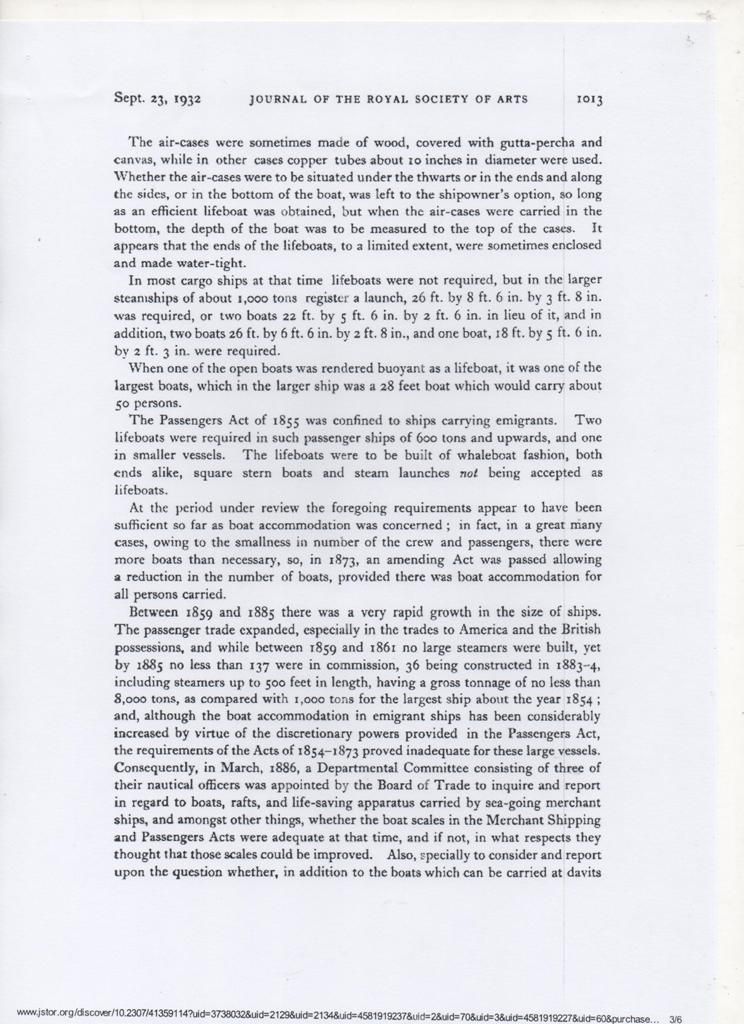 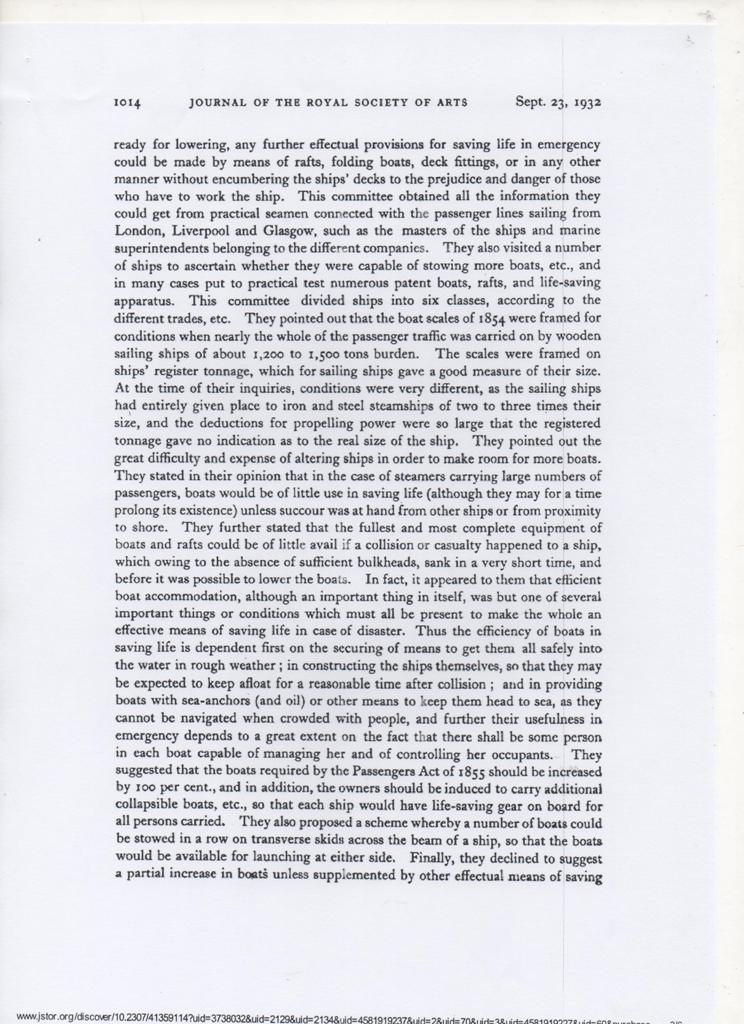 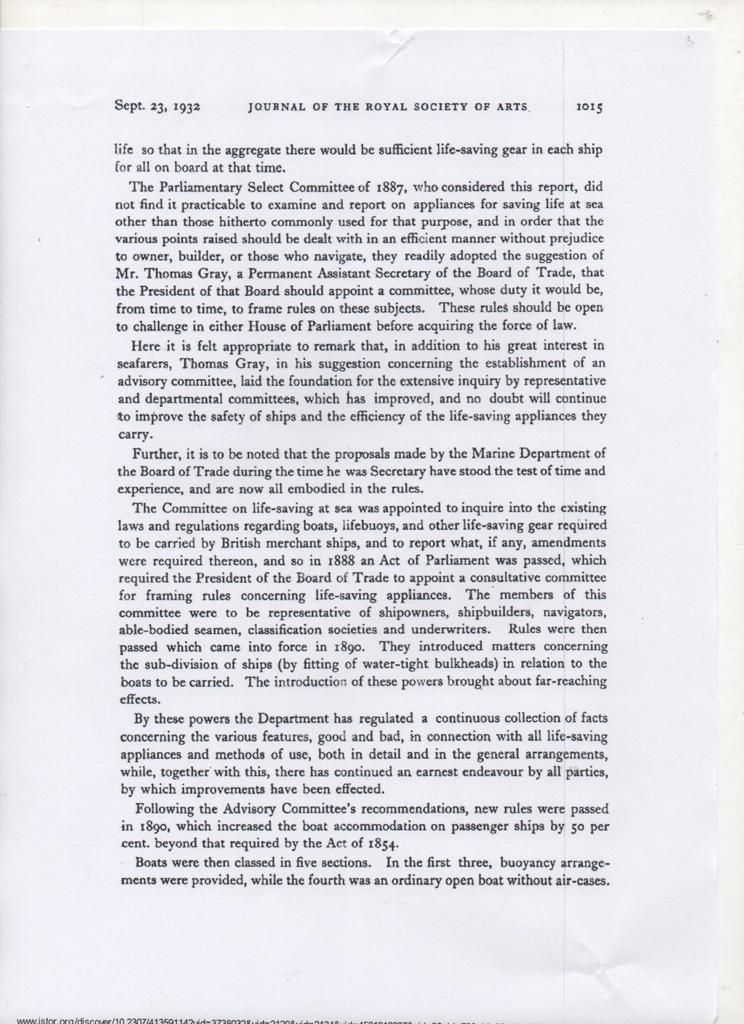 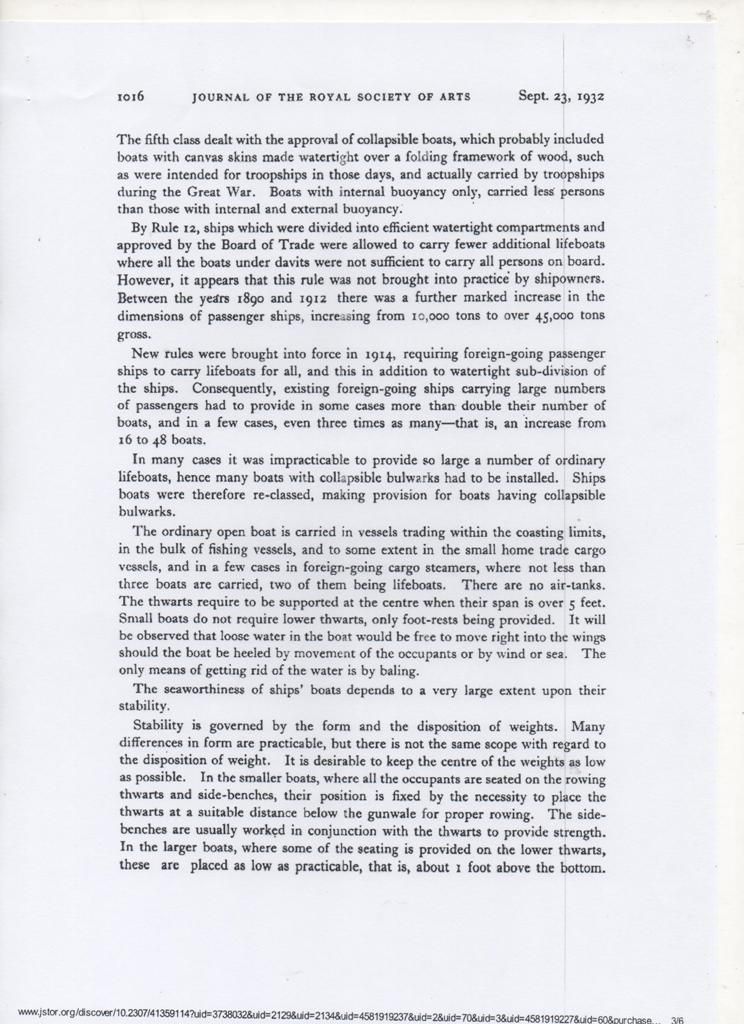 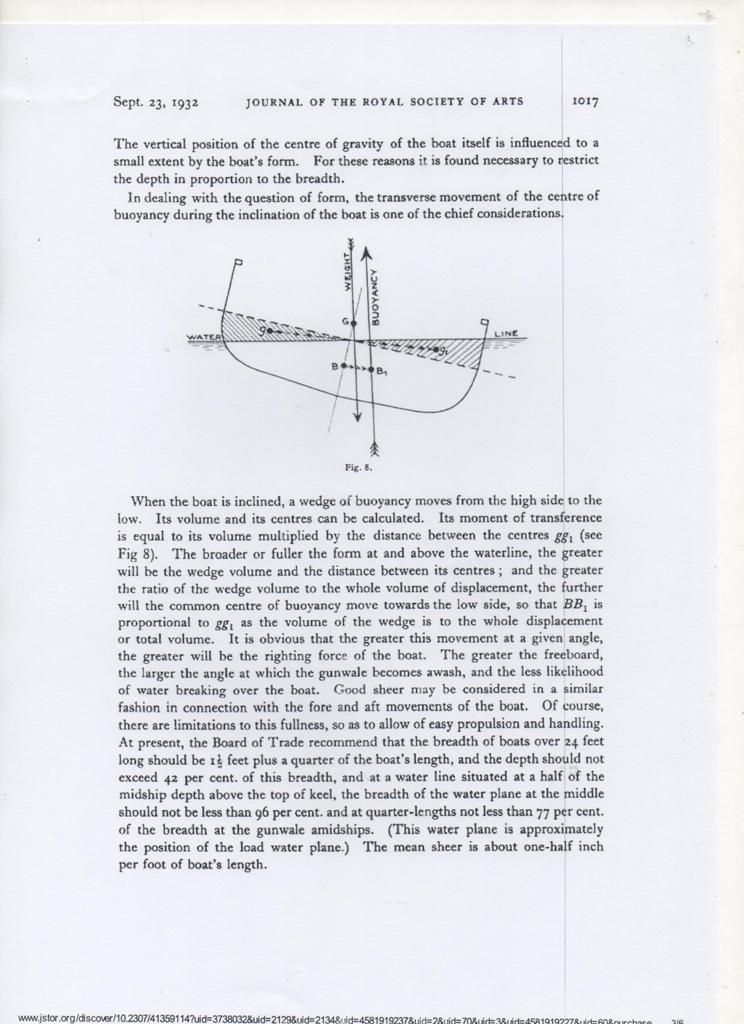 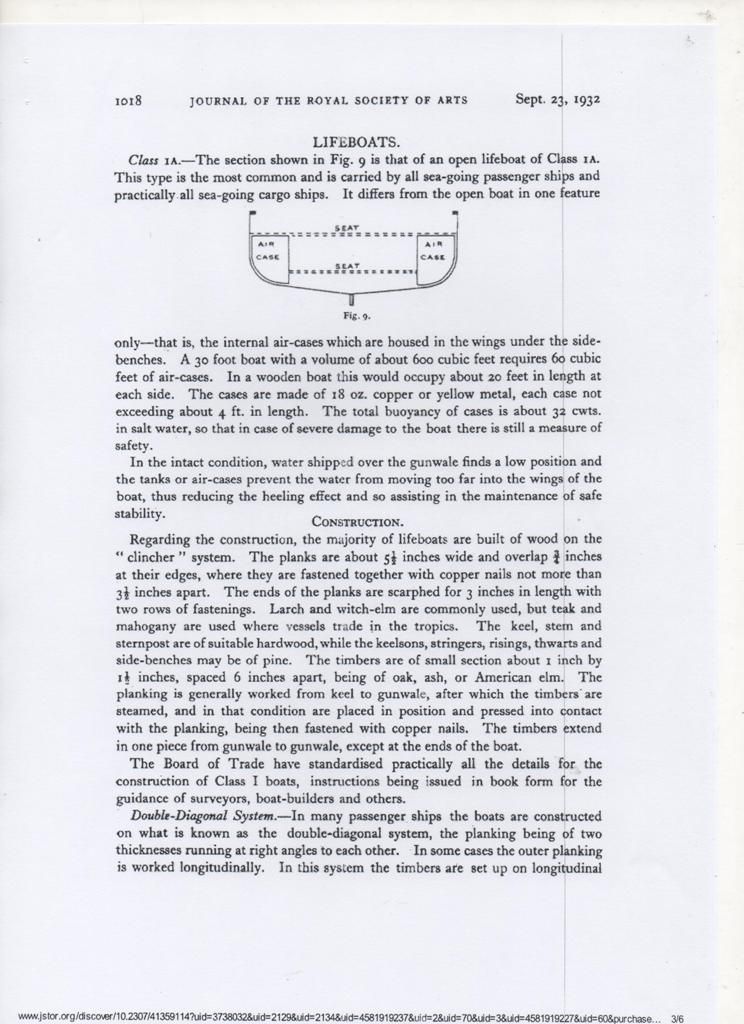 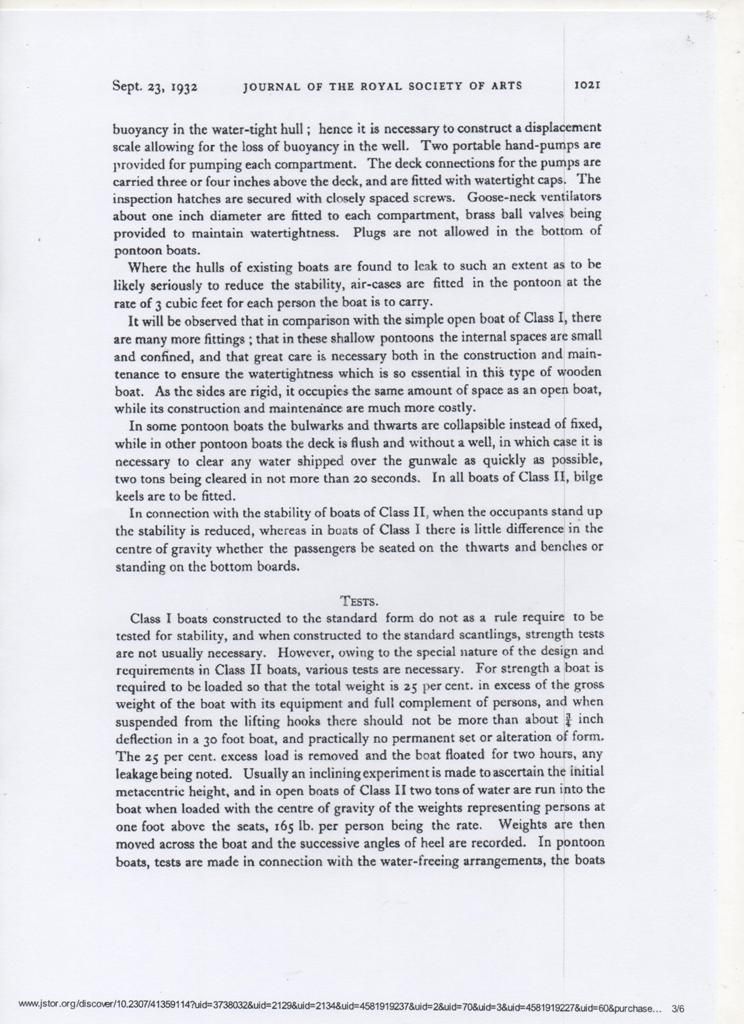 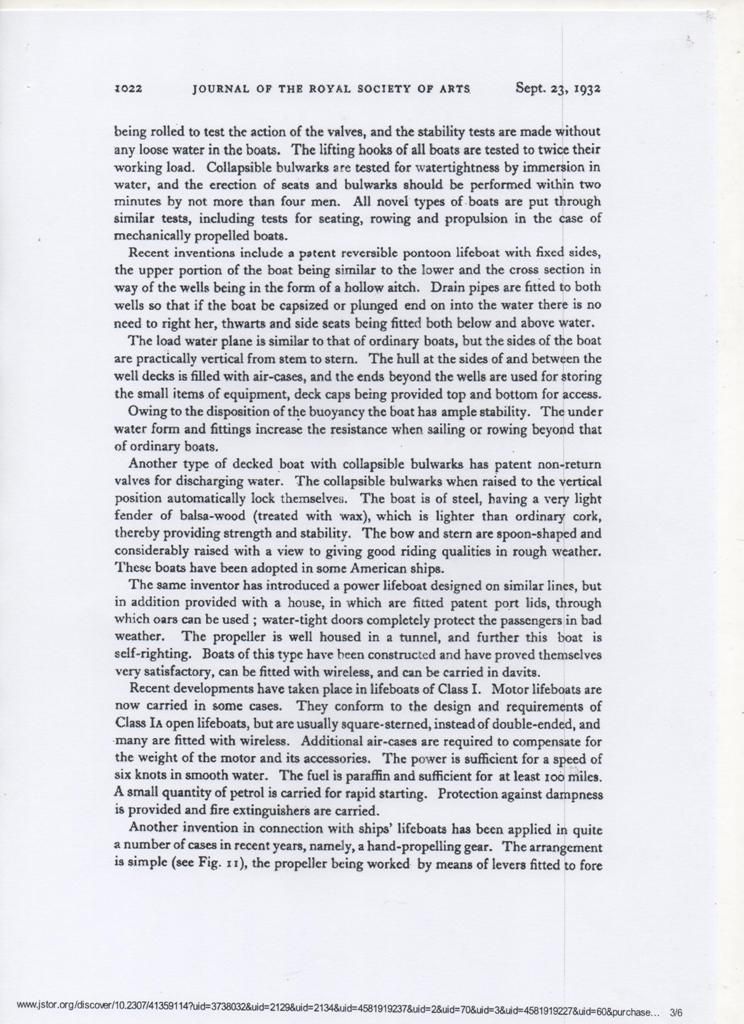 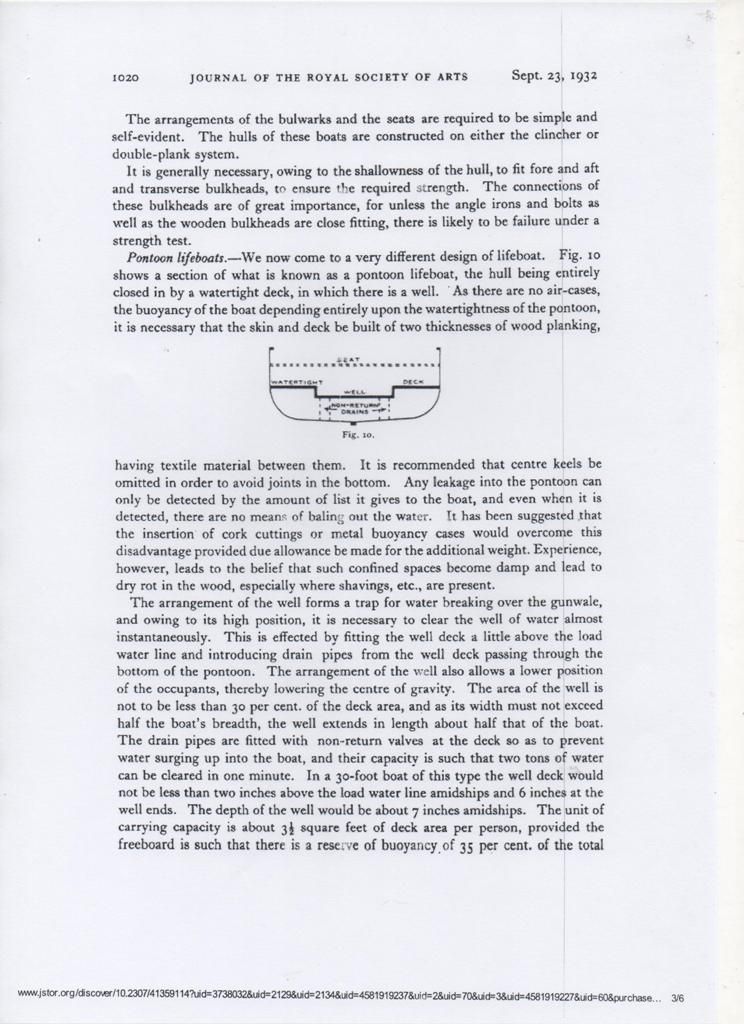 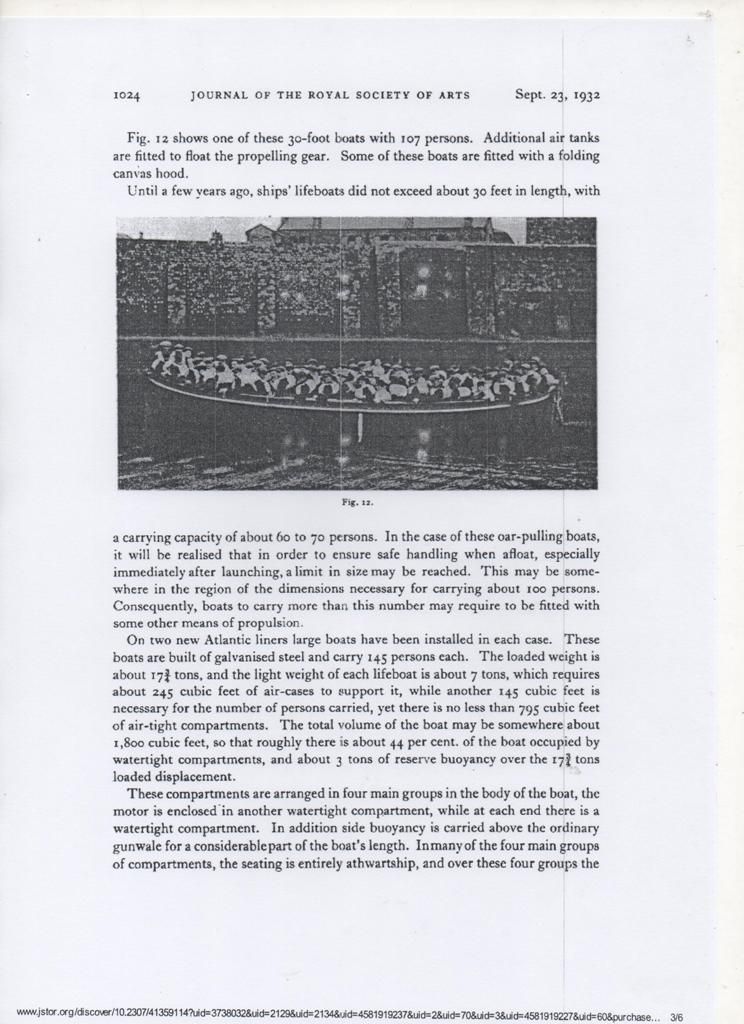 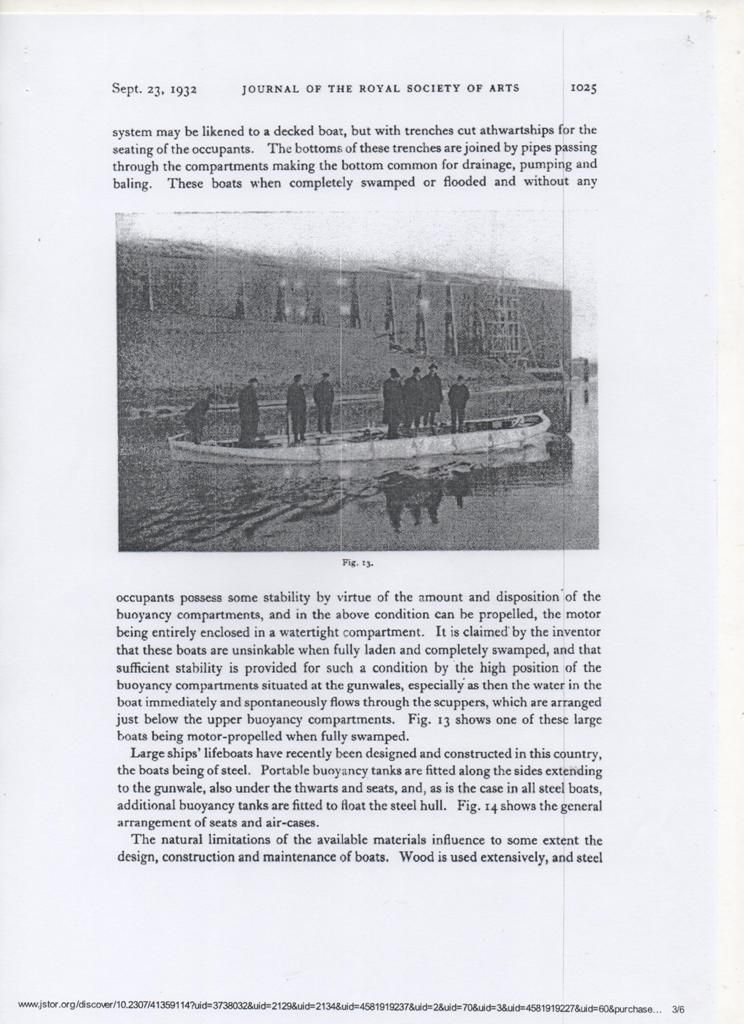 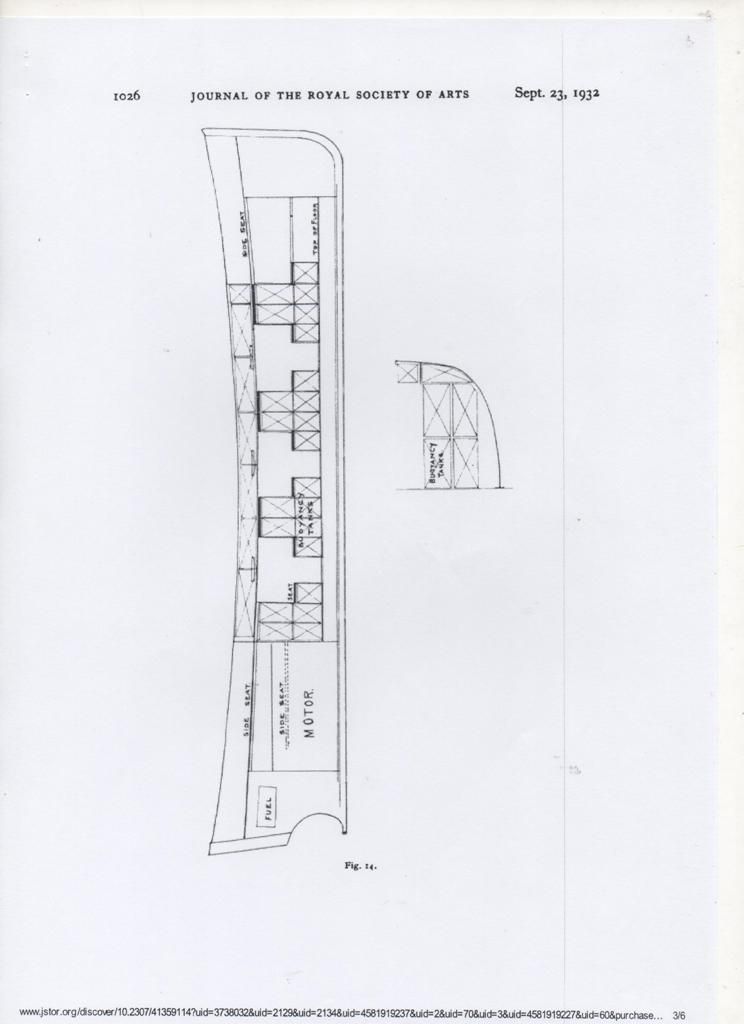 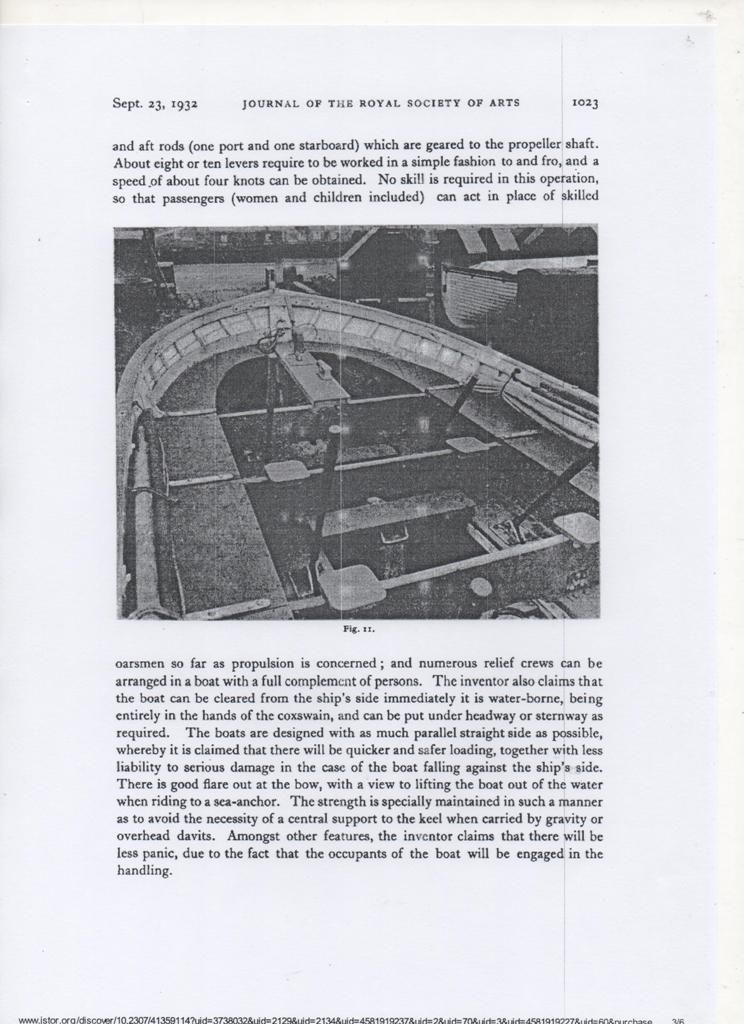 |  | ||||||||
 | |||||||||
 | |||||||||
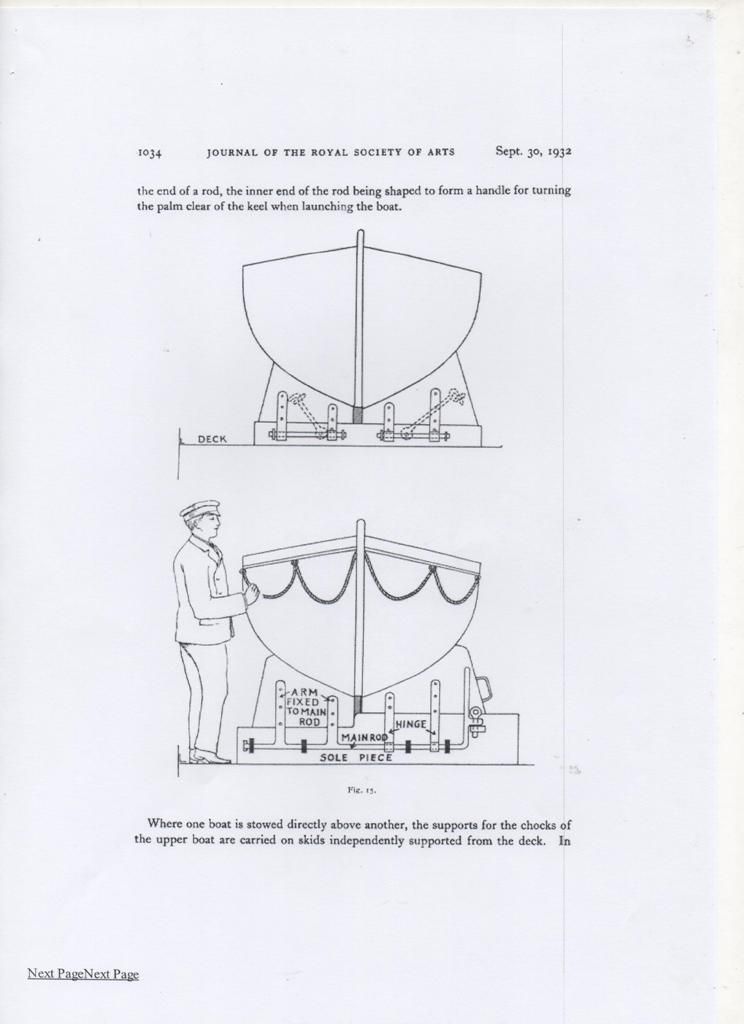
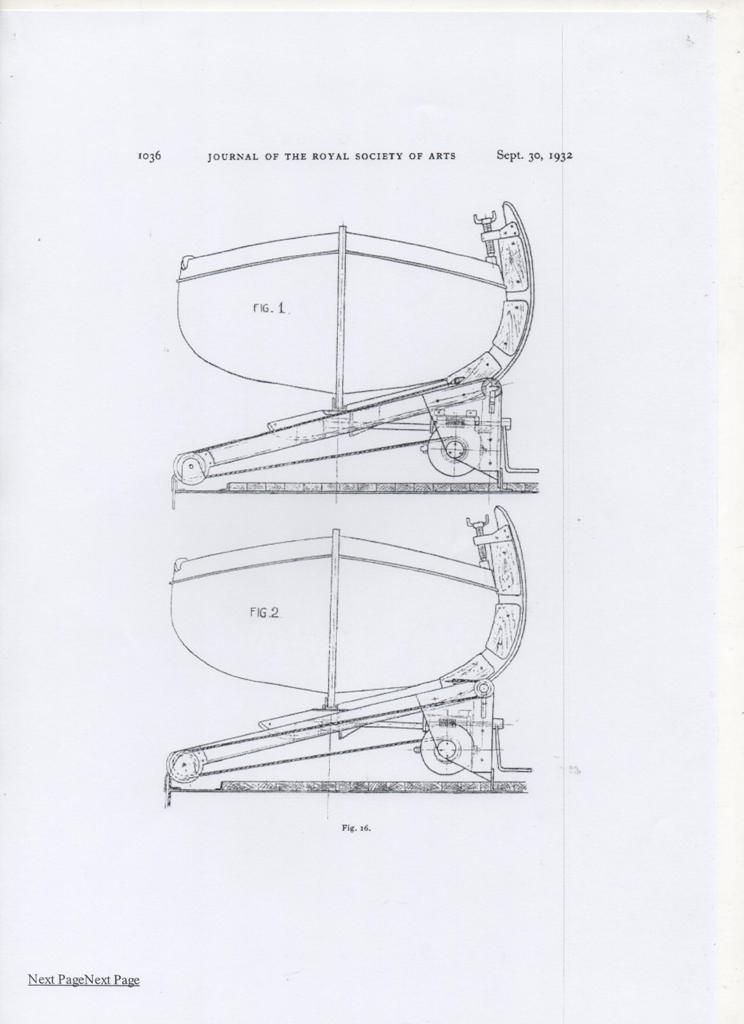
The 3rd lecture was concentrated on the boat stowage and dated January 1932
 |  |  |  |  |  | |||
 |  |  |  |  | ||||
The 4th (and last) lecture on Life saving Appliances was on the launching Appliances (February 1932)
|   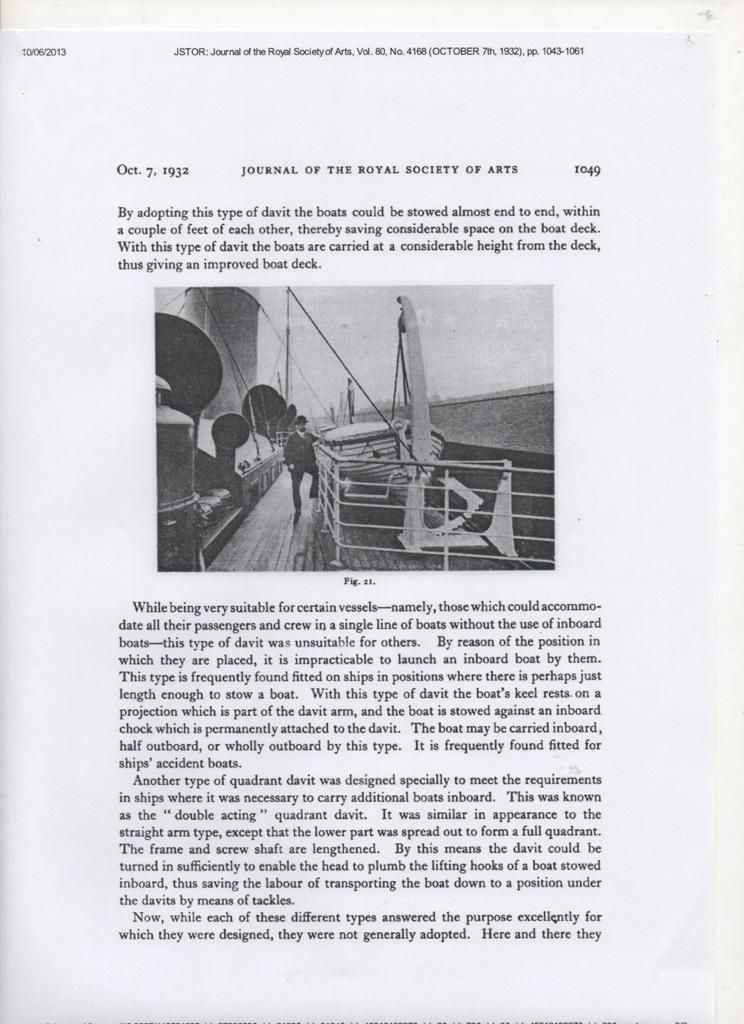 | |||||||||
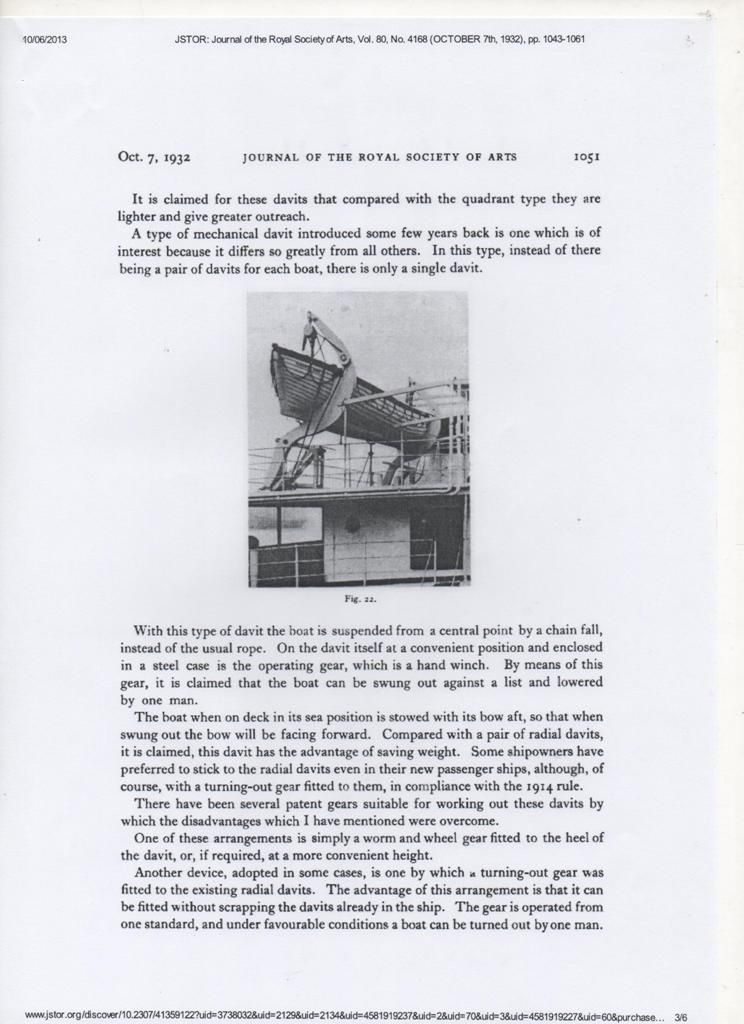 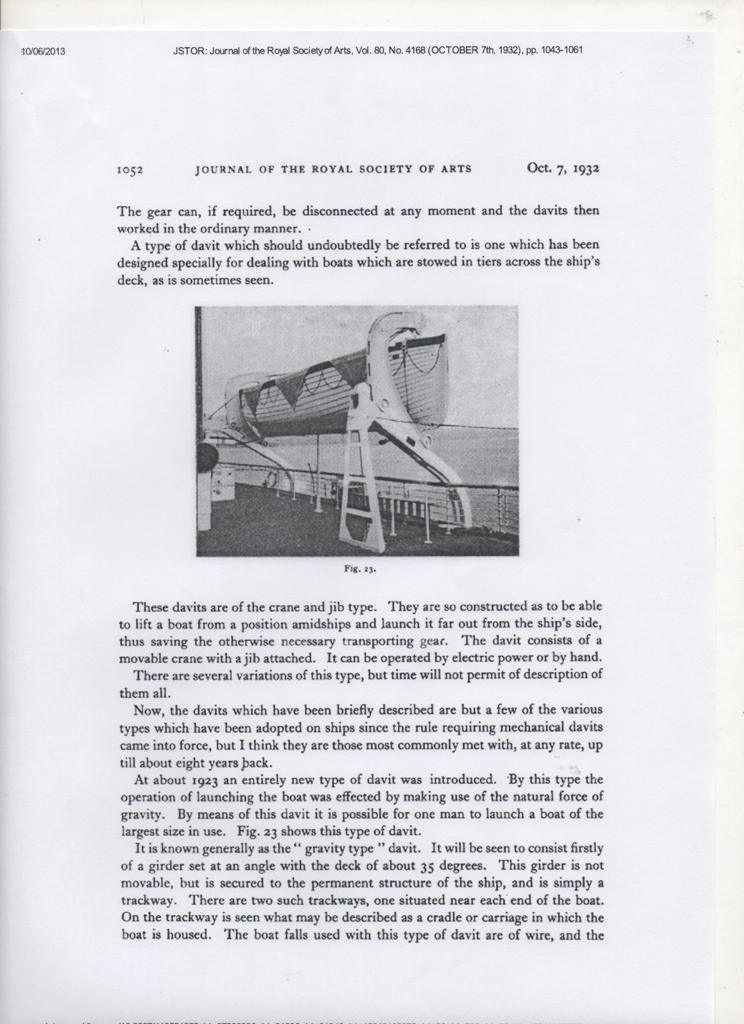   | 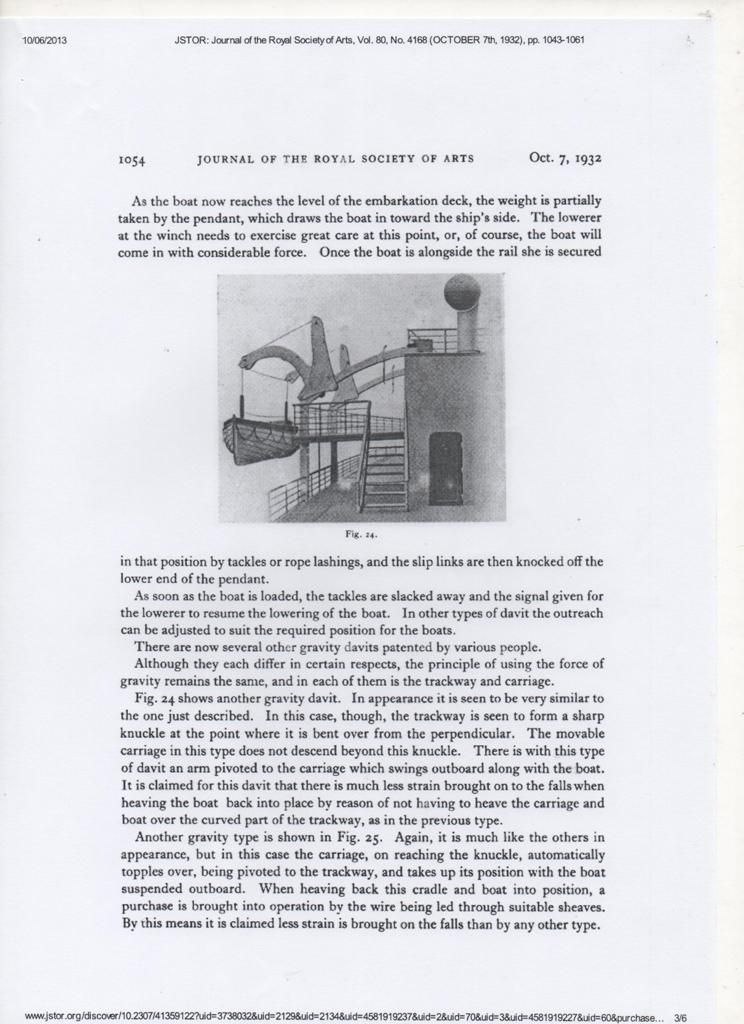 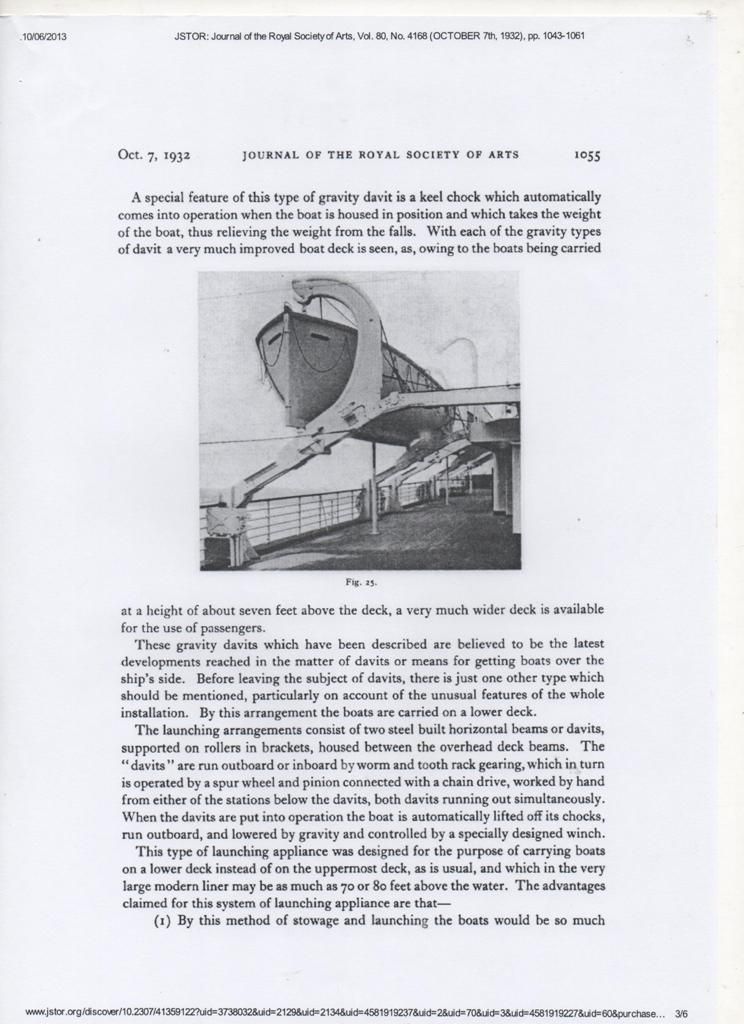  | |||||||||
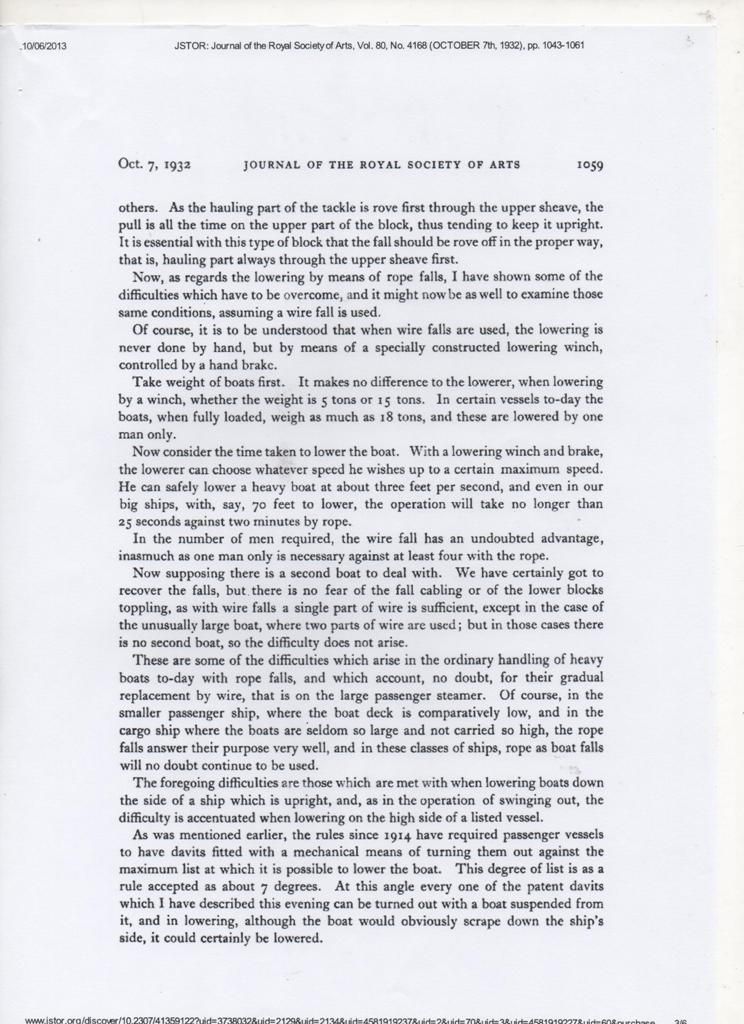 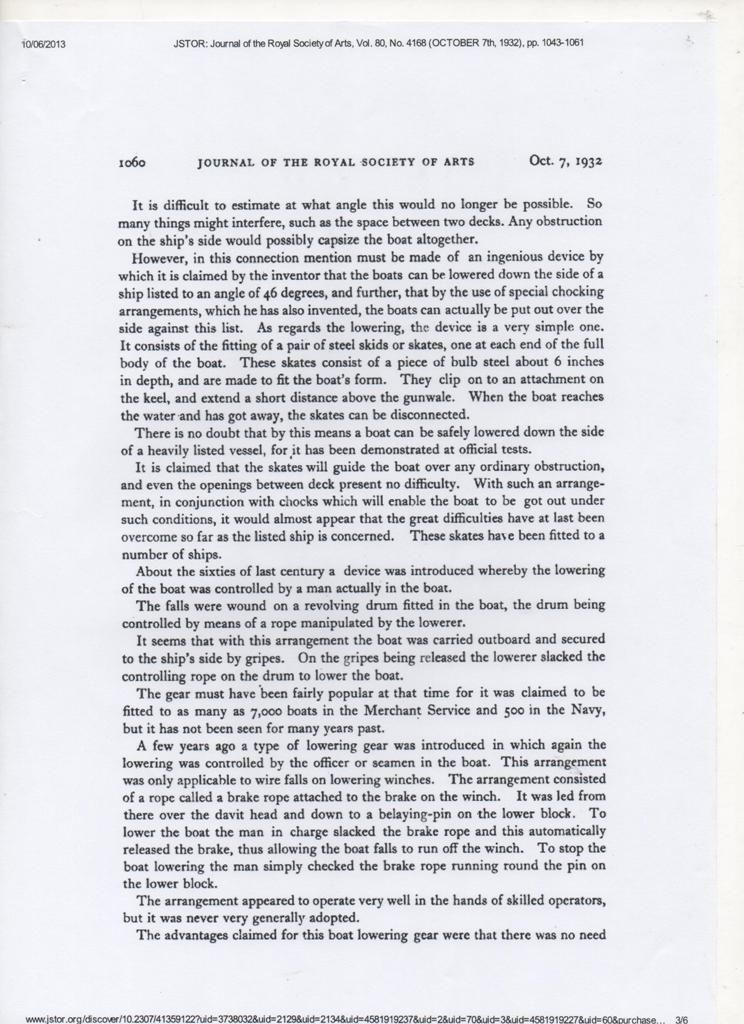 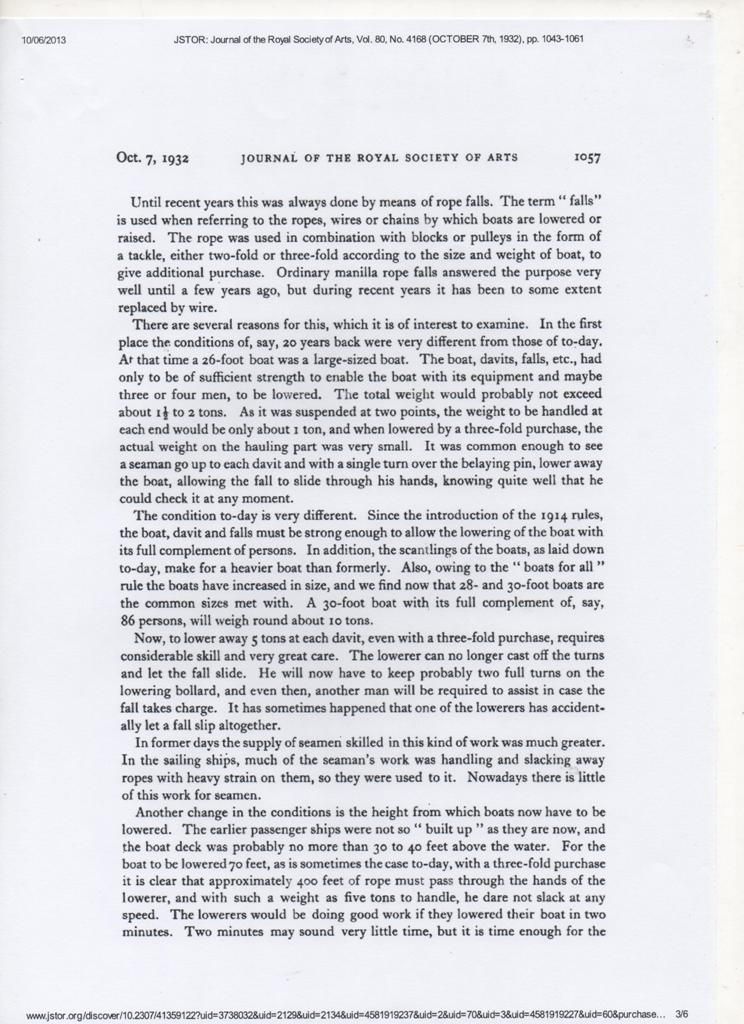 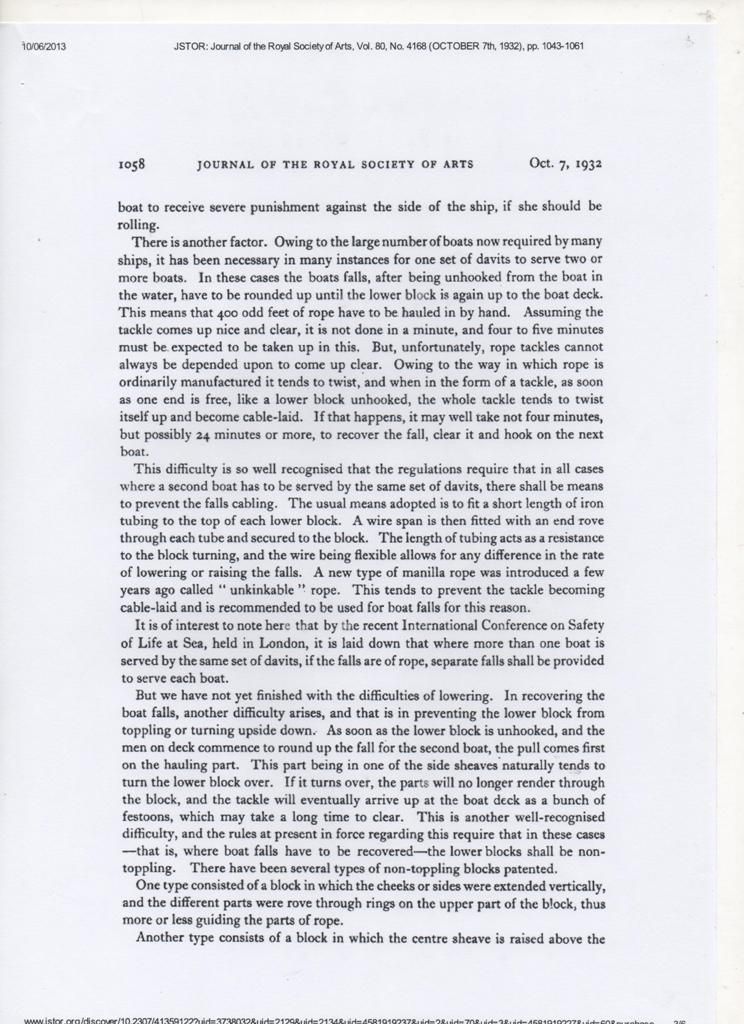 | 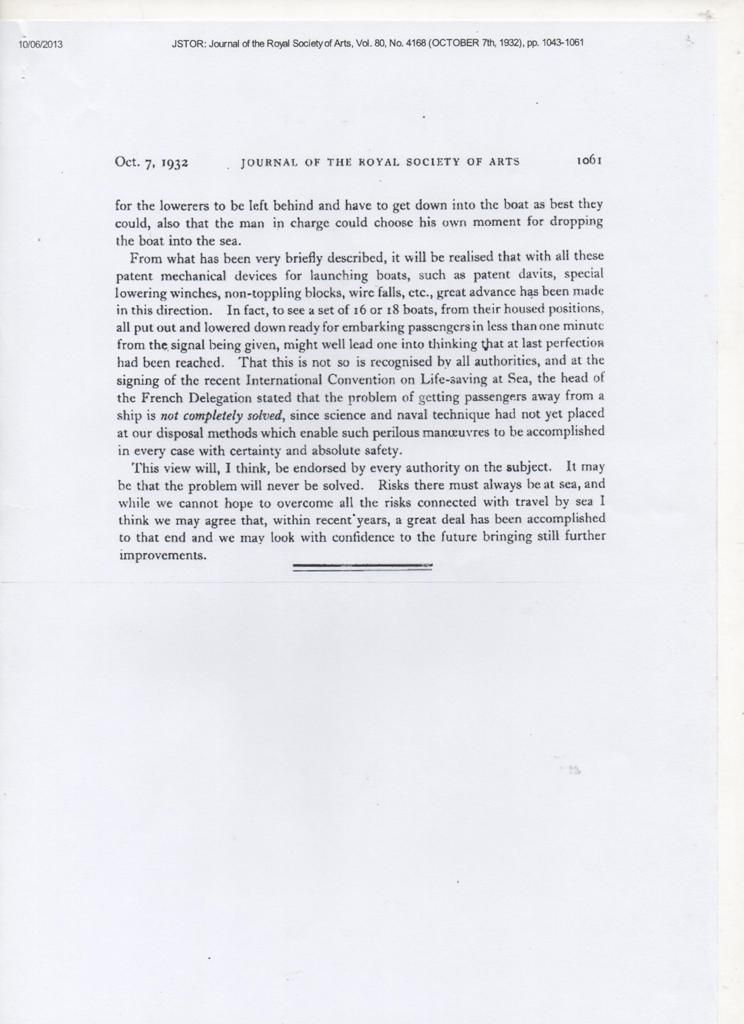 | |||||||||
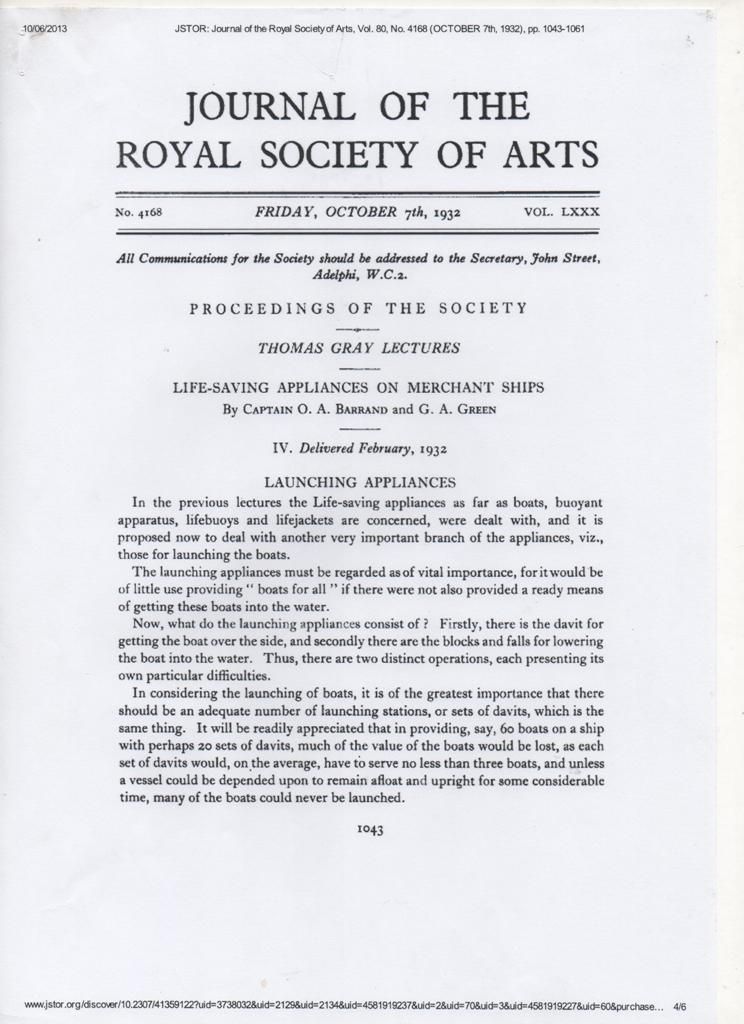
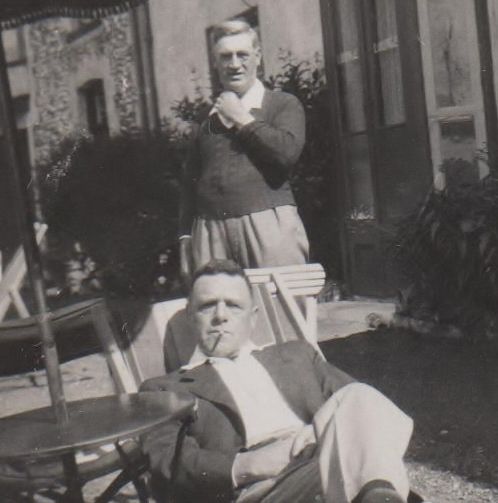
Oscar Barrand and G.A.Green
DESIGN OF LIFEBELTS.
THE MARINE ENGINEER AND NAVAL ARCHITECT. From August 1917, to July, 1918.
Sir. —
In reply to the question regarding lifebelts, which was asked in the House of Commons, the President of the Board of Trade is reported to have said: "It is very difficult indeed to get any type of life-belt, lifejacket, or life-buoy to suit every age, every size, and every type of passenger." As I have been working for a considerable time to meet those very difficulties, will you kindly allow me to state that I have now overcome them, and made a life-jacket which is suitable for "every age, every size, and every type of passenger" This jacket has been thoroughly tested by the Board of Trade, from whom I have received seven certificates for different patterns. The last jacket I have made is Pattern 4, and the specification states as follows: — "The buoyancy being so distributed as to turn the wearer, when helpless, automatically backward with the head out of the water, the head resting on the back pad.
This Jacket is adapted to large or small persons, being suitable for men, women and children, and will fulfil the foregoing conditions." But not only is the jacket efficient as above described, it is also full of comfort to the wearer, the warmth penetrating through the breast to the whole system.
This is of advantage to passengers when having to wait, with the jacket on, also when in the water, or sitting in the lifeboat. It is quickly put on and the arms are free for rowing, etc. It is soft to the face and to the figure, a protection to the body in case of a blow, and should the wearer have to jump into the water from a height, that can safely be done, the wearer being brought immediately to the surface with head well supported out of the water, owing to the construction of the jacket. A frightened or insensible person is well protected, and anyone unable to swim can propel themselves along, either on their breast or back. The jacket has sufficient buoyancy to support two people. The jacket takes up but little space, weighs under 2lbs. and is inexpensive. It is now being adopted by a number of shipping companies and is an additional safeguard to the travelling public. —
I am. Sir,
Yours obediently.
O. A. BARRAND (Capt) LIVERPOOL
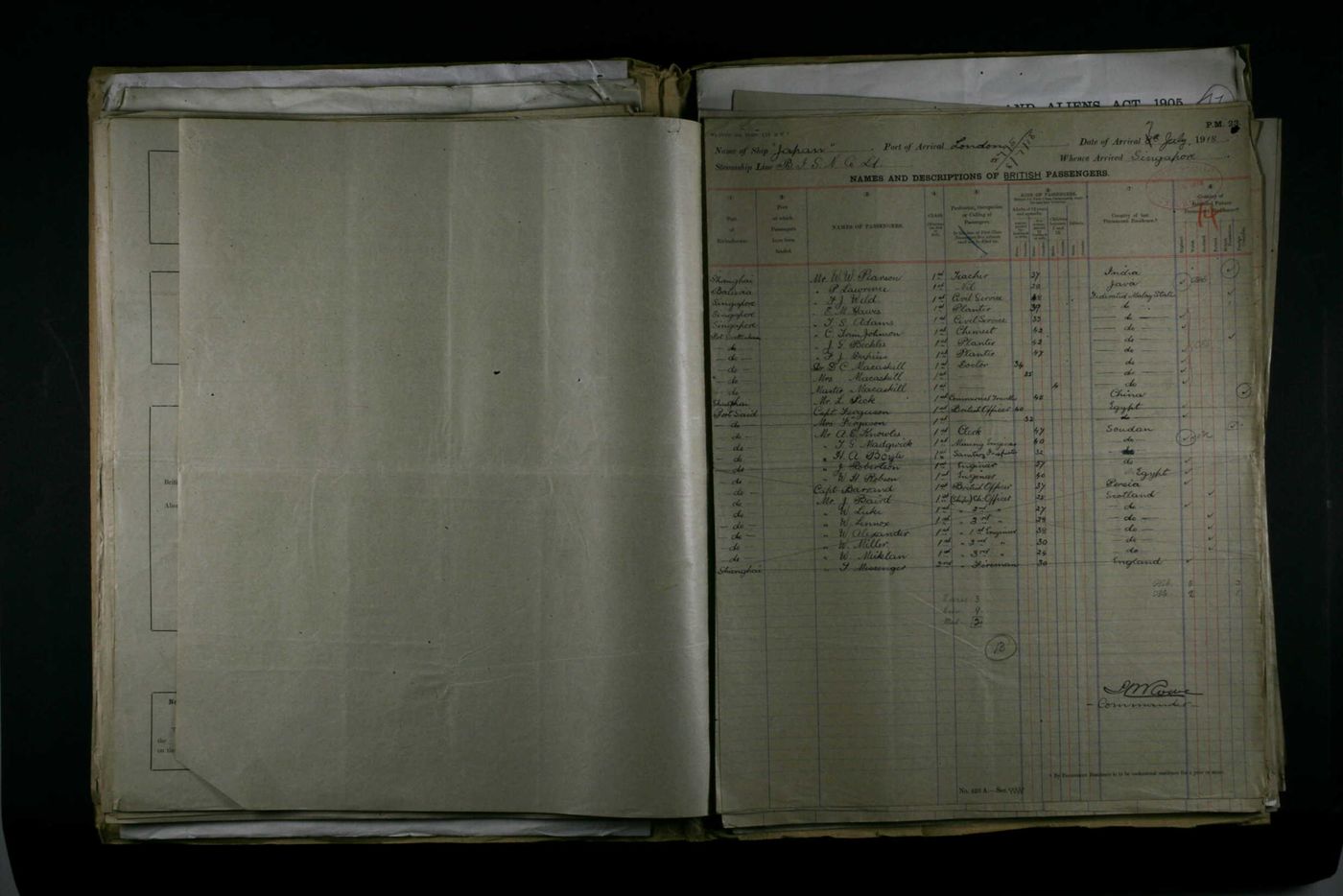
Record of Capt. Barrand’s trip to and from Singapore 1918.
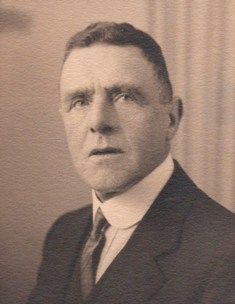
Photo of Oscar Alfred Barrand c 1940
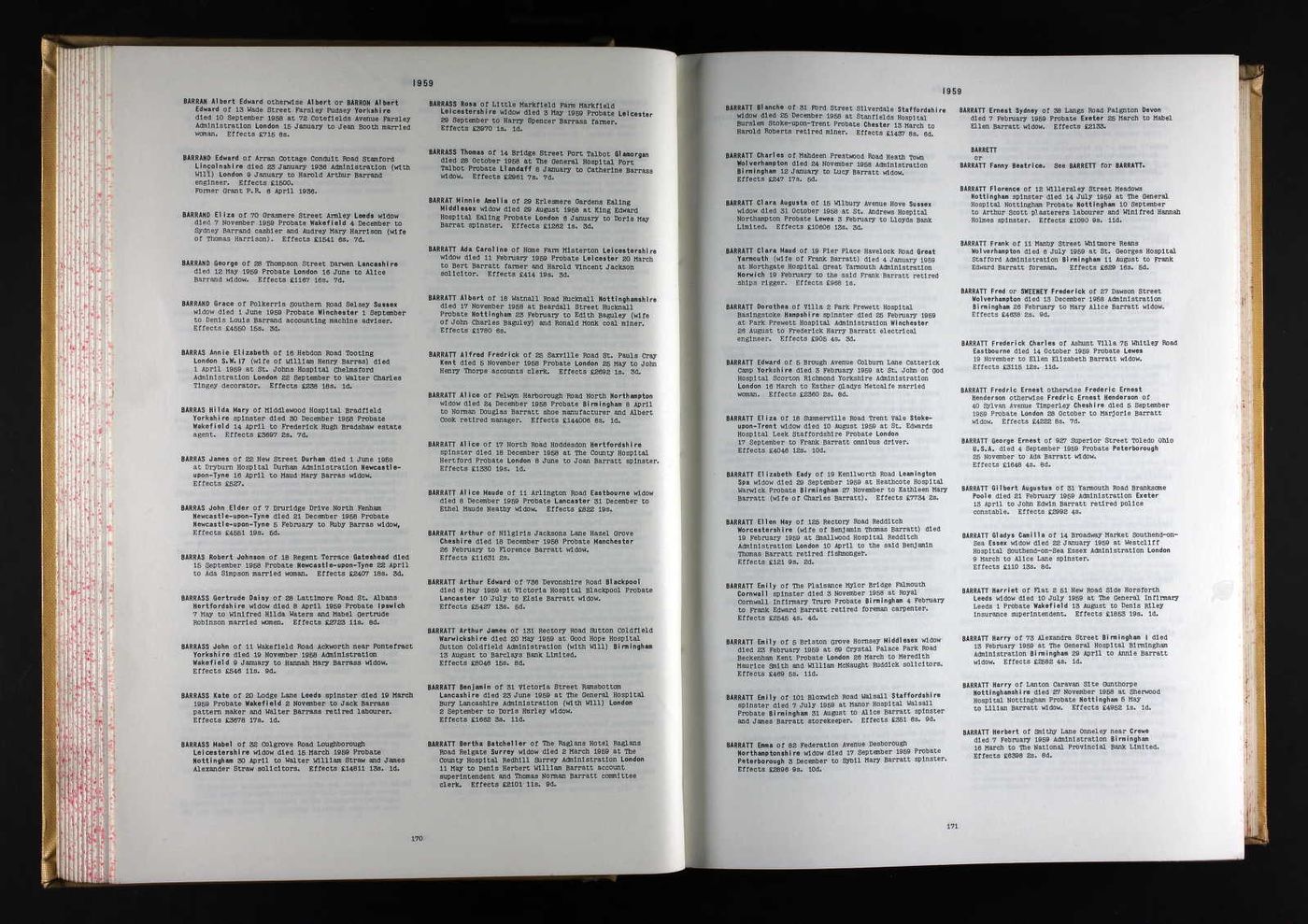
Will of Grace Barrand
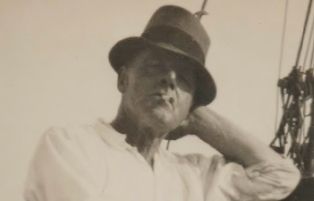
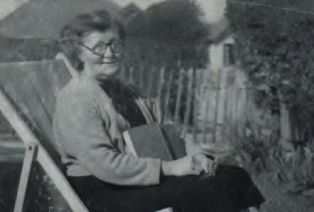
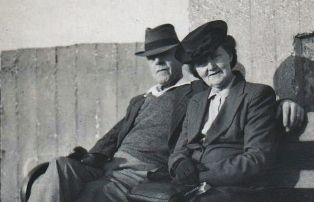
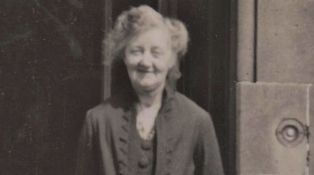
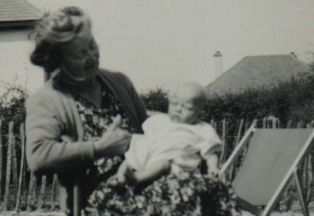
Grace Barrand and Peter 1948
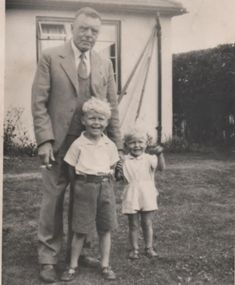
O.A. Barrand with Peter and Alan 1953