Elizabeth Mary was the 6th and last child of Oscar Alfred and Grace, and she was born on the 27th February, 1924 in West Ham, London. Birth Ref: West Ham 1924 - 2nd Qtr (4a - 590) As a child she was the only girl with 4 brothers. During holidays from school, Oscar Alfred (father) would take her sailing, as the boys were usually at a Boys’ Brigade camp or swimming. In 1932, when Oscar Alfred (father) was giving the lectures on Ships’ safety, Elizabeth was used to show the effect of life-buoys and life jackets by jumping or being thrown into swimming pools. She went to the local girls’ grammar school from the age of 11, but when she was aged 14, both her and her mother Grace joined Oscar Alfred in Uddingston near Glasgow where he had been posted in 1938 by the Admiralty. Elizabeth went to school in Uddingston for a further 3 years and during the war she went to Devon to train as a childrens’ nurse at the Norland College. The training lasted 2 years after which she returned to Glasgow and worked in a war day-nursery in the slums.
In 1946 after the war, Elizabeth returned to London but then worked as an “elite” nanny in Vienna and then in Lisbon in 1953/54. In 1955, she worked for a Donald Frank Rees who was an engineer, and who invented a unique tunnelling system. He hired Elizabeth Barrand but shortly afterwards however both his twins were diagnosed with cardiac defects, confirmed by Great Ormond Street Hospital. From Donald Rees’s memoirs he states “Sadly, I remember I had been making up a bonfire when from the window the nanny called to me to go up where I found that little Andrew had died in his sleep. Later we were told that had he lived, he probably would have been deaf and confined to a wheelchair.”
She became a Roman Catholic and further appointments in maternity and holiday reliefs followed until she joined a “lady in running a parish” with a private practise. Part of the work involved fostering boys from a North London orphanage from a Catholic background and this provided a regular income paid by the London Council. They managed to take in babies up to 6 months old as well as older children. This finally stopped as a result of new rules for fostering, and Elizabeth sold-up and moved to Frinton-On-Sea where she continued to rent out rooms in her home for staff of a small hotel for 6 years, and then in private work until she retired in 1985. For many years Elizabeth transcribed books into braille for the Library for the Blind, but this came to an end when computers became available to do the job in less time.
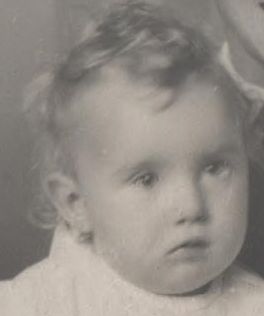
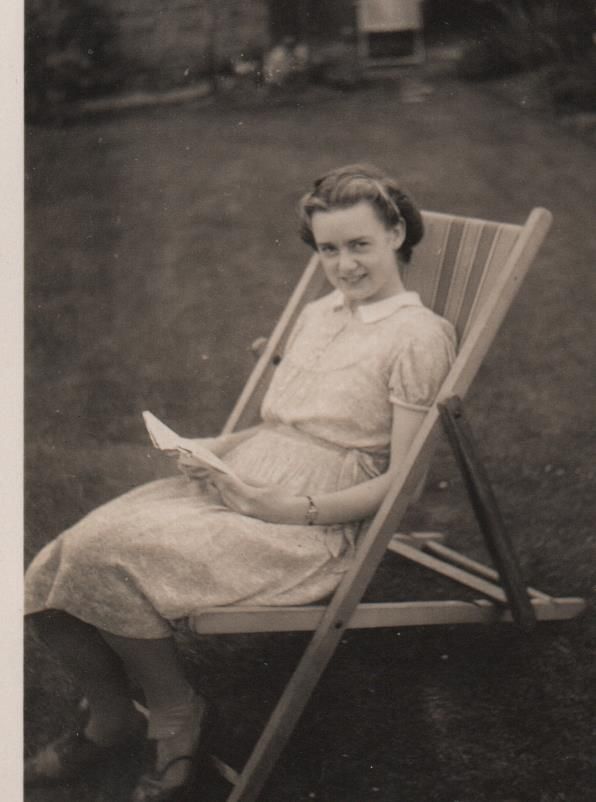
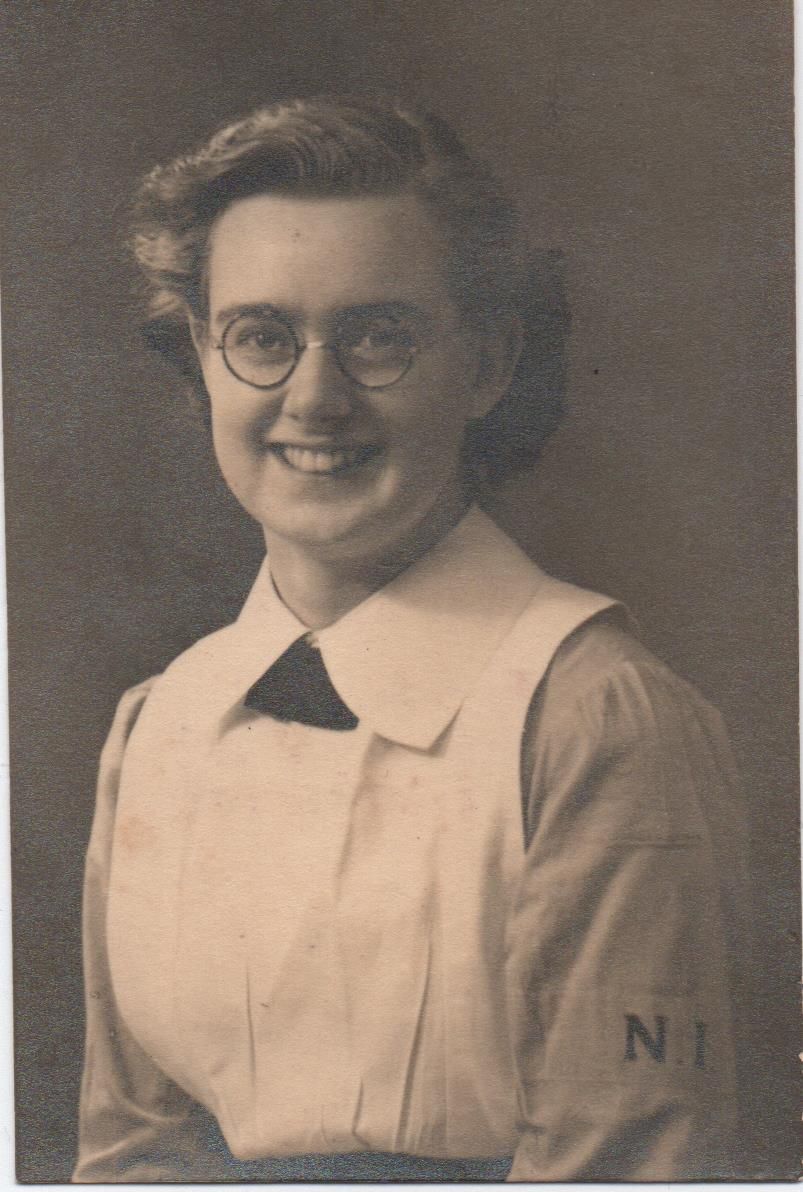
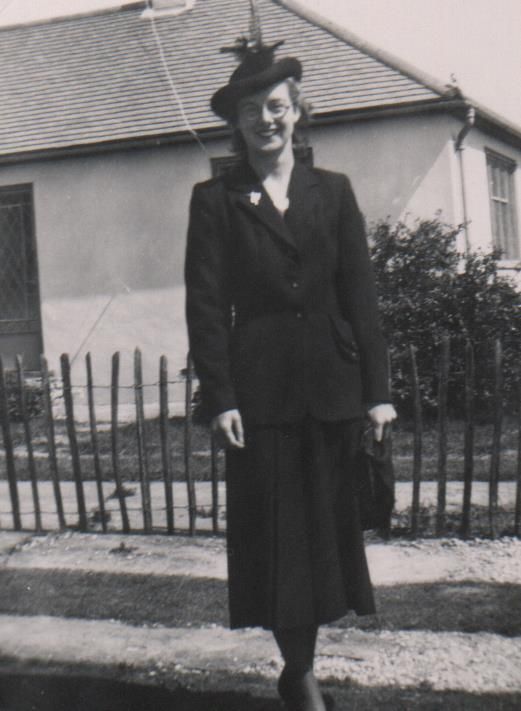
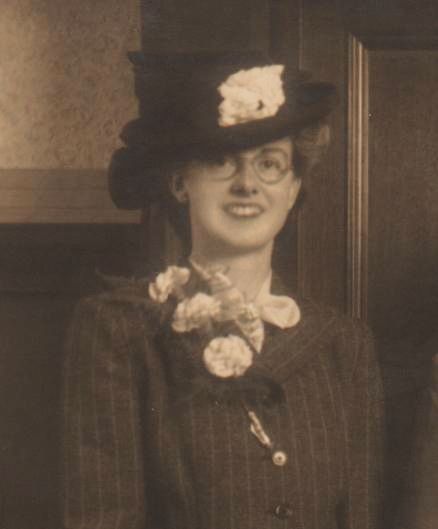
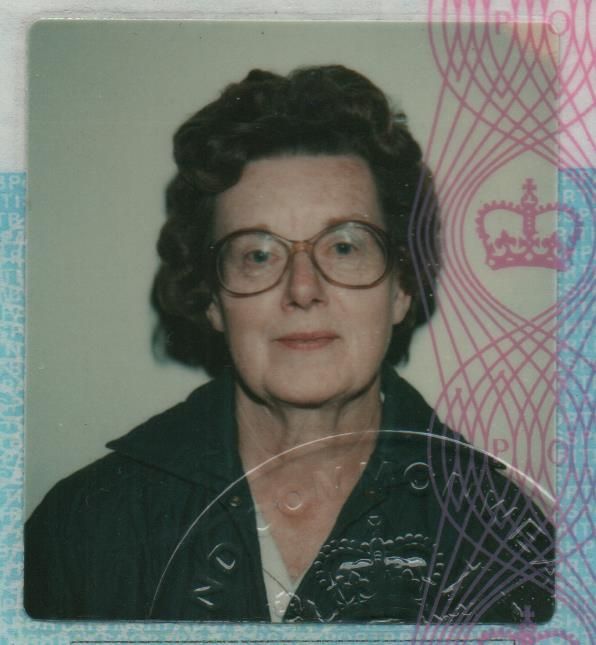
Elizabeth 1926 1939 1943 1944 1945 1984
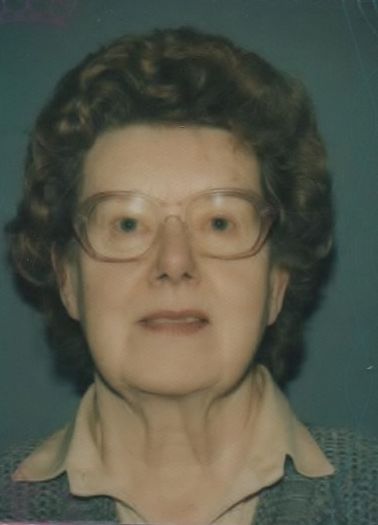
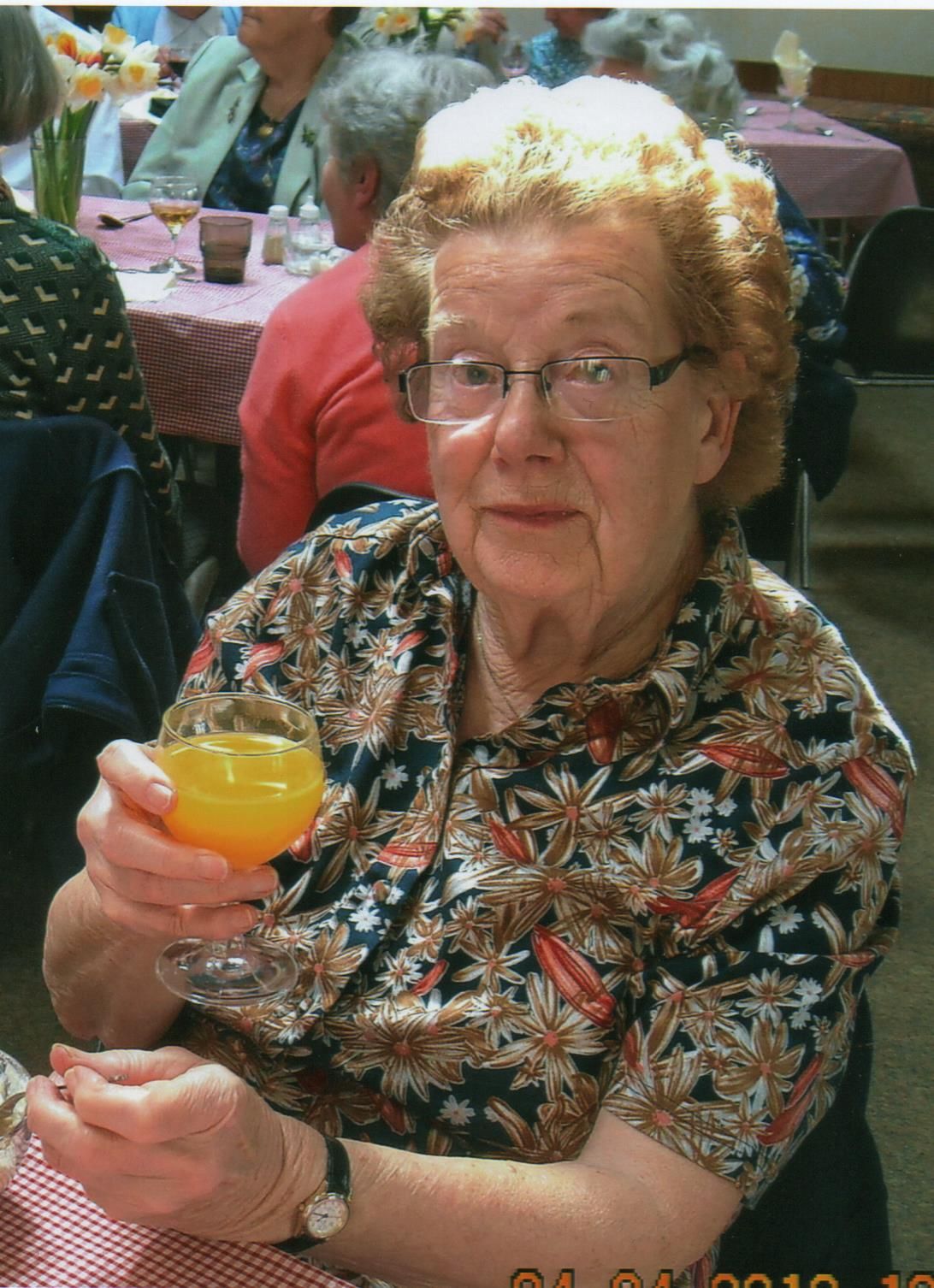
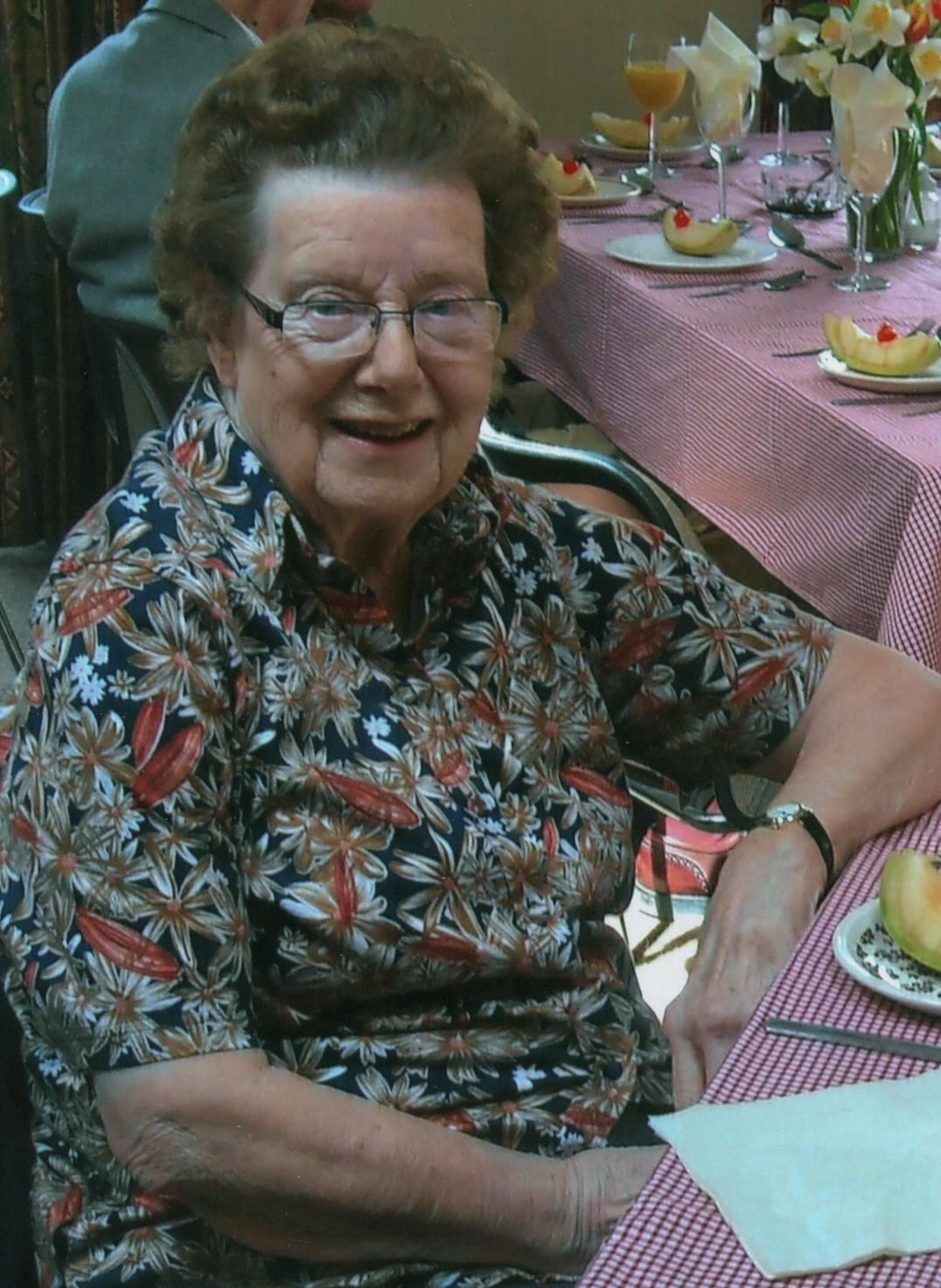
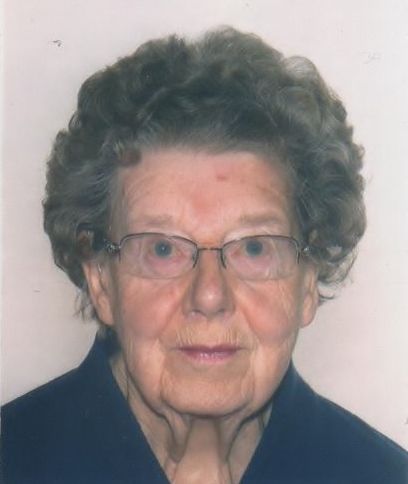
1994
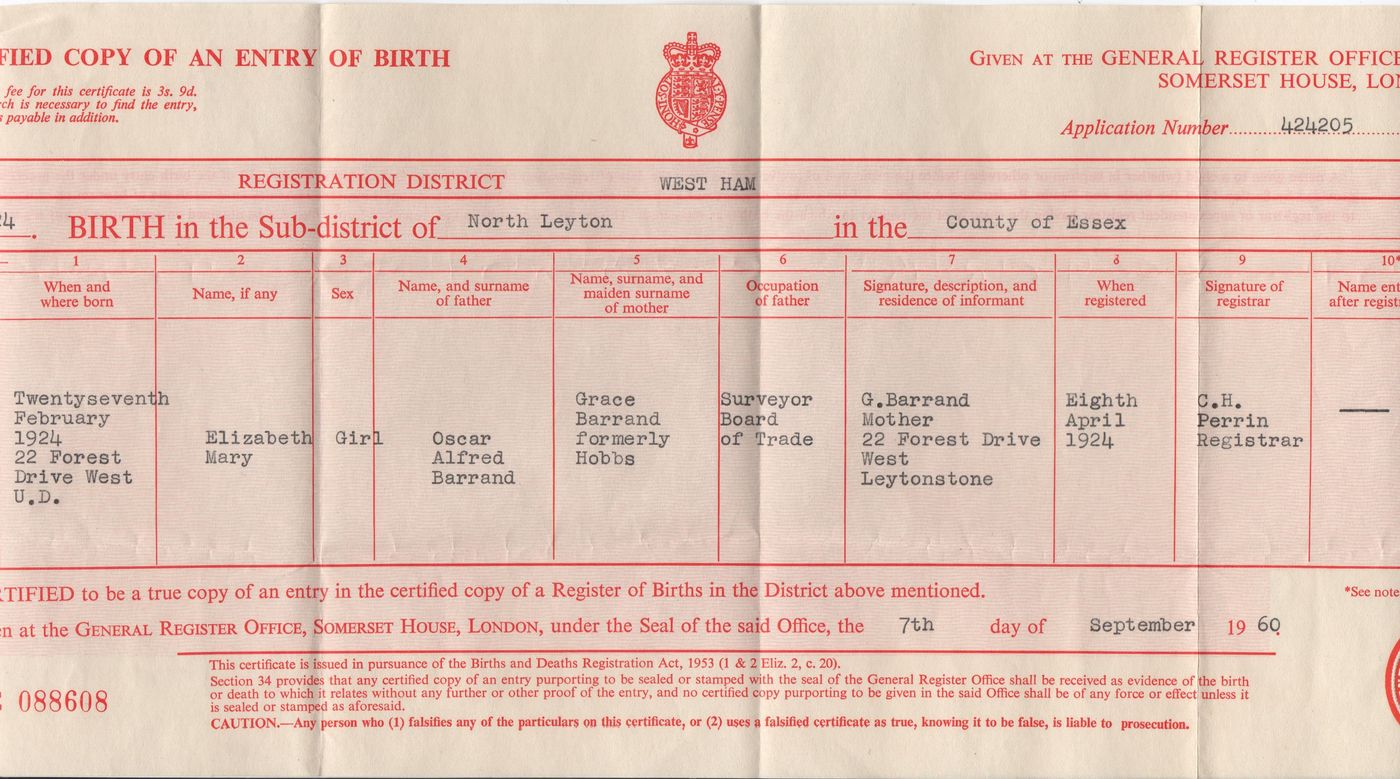
Birth Certificate Elizabeth Barrand
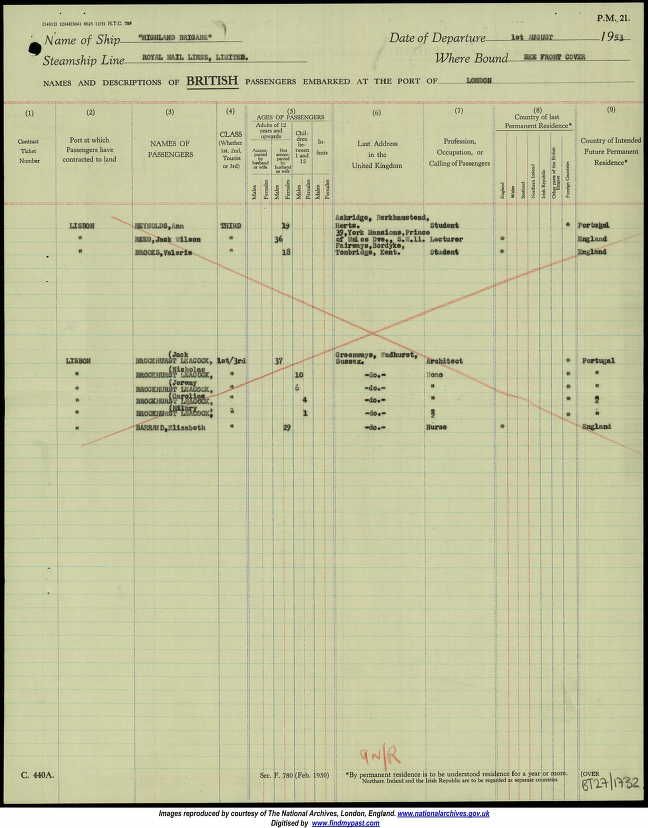
Travel documents of trip to Portugal 1953
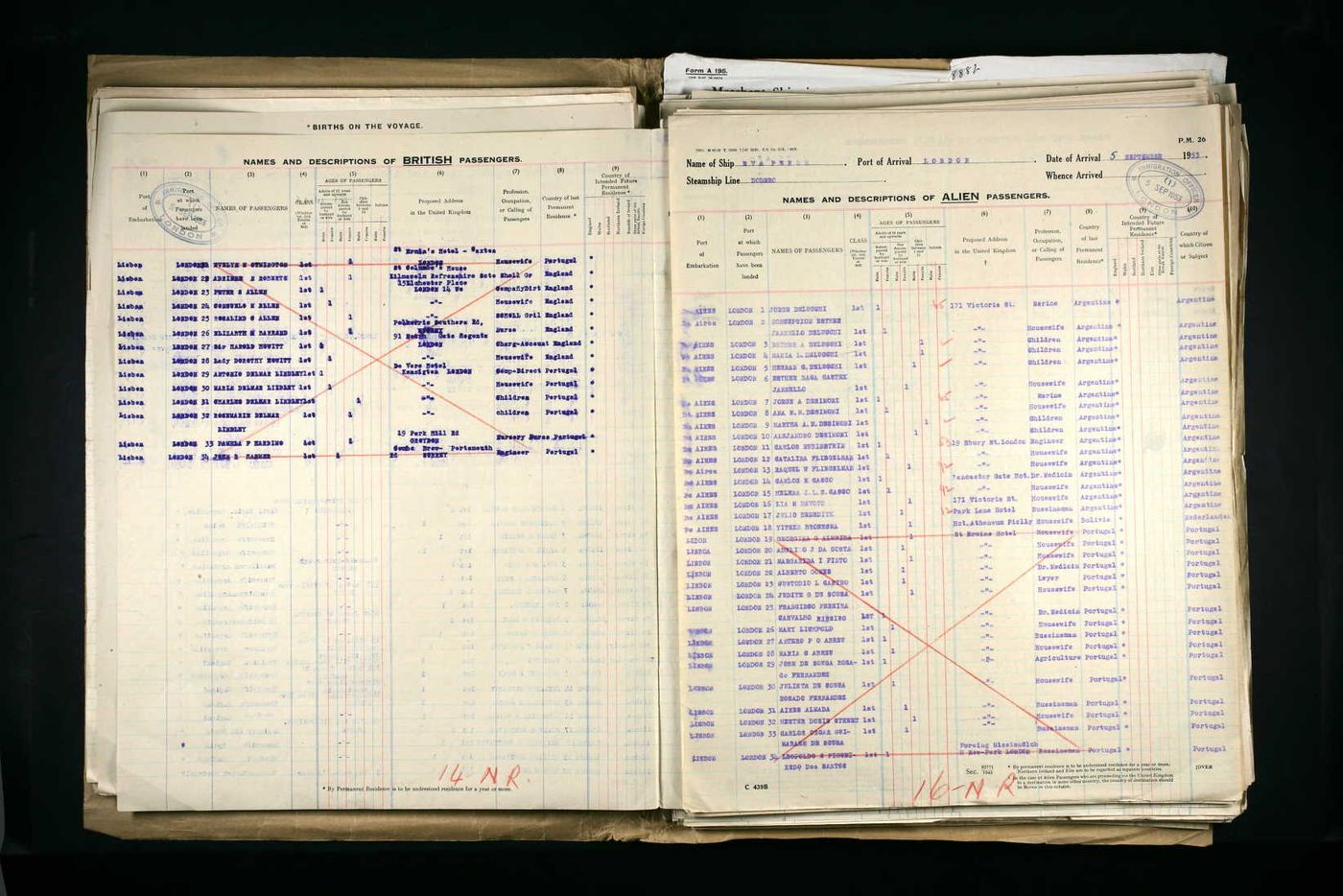
Travel documents of trip to Lisbon 1954
Boys’ Brigade
All the Barrand boys achieved the ultimate award, The King’s badge, and this is the only time in the history of the Boy’s Brigade that 4 brothers have gained this award.
Leytonstone, boys Brigade companies were based at Leytonstone Methodist Church in the High Road on the corner of Lister Road. They were called No: 1 and No: 6 South Essex Companies and they were famous for their silver band. The 6th was a very large brigade and they used to have parades after bible class and do many activities including week long camps on the Isle Of Wight.
In their time there were sessions of 'British Bulldog' played out on and over stacks of piled-up chairs which were highly dangerous and, if 'elf and safety' existed back then, they would have closed it down.
The church is still there but it is doubtful whether the BB is still there.
The President's Badge is a special award for which he must be specially recommended by his Company Captain after gaining a number of other awards, and highest of all, and greatly to be coveted, was the King’s Badge for Boys (now Queen’s badge) who have shown knowledge and understanding of The Boys' Brigade at every level, practical leadership in the Company, and who commit themselves to some service for others in the community.
So the final glory of a Senior Boy will be an immaculate turn-out of cap, belt and haversack, buttonhole badge of membership, and his hard-won badges on armlets worn thus:
Left Arm: top row: King’s Badge
Centre row: President's Badge
Bottom row: Gold Achievement Badge, Brigade Service Badge.
Right Arm: top row: Target Awards
Additional rows: specialized awards, worn in alphabetical order, not more than seven in a row.
Such a Boy, in full parade uniform, has made the most of his years and service in The Boys' Brigade.
There was a time when he would have been well aware of the weight of glory and responsibility, especially on his right arm.
Until recently, badges were made of frosty-silver nickel and each weighed 6 grams. Today, in high impact polystyrene they are brighter than ever, and much lighter at 2 grams apiece.
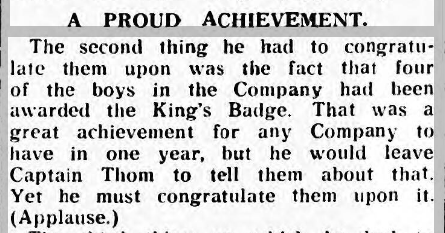
Kentish Times 20 August 1930